01
Prepare the powder
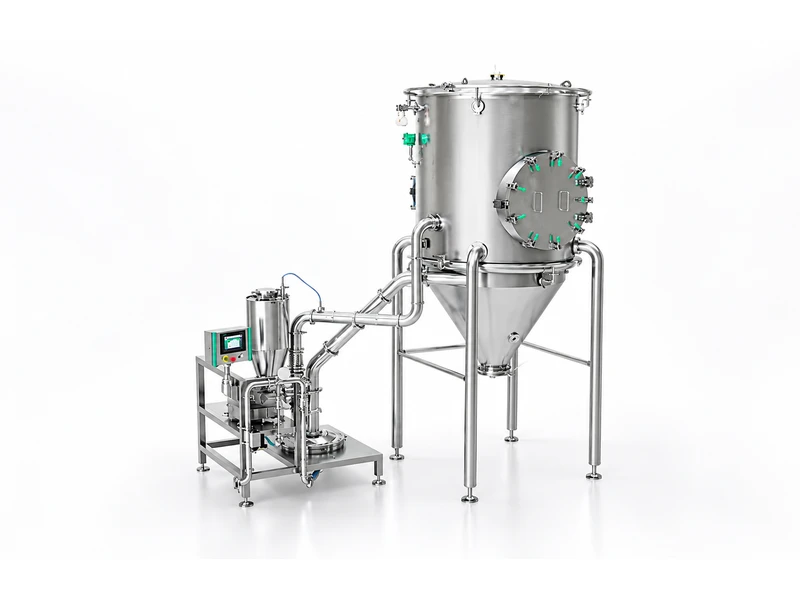
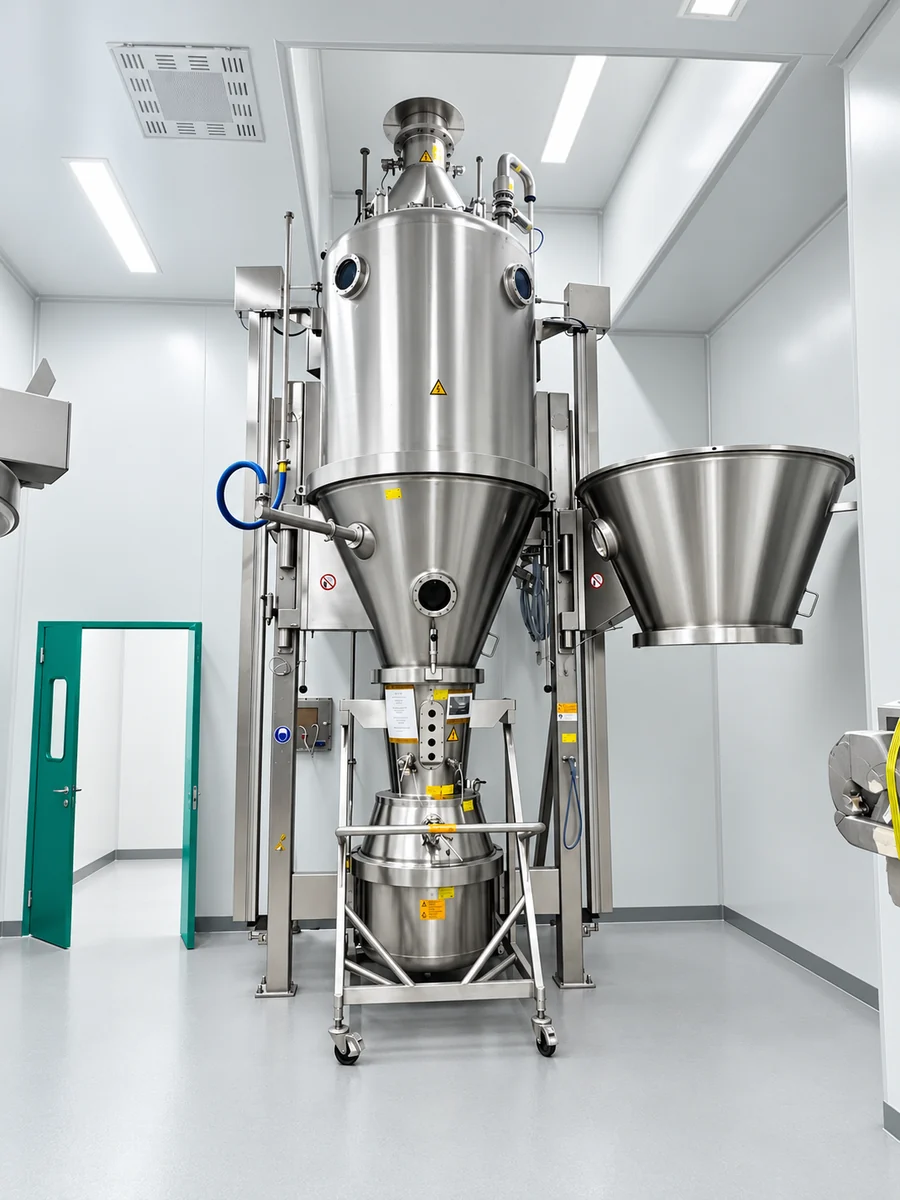
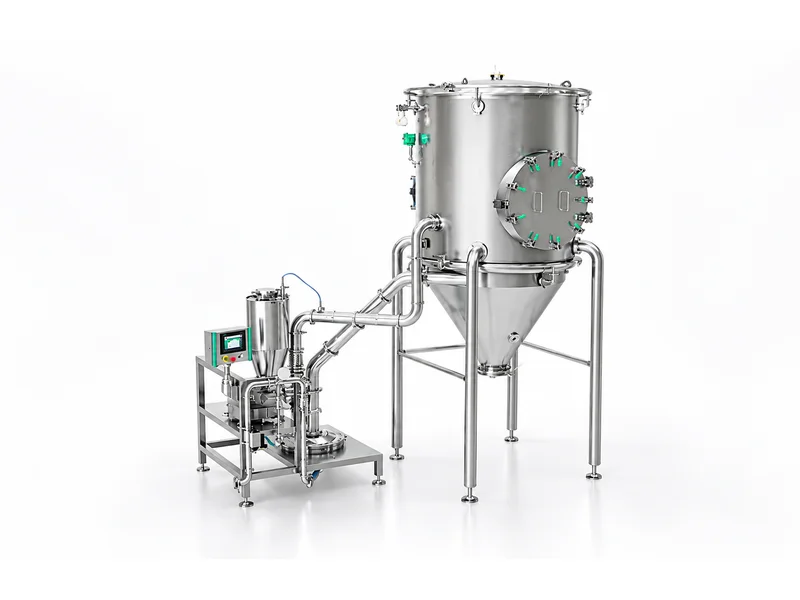
Use incoming particle-size and blend data to decide whether milling is in scope. Define contained transfer of the prepared powder to dosing.
Process expertise. Chinese manufacturing. Global perspective.

Production line
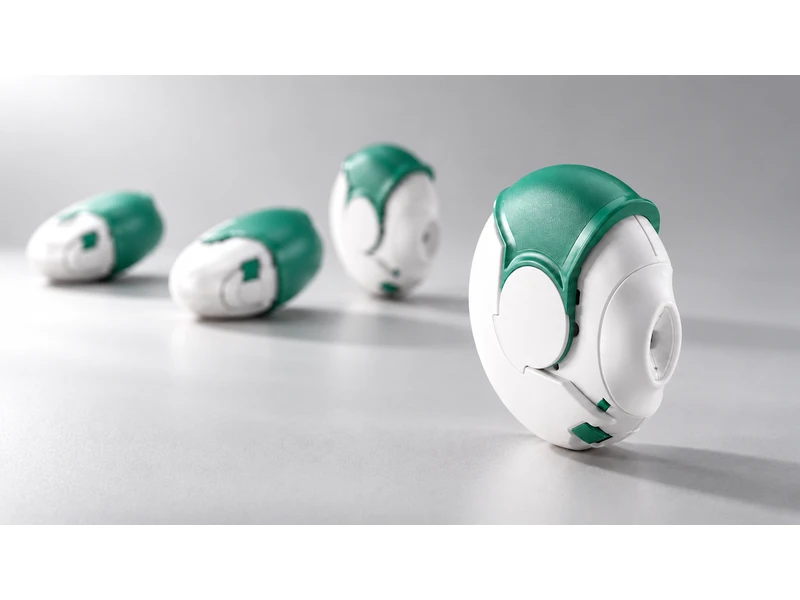
A DPI blister line meters dry powder into individual pockets, seals the dose web and prepares the strip or disc for the specified inhaler. The powder, blister barrier and device indexing mechanism determine the line together; ordinary tablet blister packing is a different loading operation.
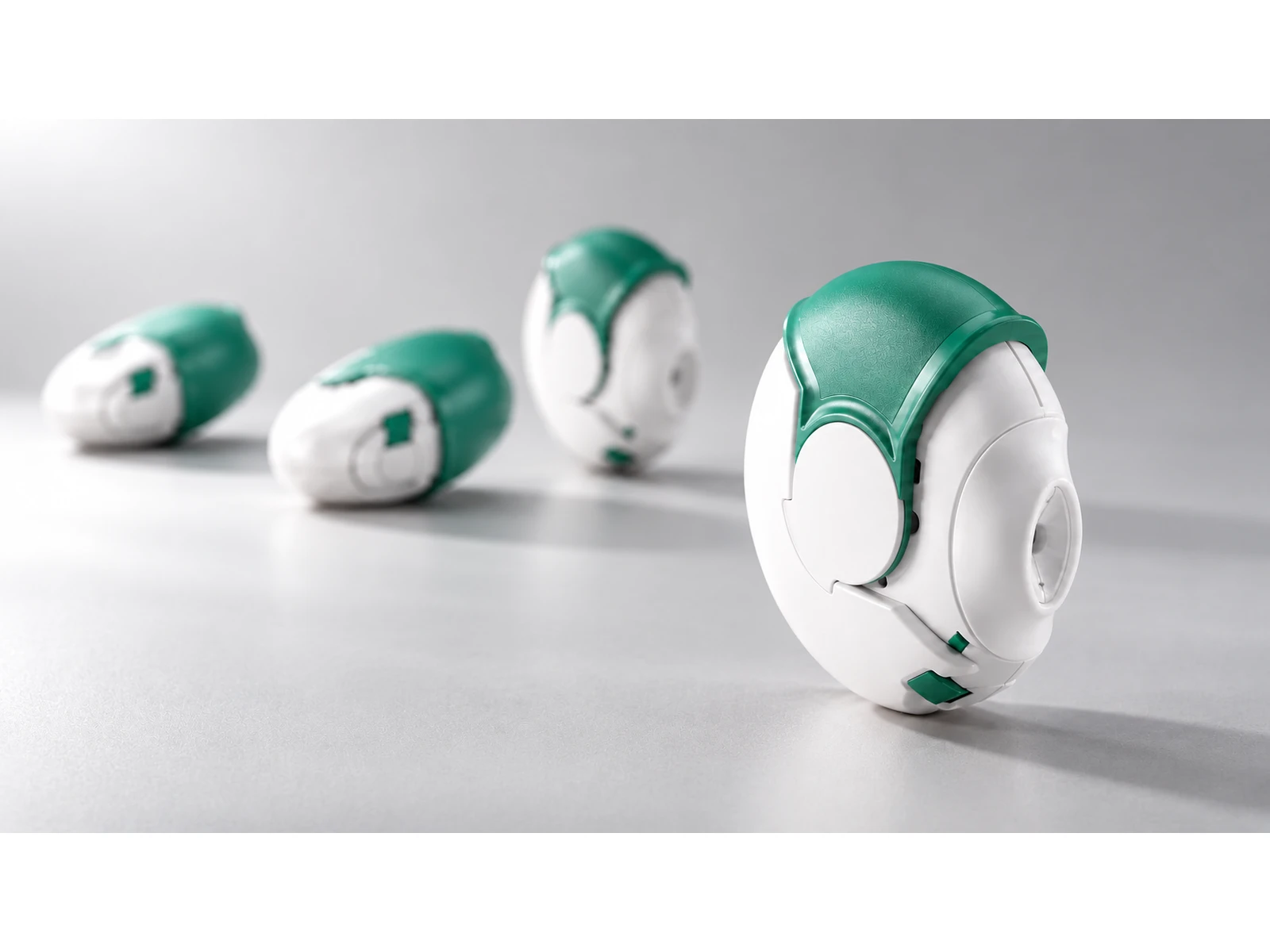
In a DPI blister presentation, powder is divided into pockets before the dose web is sealed and loaded into the inhaler. Pocket geometry and powder behaviour influence metering, while web pitch and winding direction govern how the device indexes each dose. Prepared powder can arrive from a separate process; micronization, blending and other conditioning operations are formulation-dependent rather than mandatory stages of every line.
Example project input
Allow extra web for threading, sealing checks and rejected pockets. Set the pocket count and coil diameter from the inhaler drawing.
30
Blister rolls for the assembly trial
60
Sealed dose pockets per roll
1,800
Filled pockets in accepted rolls
—
Process options
Decide whether the supplied assembly receives a complete strip, disk or individual sealed dose.
Use incoming particle-size and blend data to decide whether milling is in scope. Define contained transfer of the prepared powder to dosing.
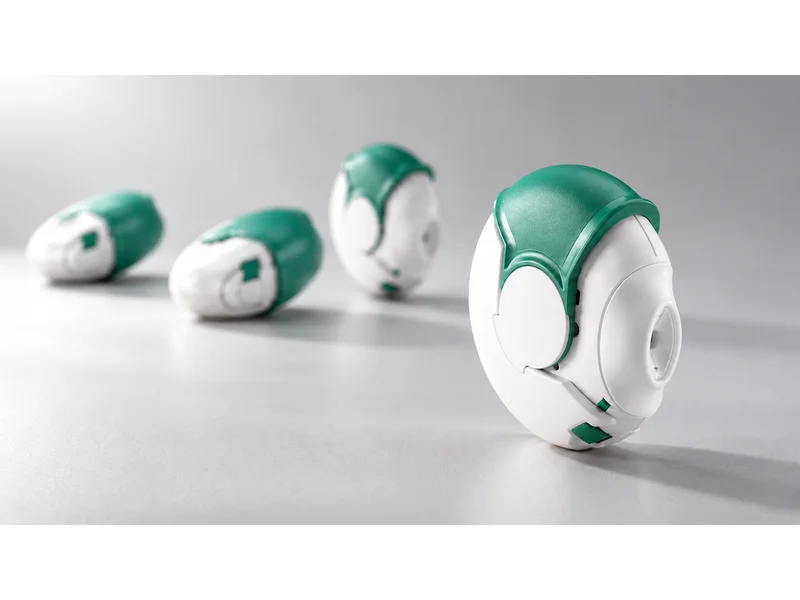
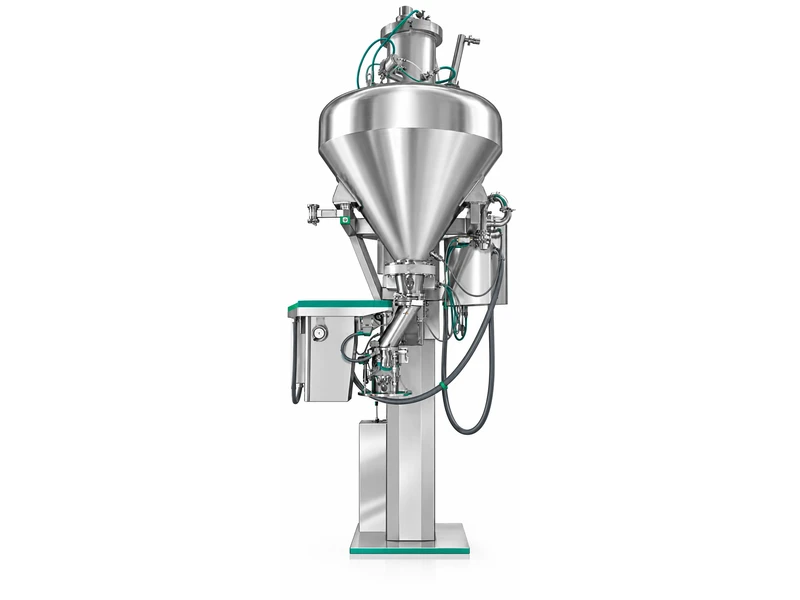
Match micro-dosing to powder flow and the formed pocket. Keep the seal area clean and identify defective pockets before rewinding.
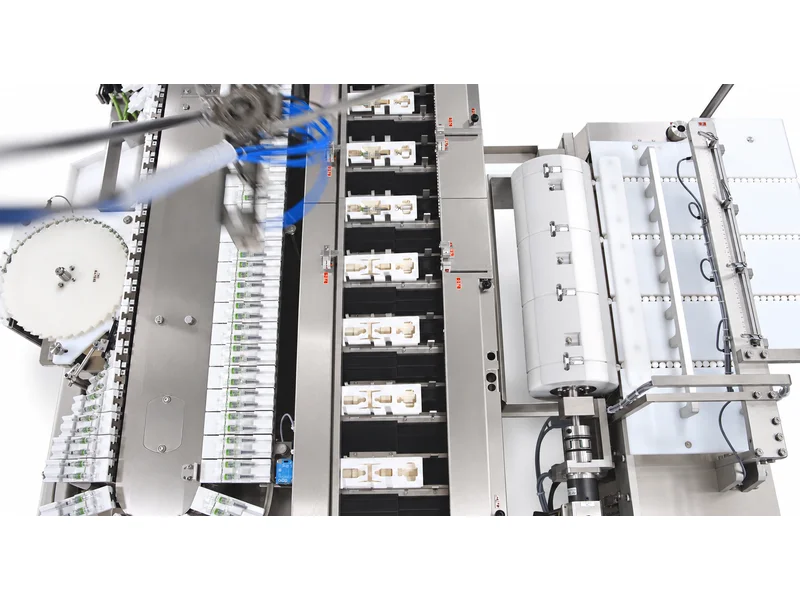
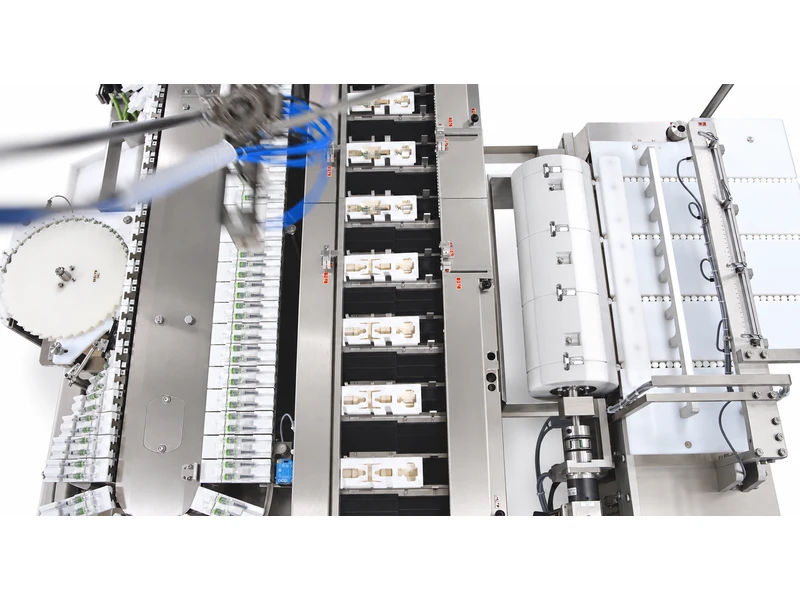
Wind the accepted strip to the device pitch and coil diameter. Check indexing in the assembled inhaler before releasing it to cartoning.
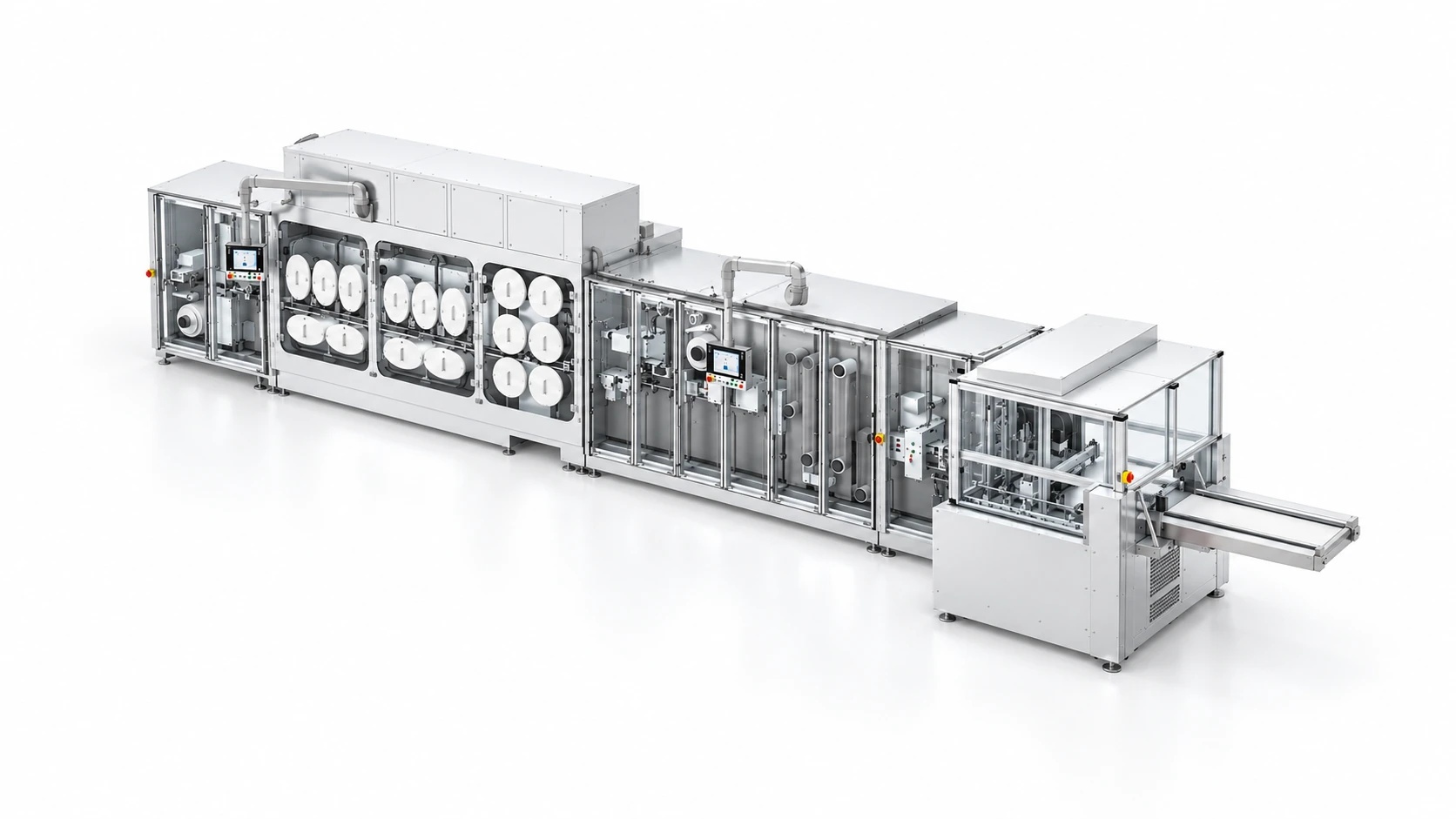
Integrated production · Process route
Explore the numbered process areas on this line.
Follow the single-dose blister web through contained processing, closing and pack discharge.
Select a numbered area to see the operation and related equipment.
Technology
Confirm the receiving hopper connection, cleaning access and how powder is released. Inspect retained material at the end of a run.
Explore equipment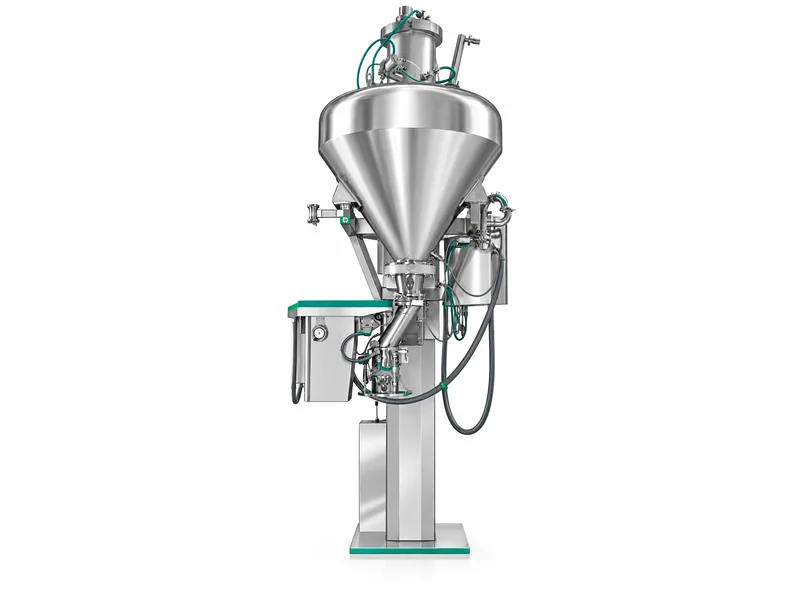
Technology
Select the powder dosing arrangement for the blend. Check individual pockets before sealing and examine the seal land for loose powder.
Explore equipment Powder deposited on the seal land can affect the next closing operation, so the filled web is an important observation point before lidding. Pocket identity then connects dosing and sealing results with cutting, rewinding and assembly. Fill mass or dose presence describes the manufactured pocket; emitted-dose performance belongs to assessment of the finished inhaler.

Inspect filled pockets before lidding during a controlled trial. Relate any deposits to the dosing position, then check sealed samples from those same web positions.
Load a trial coil into the intended inhaler fixture. Step it through known pocket positions and compare their alignment with the device indexing feature.
Define three handoffs: prepared powder to the dosing enclosure, accepted sealed web to strip or disc handling, and the loaded dose presentation to device assembly. Keep web pitch, winding direction, pocket identification and rejection logic consistent across those interfaces.
Agree the powder properties, blister material and dose pocket geometry before defining powder transfer.
Inspect the pocket fill and the sealed web before it enters the inhaler assembly operation.
Define how an accepted strip or disc is indexed into the device. Link the finished-device check to the corresponding pack.
Decide whether the supplied assembly receives a complete strip, disk or individual sealed dose.
Learn moreMatch dose indexing, seal inspection and the point where the blister becomes part of the device.
Learn moreIdentify the contact parts and format tooling for Blister Dry Powder Inhalation Lines. Agree access for cleaning, the spares to hold and the operating records the site will need.
Learn moreShare dosage form, starting material and finished presentation.
Request product information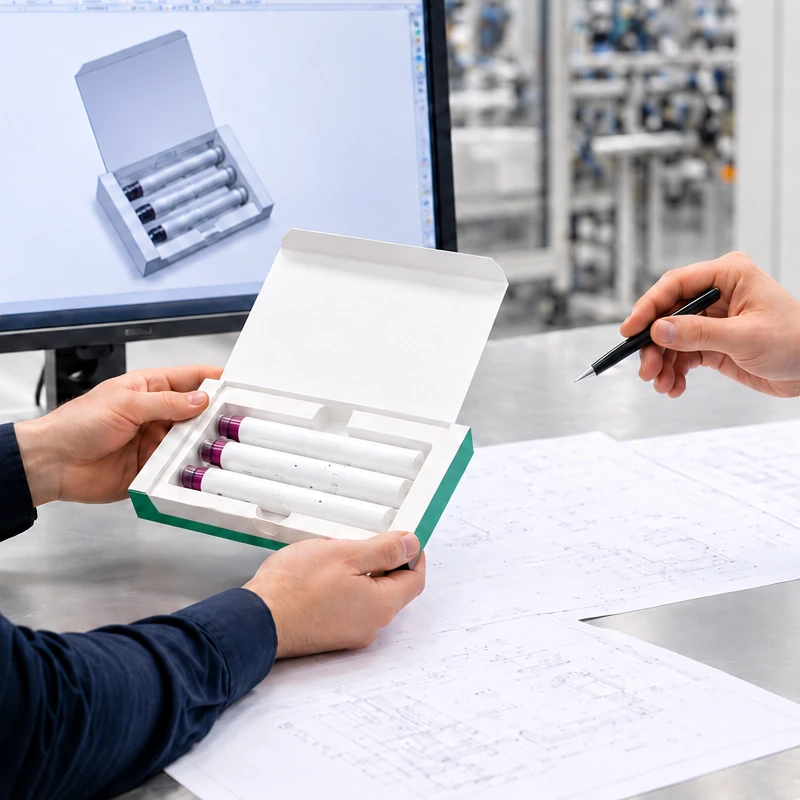
Brochure
Blister Dry Powder Inhalation Lines
Available by enquiry
Request product informationCase
Blister Dry Powder Inhalation Lines
Available by enquiry
Discuss project references2 resources
The DPI route meters powder into dose pockets; a tablet packer normally loads already formed units. Powder dosing, seal-land control and the downstream inhaler interface require their own assessment. A shared blister concept does not establish machine interchangeability.
Provide the target dose, blend properties, moisture sensitivity, handling limits and representative material. Evaluate powder behaviour during refill, dosing and transfer, and agree the measurement method. Fill-mass consistency and inhaler aerosol performance are separate acceptance questions.
Specify whether assembly receives a strip, coil, disc or another sealed format. Agree pitch, orientation, winding direction, splice handling and the way rejected pockets are removed or identified. Test indexing with the intended device components.
Only if micronization is required by the formulation and included in the agreed project boundary. The filler can instead receive a prepared blend. Powder processing and device-performance development should not be inferred from the presence of a mill in an equipment catalogue.