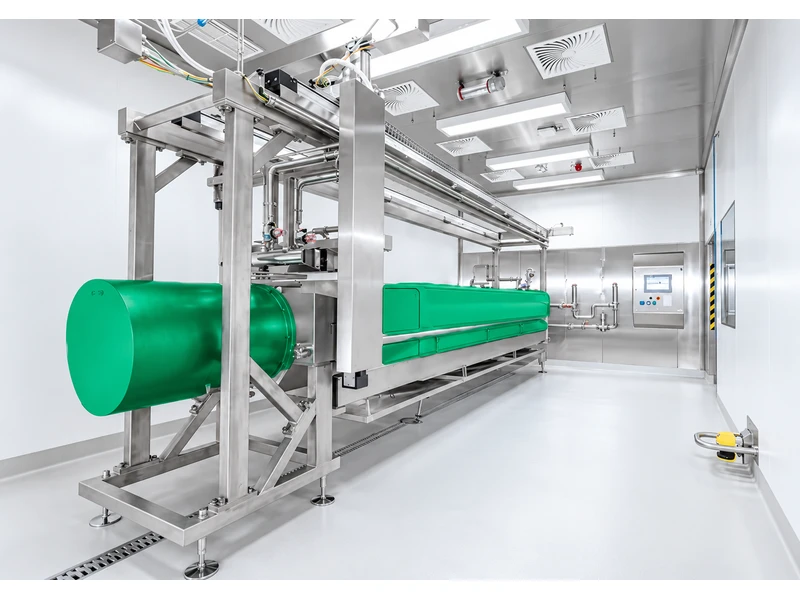
Layout and demand review
Combine the actual pipe route with use-point draws, required temperatures and storage conditions. Identify branch and return boundaries before choosing components.
Learn moreProcess expertise. Chinese manufacturing. Global perspective.

Equipment & technology
A pharmaceutical water distribution loop delivers the specified water grade from storage to process users and returns circulating flow. Pipe routing, use-point branches and sanitization arrangements determine how the required supply condition is maintained as demand changes.
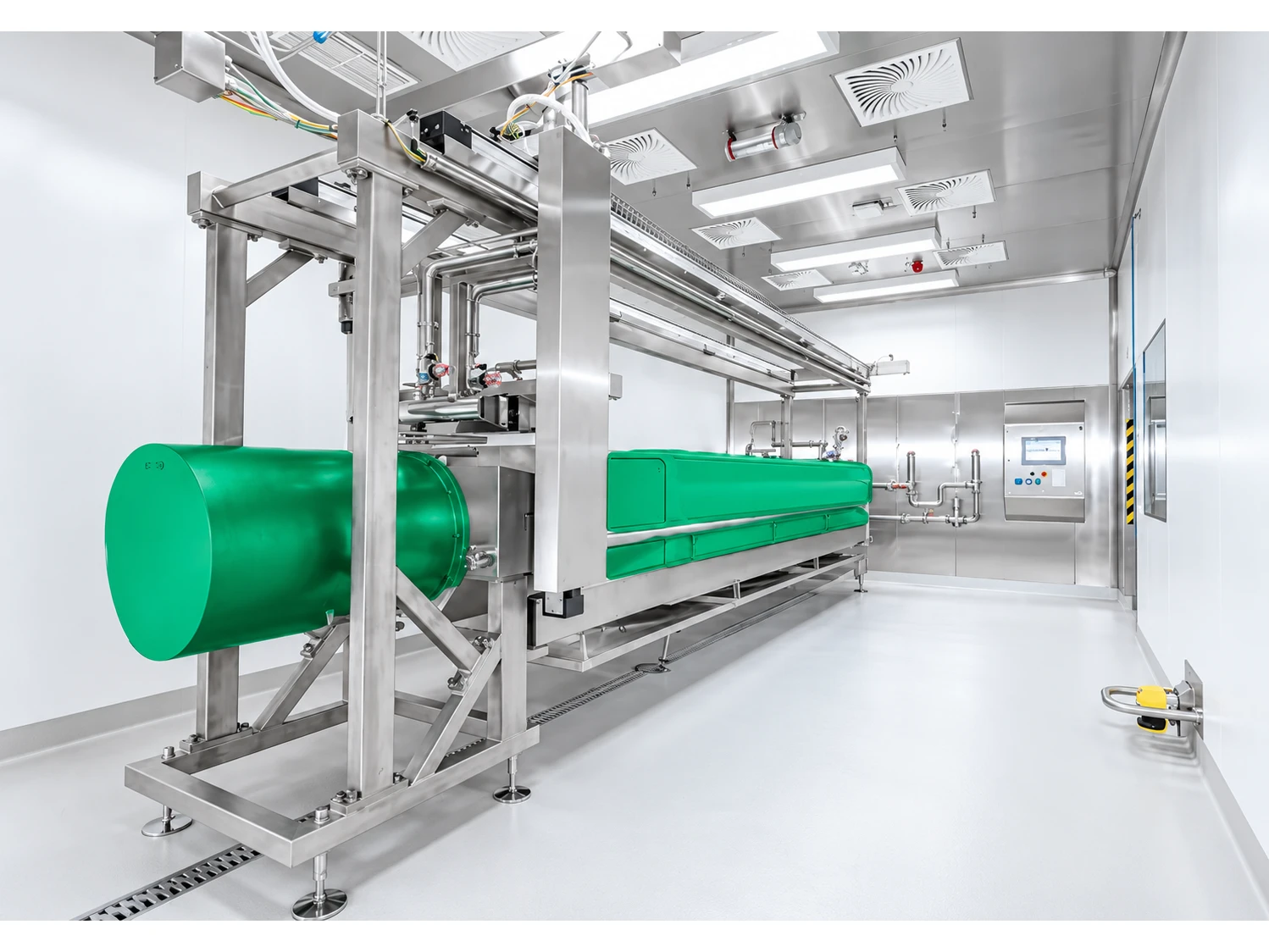
Water leaving a generator still has to pass through storage, piping and use-point connections before it reaches the process. A loop provides a defined circulation path, but branches, valves and periods of low demand can create conditions that differ from the main return. The design must address those local conditions as well as the normal flow through the loop.
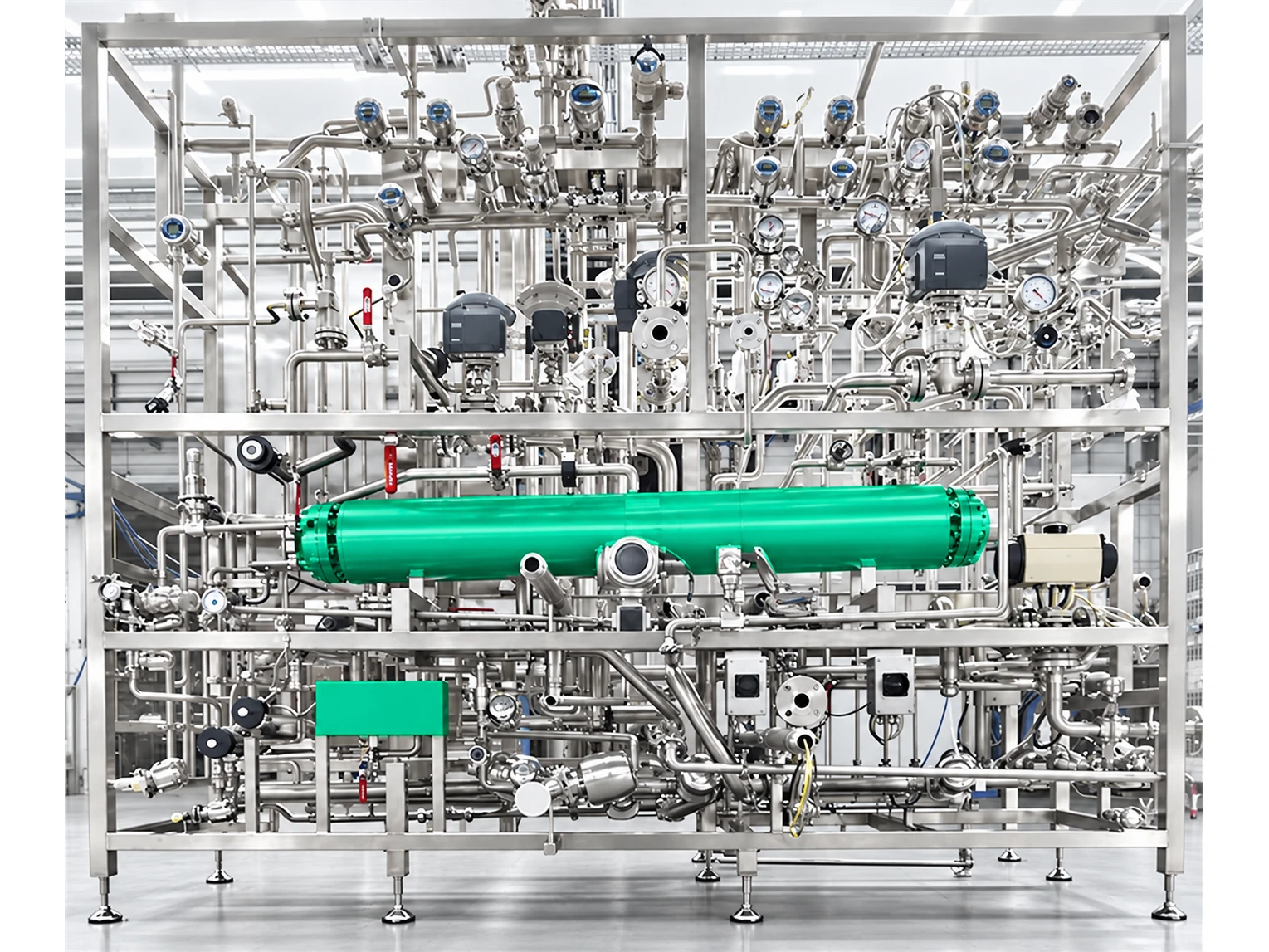
Example project input
Add the specified return flow separately when sizing the distribution pump. Include the coincident draw schedule and the return condition with the layout.
3
Use points drawing simultaneously
4 L/min
Draw at each use point
12 L/min
Combined point-of-use demand
—
Process options
The loop connects several users without treating each draw as an isolated supply. Its operating strategy coordinates storage level, circulating flow, delivery pressure and the temperature required by the users. Sampling and sanitization cover the connected route so a satisfactory generator result is not mistaken for evidence at every outlet.
Supply and return piping, hygienic connections and use-point assemblies establish the flow path. Branch lengths, drainability and the position of valves or heat exchangers affect areas that may be harder to circulate, sanitize or sample.
Hot circulation, cooler use points and other operating strategies require compatible temperature control and sanitization arrangements. Where storage is included in the package, tank venting, level control and return entry also belong to the boundary. No circulation velocity by itself guarantees removal of every biofilm risk.
The pipe layout and the coincident draw schedule establish the distribution duty. Review return conditions and sanitization coverage at the same time as pressure and flow at the users.
| Project input | What to record and why |
|---|---|
| Point-of-use schedule | List flow, duration, timing and required temperature at each outlet. Assess the credible simultaneous draws and the return flow needed during those conditions. |
| Pipe run | Mark supply and return routes, elevations, branches, drains and point-of-use assemblies. Evaluate pressure loss, accessibility and locations that may be difficult to drain or sanitize. |
| Return condition | Define the flow, temperature and quality conditions to be monitored at the return. Interpret them with the supply and use-point measurements rather than as a substitute for every outlet sample. |
| Sampling and sanitisation | Locate representative samples and the parts of the system covered by each sanitization stage. Include the checks needed before the loop returns to routine use. |

The available supply divides between the users and the return. Assess the combined draw with the pump, storage condition and pressure losses, then confirm that the required return and user conditions remain achievable in that operating state.
Identify dead-ended or intermittently used connections and the position of valves and heat exchangers. Verify that the selected sanitization sequence reaches the intended surfaces and that the system can drain or return to service under defined conditions.
Upstream generation supplies storage under its own release and diversion rules. The loop supplies each process connection and returns circulating water; product equipment has a separate downstream cleaning or processing duty. Assign responsibility for the use-point assembly, samples, drain connection and any cooling required at that handoff.
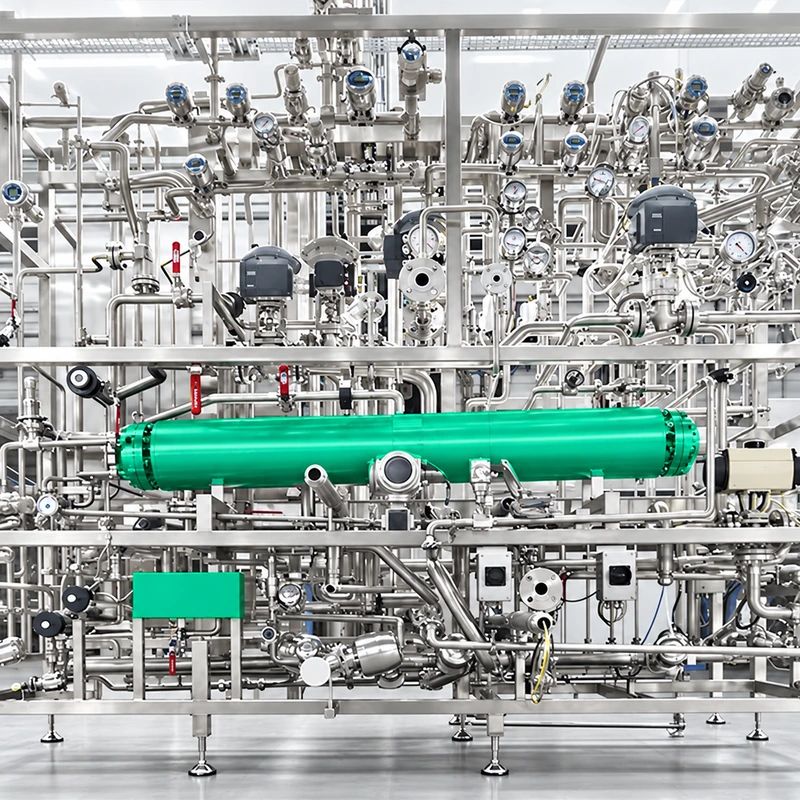
Combine the actual pipe route with use-point draws, required temperatures and storage conditions. Identify branch and return boundaries before choosing components.
Learn moreAssess the selected circulation and sanitization strategy at representative and difficult locations. Record the user and return conditions during credible simultaneous demand.
Learn moreDocument sampling, sanitization and return-to-service checks. Keep as-built routing, weld or material records and the change procedure for added use points available to the site.
Learn moreShare point-of-use schedule, pipe run and return condition.
Request product information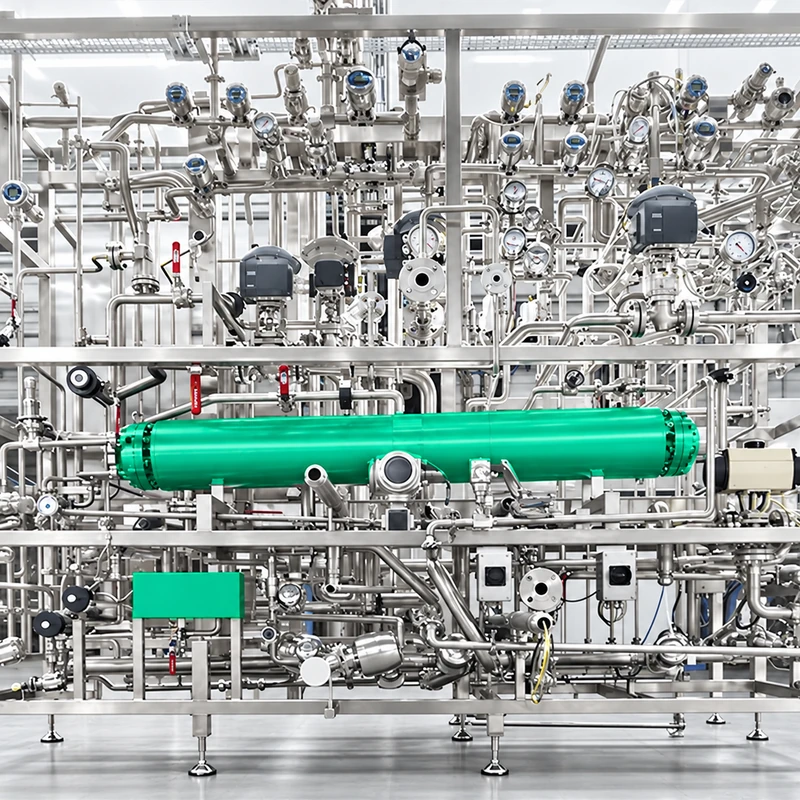
2 resources
No. Circulation is part of the operating strategy. Hygienic design, sanitization, monitoring and control of the connected system are required to maintain the specified condition; no flow value alone proves sterility.
No. Storage and distribution can affect the quality delivered to users. Their design, operating state and sampling evidence need separate assessment even when the generated water is suitable.
It changes local geometry and the demand profile. Evaluate pressure loss, return flow, sanitization coverage and sampling as well as the new connection itself.
Both contribute, along with the generation recovery rate and coincident draws. Usable stored volume supports demand over time, while the circulation and delivery system must meet the required conditions at the users.
Provide the use-point schedule, pipe layout, required water grade and user temperatures. Include storage and generation interfaces, simultaneous demand and the planned sanitization method so the full supply and return boundary can be reviewed.
Discuss your project