Skip to content

Process expertise. Chinese manufacturing. Global perspective.

PREASYS

Equipment & technology

High-Speed Osmotic Pump Tablet Laser Drilling Machine

A tablet laser drilling machine forms the specified delivery opening in a coated osmotic tablet. Product orientation, coating condition and the controlled laser action determine where the opening is formed; inspection must distinguish an acceptable aperture from a misplaced, incomplete or damaged one.

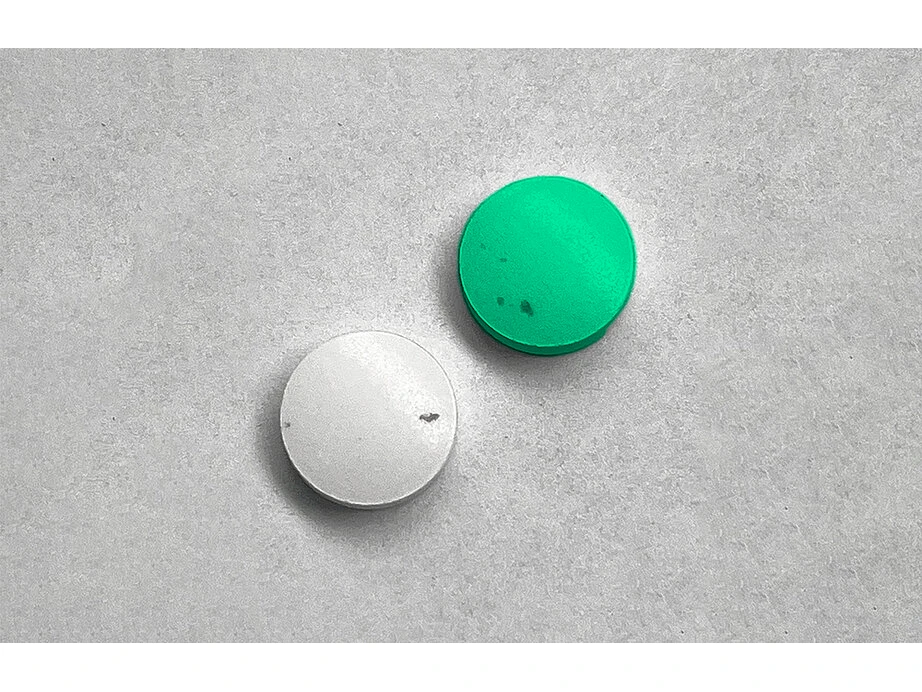
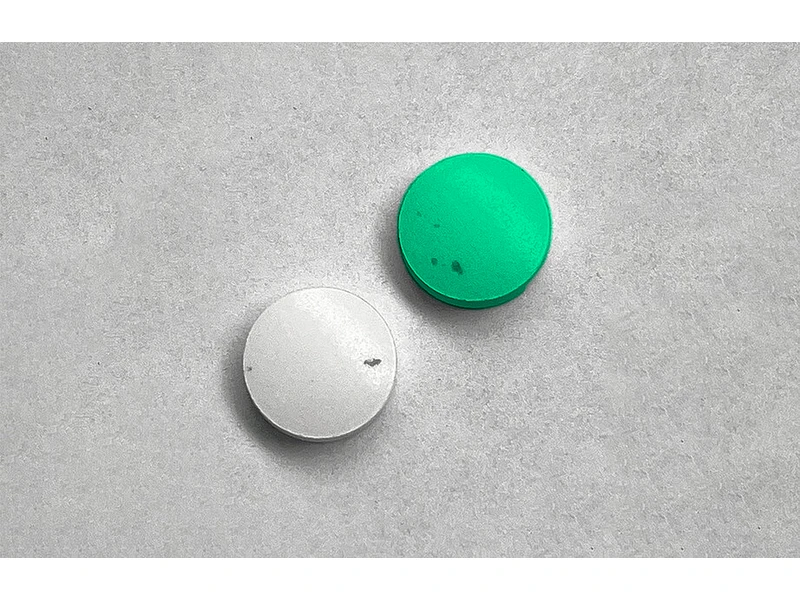
Two round tablets with different surface finishes
Process context · Two round tablets with different surface finishes

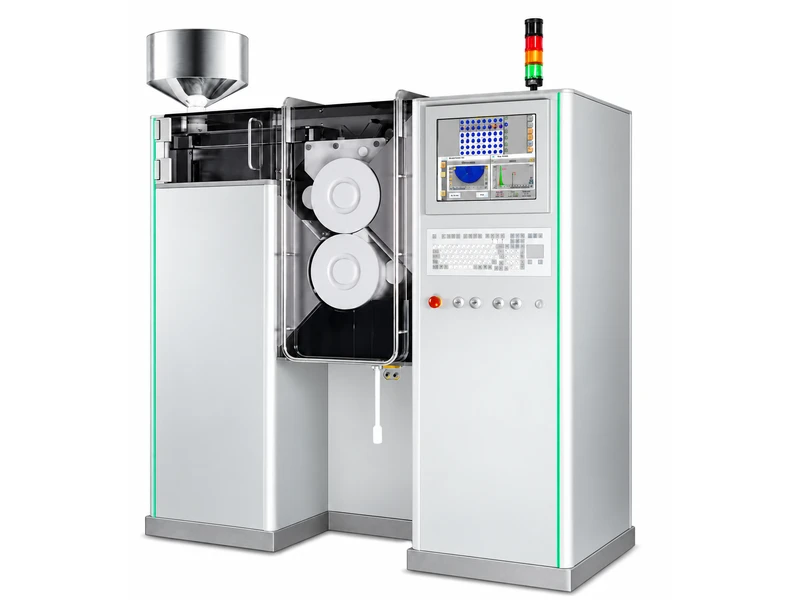
Laser Drilling Machine

Tablet Laser Drilling

Process configuration and verification
Process decision Drilling setup Verification
Aperture requirement Define the coated-tablet orientation, hole location and required opening. Assess the opening using the agreed dimensional and functional criteria.
Laser and exposure Select the laser and settings for the coating and underlying formulation. Check aperture formation and unwanted effects on representative tablets.
Handling and observation Support and orient the tablet, then inspect the drilled region. Verify orientation, missed drilling and the accepted/rejected destinations.
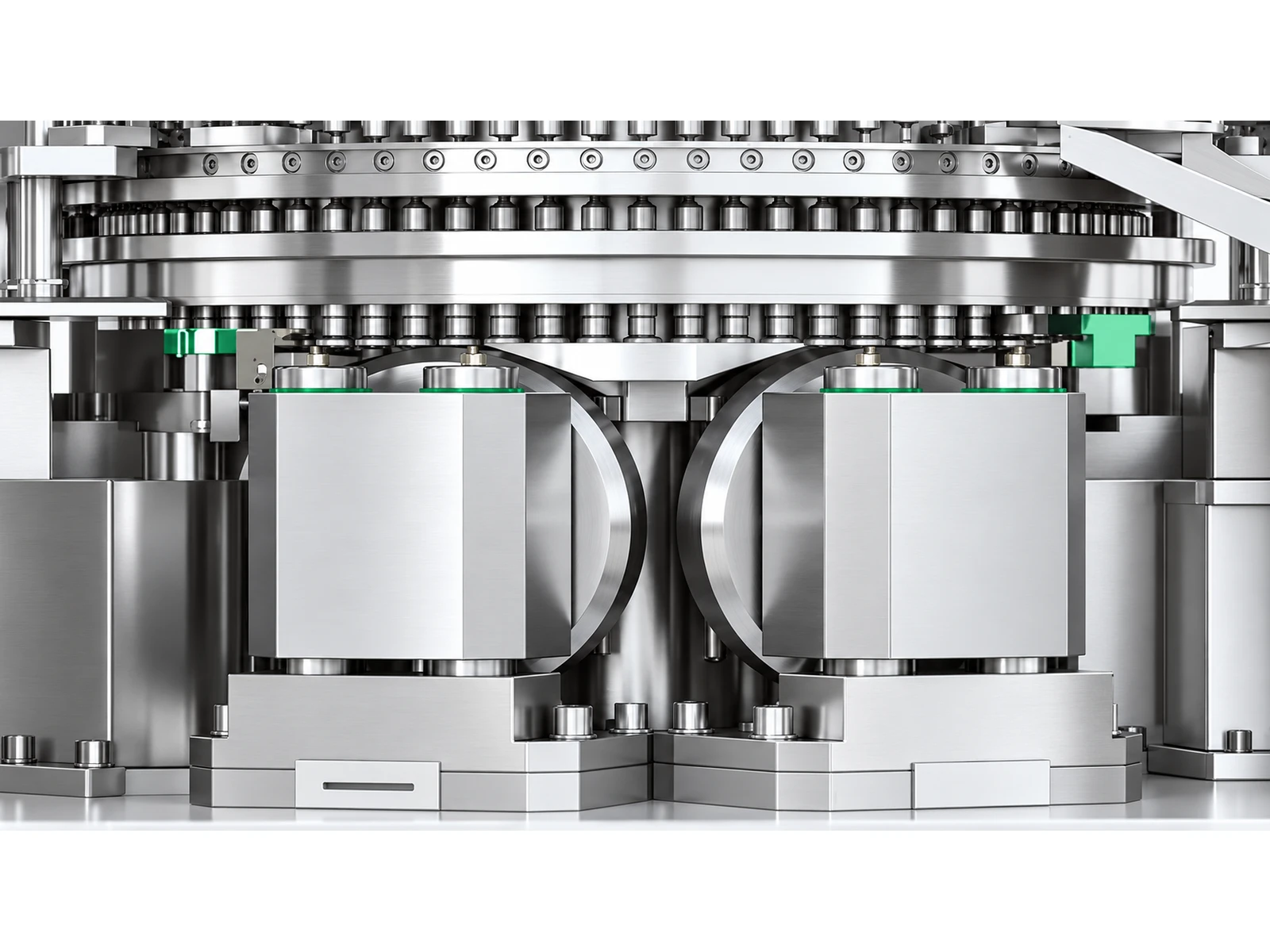
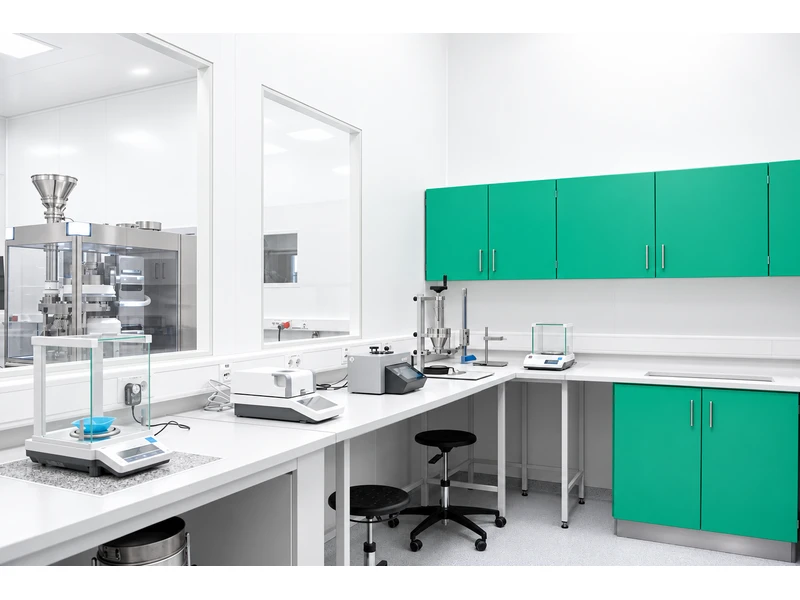
Upper and lower punch tooling around a tablet press turret
Process context · Upper and lower punch tooling around a tablet press turret

Laser drilling creates a functional opening in the coated tablet according to the product design. The required diameter, location and number of openings come from the formulation and release specification.

Tablet orientation places the intended face under the laser. For a multilayer core, the relevant face must be identified before drilling; detection and rejection of an incorrectly presented unit are part of that configured handling sequence.

Development trials establish the aperture process on representative coated tablets before production settings are selected. A manually loaded development fixture and a production transport are different configurations.

Functional aperture formation in coated tablets

Review the specified tablet aperture, coating response and orientation before selecting the drilling configuration.

Read more

Functional tablet apertures require dedicated orientation, drilling and inspection

A surface logo and a delivery aperture are not interchangeable. Hole geometry is one part of an osmotic product design; the formulation, coating and release test together determine whether the drilled tablet meets its requirements.

Define the drilled aperture

Drilling quality includes where the passage is formed and how the coating responds to laser exposure.

Location

Register the aperture to the oriented tablet

Opening

Evaluate passage geometry and surrounding coating

Process challenges

The drilling target is a functional hole, not product identification. The process specification must define the opening and its allowed location on the coated tablet.

Read details

The drilling target is a functional hole, not product identification. The process specification must define the opening and its allowed location on the coated tablet.

Movement within the carrier can displace the aperture. Product support and orientation therefore affect drilling accuracy as well as feed reliability.

Single-face and two-face patterns need different presentation and verification arrangements. The tablet design determines which pattern is appropriate.

Laser interaction removes or modifies material locally. Coating response, debris and unwanted surface effects belong in the drilling trial and cleaning strategy.

A visible spot is not sufficient evidence of an acceptable opening. The inspection method must assess the specified aperture attributes and connect failed results to physical rejection.

Drug release does not depend on the hole alone. Product development must connect aperture measurements with the finished tablet release test and other relevant quality attributes.

Different coatings respond differently to the laser. The trial sample must represent the intended composition and coating condition rather than a convenient substitute.

Carrier and recipe changes can alter position and focus. Re-establish those references and repeat the agreed aperture checks after a format change.

Production continuity depends on orientation and spacing through the drilling station. Challenge the response to misoriented or missing units and to stops and restarts.

Technical data & features

The target face, coating thickness and required opening geometry determine orientation and process settings.

Upper and lower punch tooling around a tablet press turret

Core Features

Laser drilling directs energy at a selected position to open a passage through a functional coating. Aperture geometry and the condition of the surrounding coating are separate quality attributes.

Tablet orientation and aperture registration

Inspection can examine aperture position, presence and visible edge condition. Demonstrating an open passage may require a method beyond surface imaging.

Pulse energy and exposure time affect material removal, local heating and residue. The drilling window must be developed for the actual coating and tablet core.

Laser wavelength, focus and beam delivery are selected for the material. Pharmaceutical ink and printing stations are different processes and are not inherent to a drilling machine.

The carrier must locate the tablet without damaging the coating or covering the drilling site.

Format changes affect tablet support, focus height and drill coordinates; the restored setup must be checked with representative tablets.

Request the safety documentation for the laser enclosure, the declaration for the selected tooling material and the agreed qualification records.

How it works

How-To — Solving the Industry's Hardest Marking/drilling Problems

How is the intended tablet face located?

Use the agreed presentation and face-identification method with representative coated tablets. Challenge misoriented units so the system response is established before drilling results are accepted.

How is an aperture setting developed?

Compare supported laser conditions on the intended coating. Measure location and geometry using the specified method, inspect surrounding damage and retain samples for the product performance tests.

How is rejection verified?

Introduce defined aperture and presentation failures, track each unit and reconcile its destination. Repeat the sequence after a controlled stop and format change.

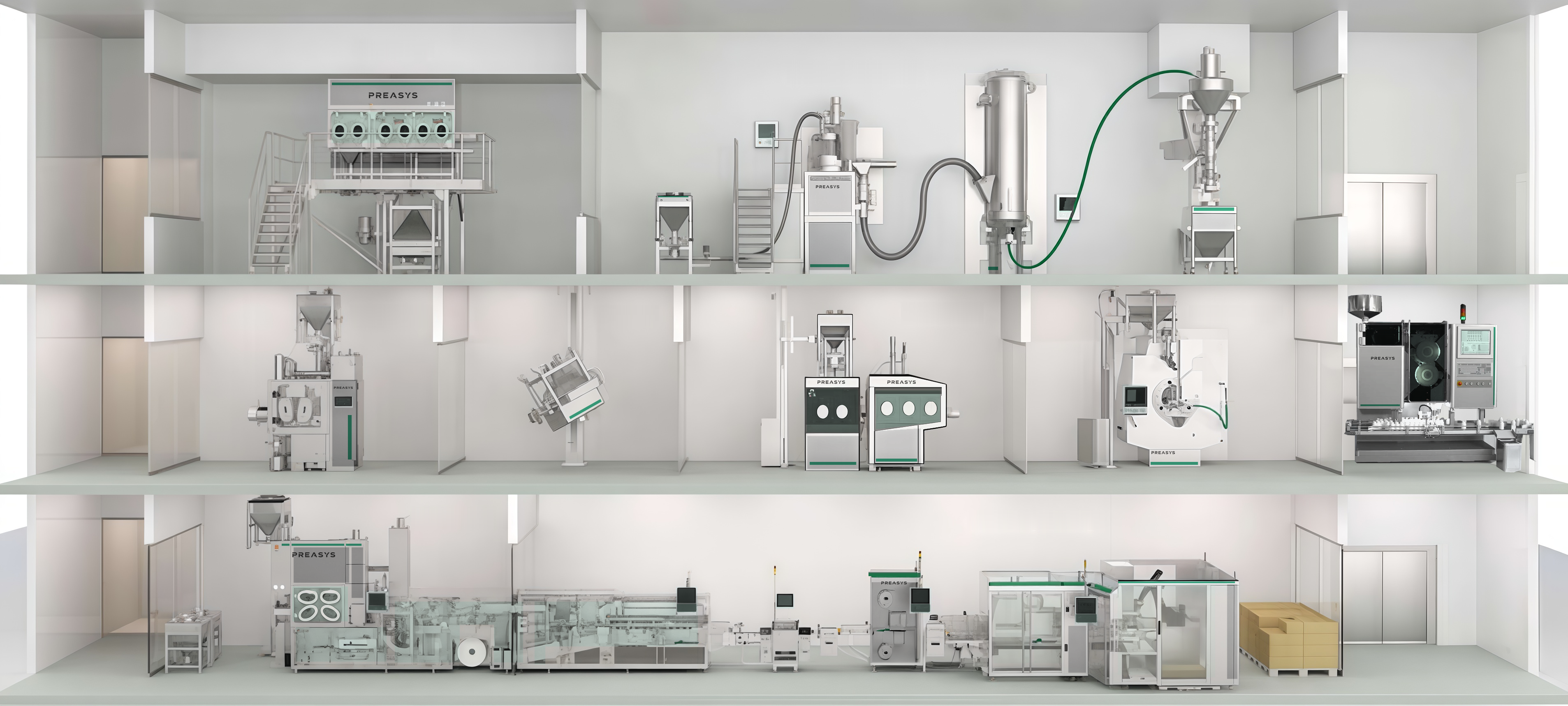
PREASYS three-level solid dosage process concept: preparation above; tablet pressing, encapsulation, coating, inspection and bottle filling in the middle; primary and secondary packaging below

Oral solid dosage · Integrated production

From powder to
packaged product

Discover the equipment behind your solid dosage process.

Skip tour
Production concept 17 equipment areas · Scroll to explore

Route selection. Wet and dry granulation are alternatives. Select tablet compression or capsule filling for the dosage form; include coating when required.

Illustrated equipment and packaging options show process relationships. The facility layout and equipment configuration are defined for each project.

Line integration

Upstream: compressed and functionally coated tablets with the required mechanical strength and a defined drilling location.

Downstream: drilled tablets proceed through residue management and aperture checks before the selected packaging route. Release testing remains a separate product-quality activity.

Retain the drilling recipe, tablet orientation, laser settings and aperture evaluation with the batch record.

Functionally coated tablets

↓

Tablet laser-drilling sequence:

Singulation → Orientation → Carrier positioning

→ Focused laser exposure at the specified drilling location

→ Aperture evaluation → Separation of non-conforming units

↓

Evaluated drilled tablets → Appropriate cleaning or dedusting → Bottle or blister packaging

Support throughout your project and production

Define the equipment scope

The target face, coating thickness and required opening geometry determine orientation and process settings.

Learn more

Agree the acceptance test

Inspect the location and geometry of trial openings and route out-of-position tablets to the reject stream.

Learn more

Prepare for operation

Identify the contact parts and format tooling for Laser Drilling Machine. Agree access for cleaning, the spares to hold and the operating records the site will need.

Learn more

Knowledge hub

2 resources

Frequently asked questions

Is laser drilling a branding process?

Its purpose here is a functional opening for the osmotic product design. Surface identification belongs to the separate laser-marking or ink-printing process.

Does the drilling machine determine the tablet release profile?

The release profile belongs to the complete formulation and coated-tablet design. Drilling provides the specified opening; product testing establishes the resulting performance.

What information defines a drilling trial?

The coated tablet samples, target face, aperture drawing, acceptable surface condition and measurement method. Production rate and handling requirements are then evaluated with that product.

Contact

Provide coated-tablet samples, the required face and aperture drawing, surface acceptance criteria and release-test context for a drilling trial.

Discuss your project →
Upper and lower punch tooling around a tablet press turret