Homogenizing & Mixing
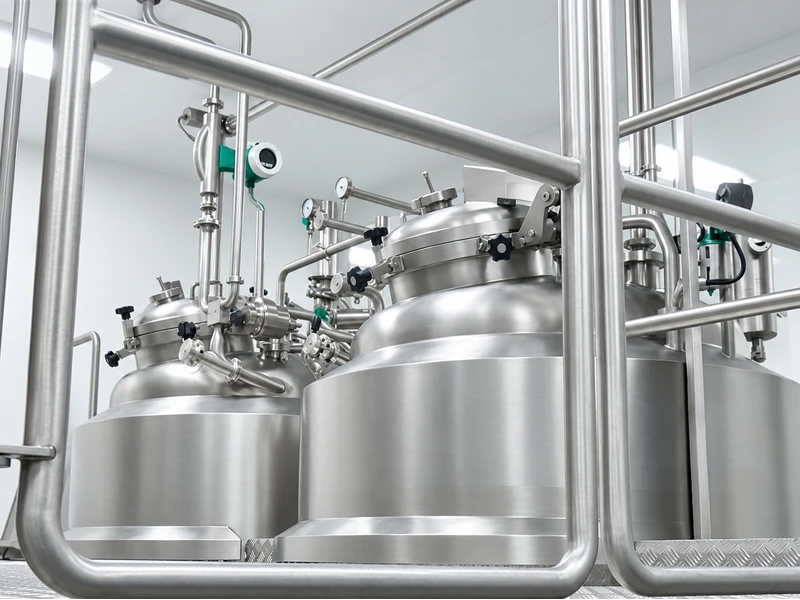
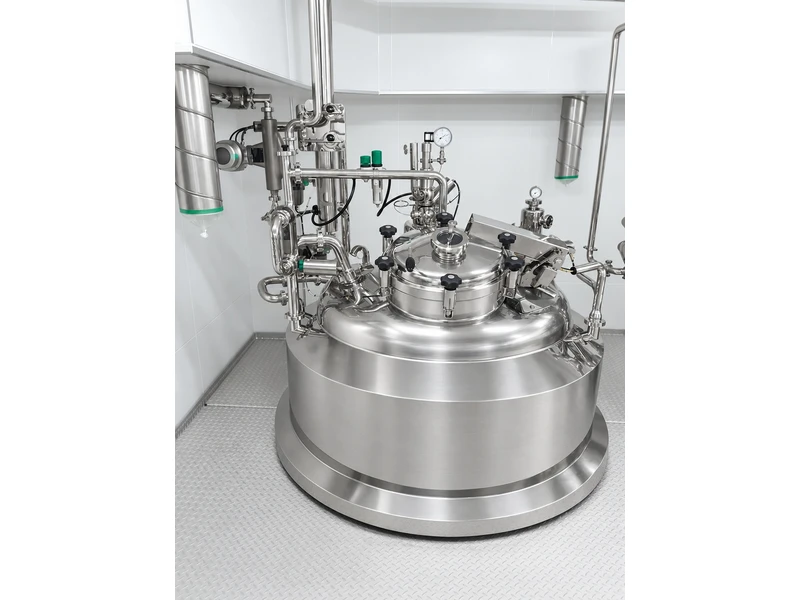
Bulk circulation, dispersion and heat transfer develop the emulsion, suspension or ointment before holding or filling.
Process expertise. Chinese manufacturing. Global perspective.

Explore our solutions
Follow the material from preparation to its final presentation: a filled tube or bottle, a formed softgel, or a molded gummy. Each route requires a different transfer and conditioning strategy.
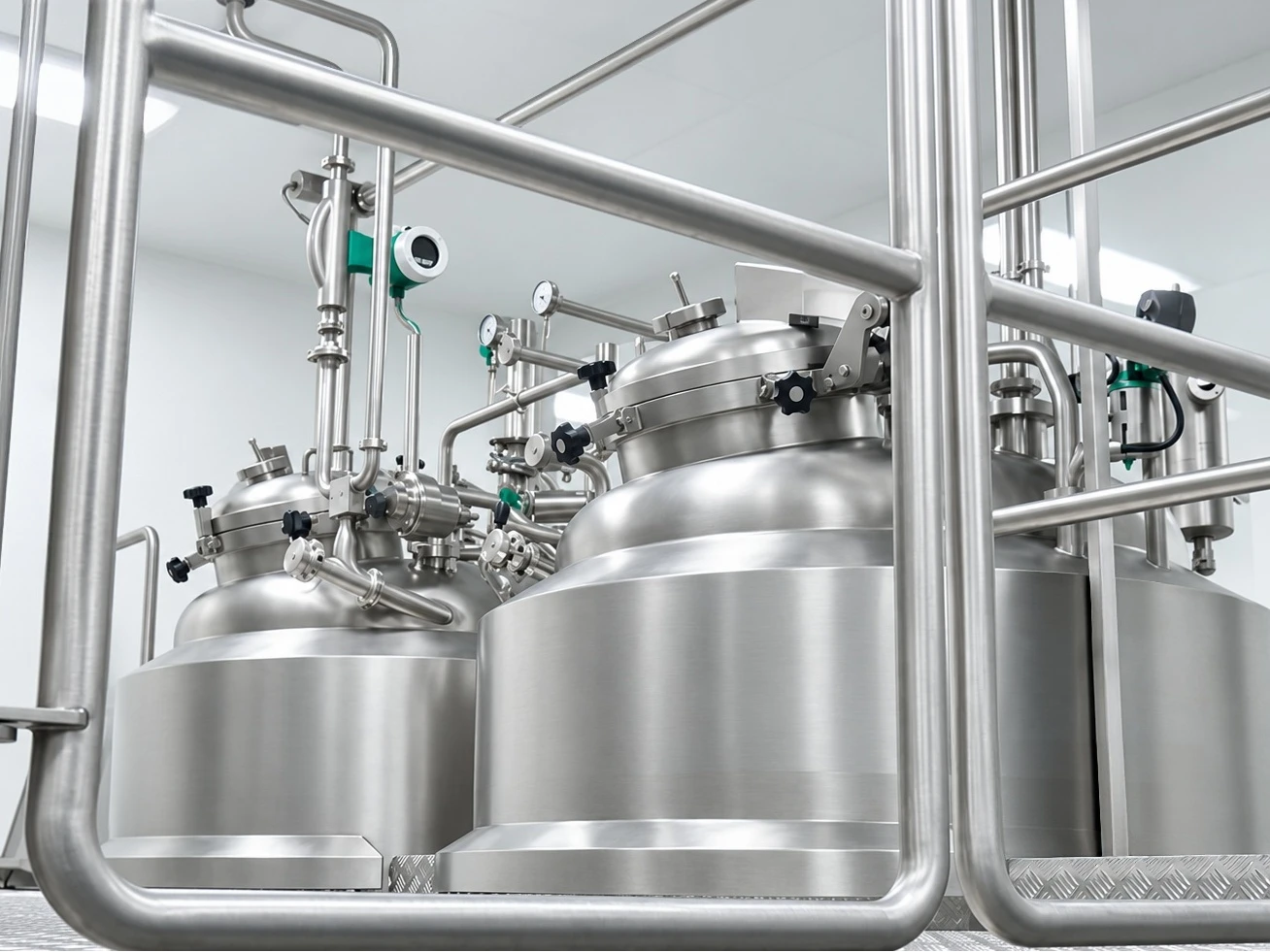
Temperature and shear can change how a semi-solid flows between machines. Preparation establishes the bulk condition; filling or forming converts that material into the selected product presentation.
Follow the product after preparation
The material leaving a mixer, encapsulator or depositor sets the downstream handling method.
2
Mixing and preparation systems
4
Forming and conditioning equipment
3
Filling and primary packing options
—
Process options
Bulk circulation, dispersion and heat transfer develop the emulsion, suspension or ointment before holding or filling.
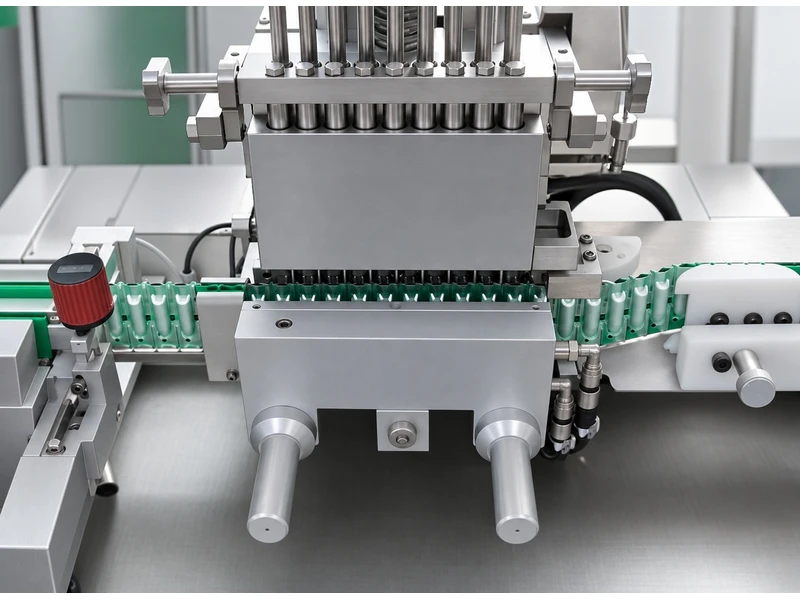
Product enters the open tube through a metering nozzle; the tube construction determines the folding or heat-sealing method.
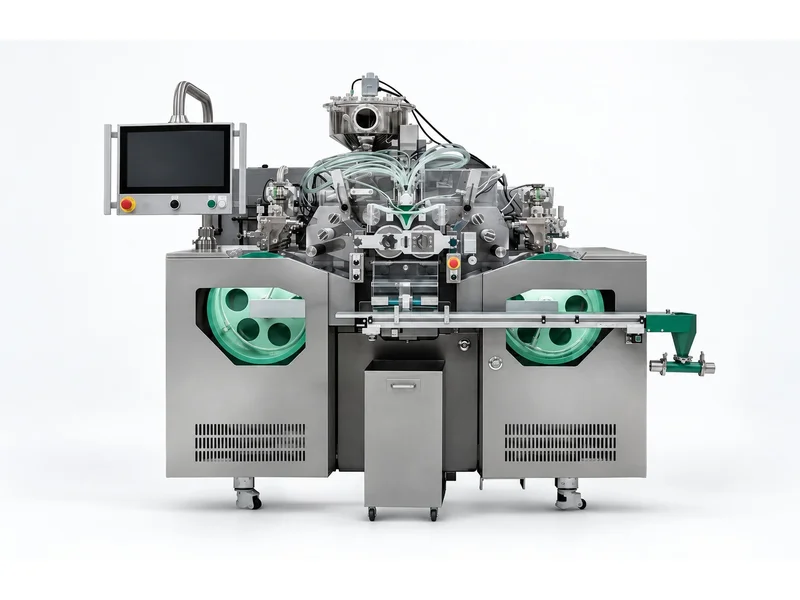
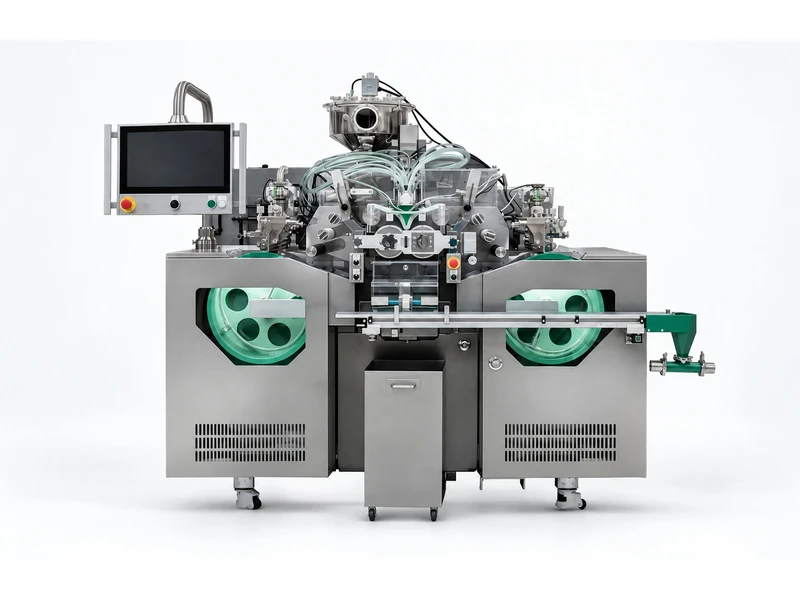
Rotary dies bring two shell ribbons around a metered fill. Wet capsules then need controlled drying before routine handling.
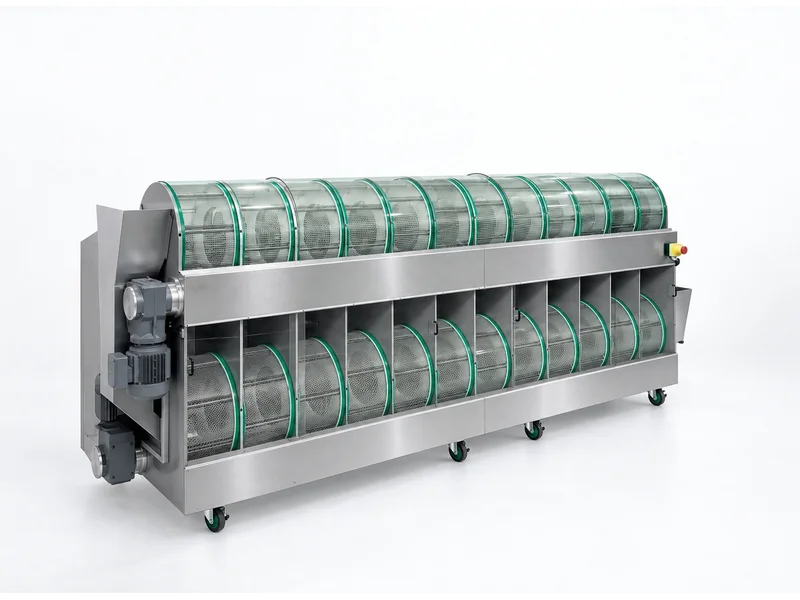
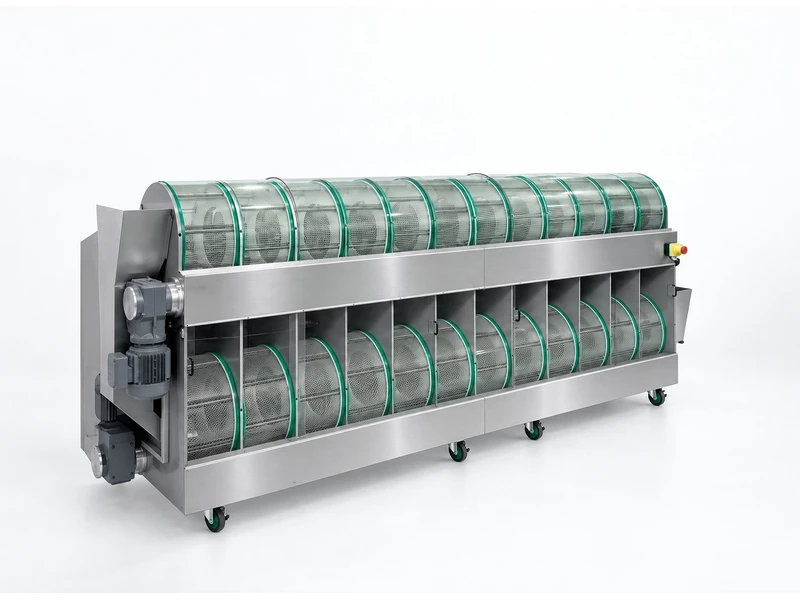
Staged air treatment removes shell moisture while controlling sticking, deformation and differences across the load.
Defined lighting and capsule presentation reveal specified visual attributes; sorting routes accepted and rejected units separately.
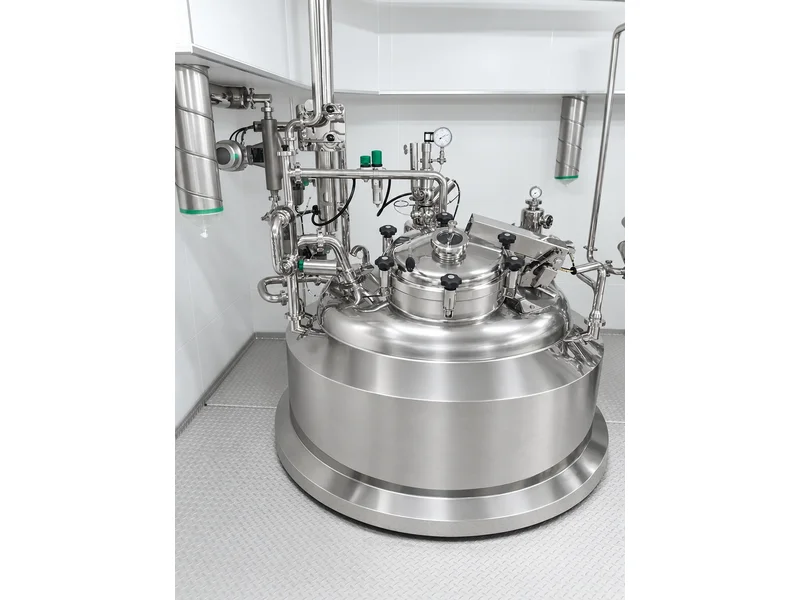
Dissolving, cooking and conditioning establish a gummy mass that can still be deposited. Sensitive additions follow their formulation-specific sequence.
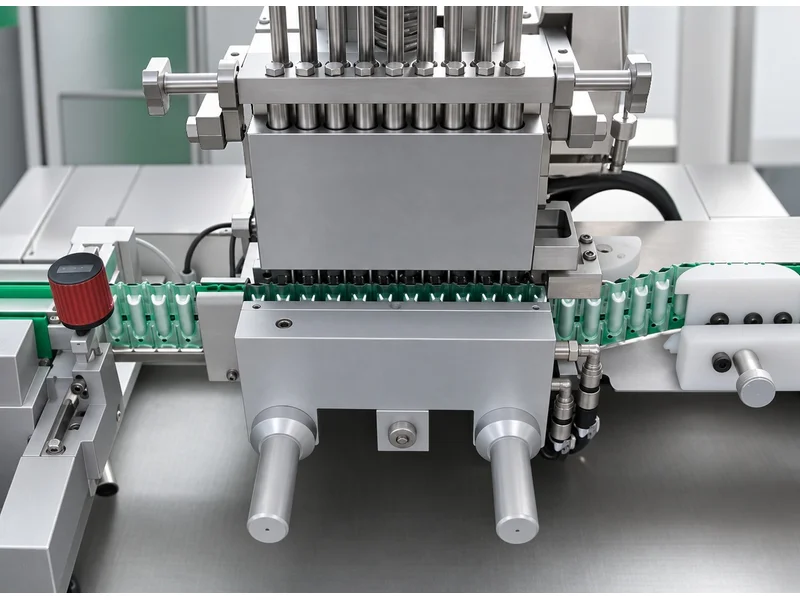
Conditioned mass enters mold cavities, sets and releases into the selected finishing path. Mold and gel system must work together.
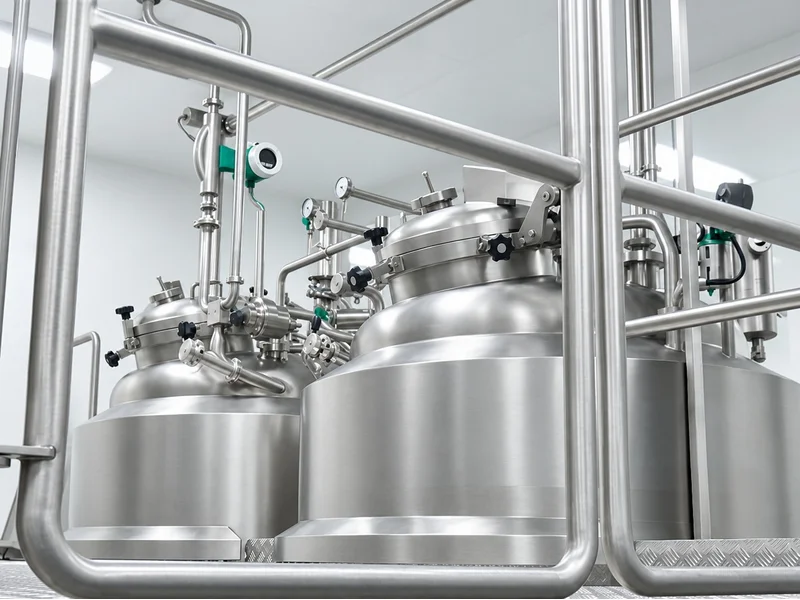
A metering path transfers prepared gel to the bottle while nozzle cutoff protects the neck and closure area.
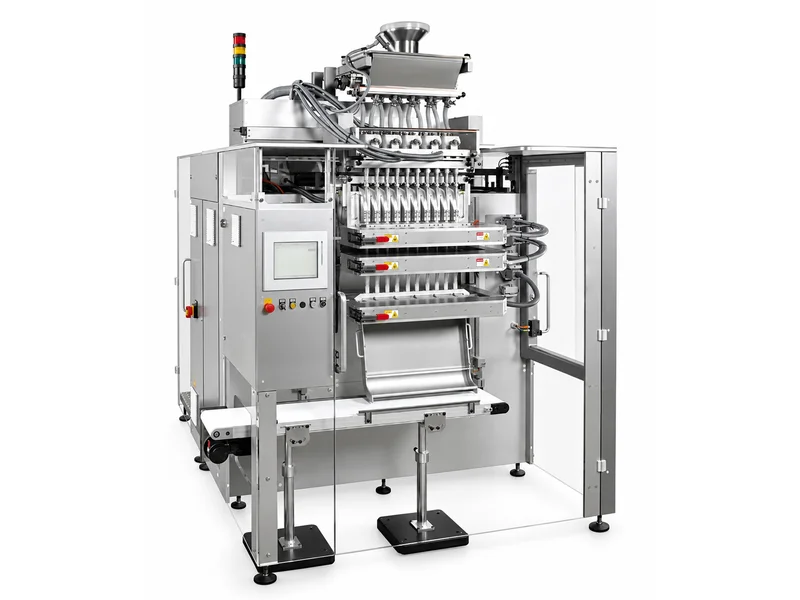
Finished discrete pieces enter a formed bag through a controlled drop. The film and product timing determine the sealing conditions.
The transfer condition belongs to both machines: temperature and rheology at a filler, shell moisture at a sorter, or piece tack at a bagger. Holding time and conveying can change that condition between the discharge and the next inlet.

Start with the final presentation, then follow the required material states backward. A tube needs prepared bulk at its filler; a softgel needs compatible shell and fill preparations followed by drying; a gummy needs a depositable mass and a setting stage.
Sample at the sending machine and after the intended hose, hold or conveyor. Compare temperature, flow behaviour, air, tack or deformation as appropriate to the product.
Release material to the next stage against the attributes that its equipment needs. A mixing endpoint alone does not prove that a gel cuts off cleanly or that a dried softgel rotates freely in inspection.
Select the upstream conditioning and downstream forming or filling method around the material state at transfer.
Learn moreTrial the product at its intended processing temperature and examine shape, separation or leakage after packing.
Learn moreIdentify the contact parts and format tooling for Semi-Solid Production. Agree access for cleaning, the spares to hold and the operating records the site will need.
Learn moreShare formulation behaviour, viscosity at filling and process temperature.
Request product information
2 resources
No. A softgel encapsulator joins shell ribbons around a separate fill. A gummy depositor places a gel-forming mass into a mold; its setting and release process is different.
It may be possible for a particular formulation, but the receiving machines have different dosing and package interfaces. Transfer temperature, available pressure and allowable hold determine the connection.
No. Homogenization is selected for a required dispersion or emulsion result. Other products need bulk blending, dissolving or conditioning without that level of shear.