Read details

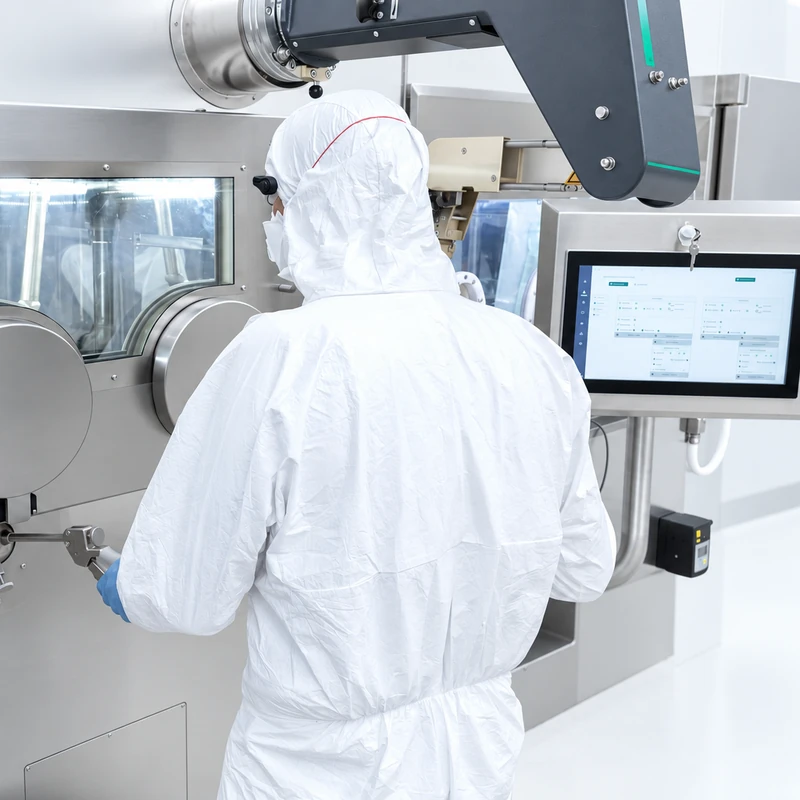
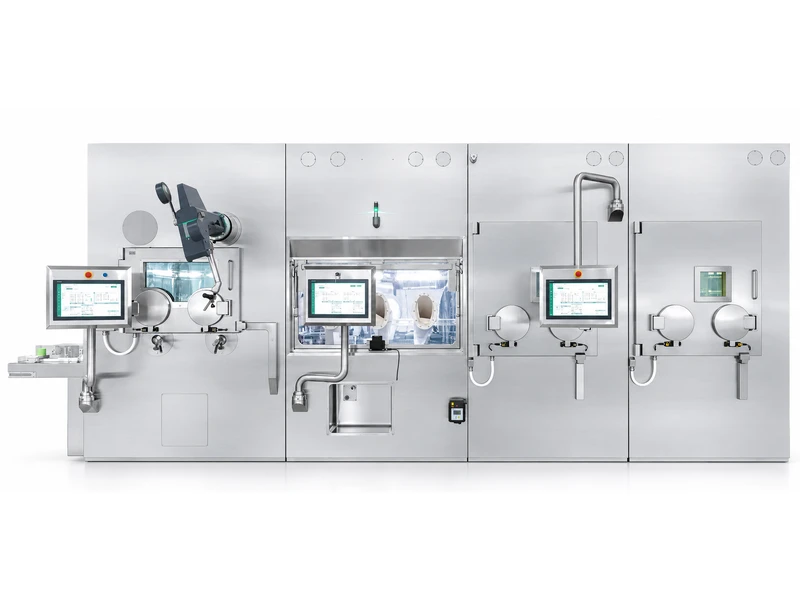
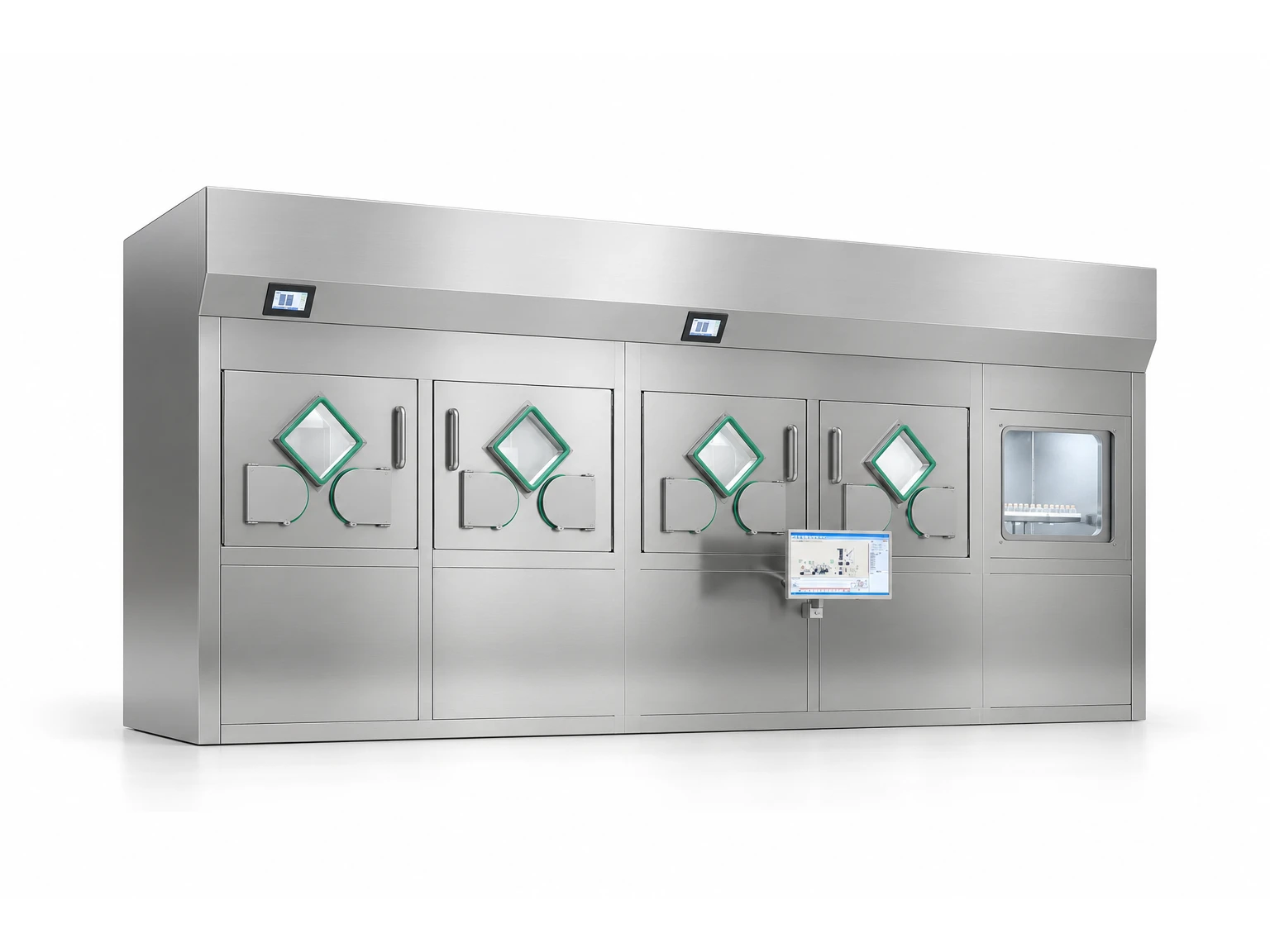
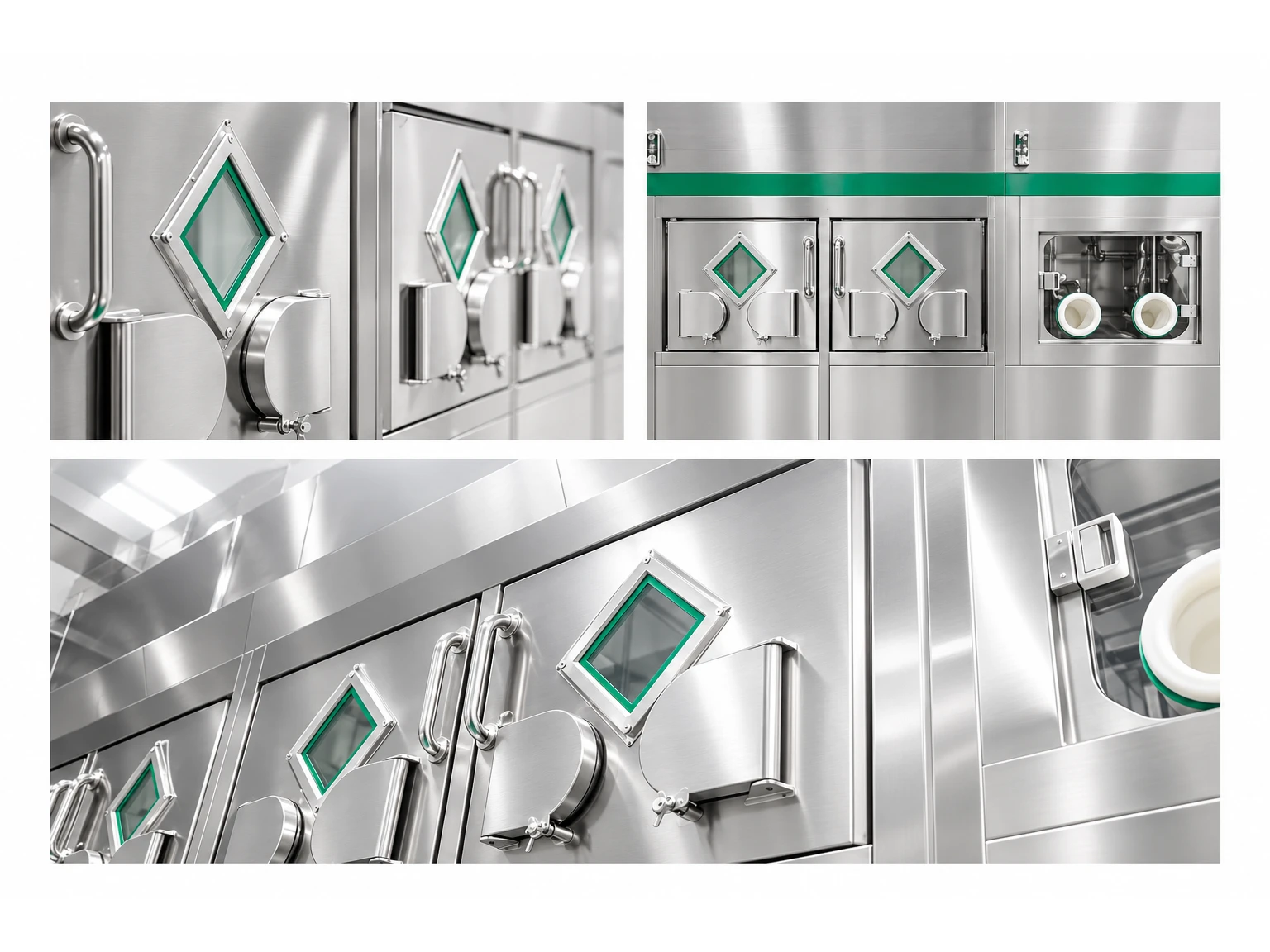
Access and protection — Shielding occupies space around the process, while viewing and handling require openings or transmission paths. Their positions determine whether an operation can be performed without unnecessary movement across the boundary.
Radiation-protection basis — Radionuclide, activity, source geometry and occupancy affect the shielding assessment. One material thickness cannot be treated as suitable for every isotope or operation.
Containment boundary — Seals, penetrations and transfer devices contribute to enclosure tightness. Leakage assessment therefore concerns the assembled system and its defined test condition, not the wall material alone.
Ventilation — Supply, extraction, filtration and the intended pressure relationship control movement of air through the enclosure. Their arrangement must address both normal operation and defined access states.
Cleaning and biodecontamination — These functions require accessible surfaces and a compatible process. A biodecontamination cycle and radioactive contamination management solve different problems; one cannot stand in for the other.
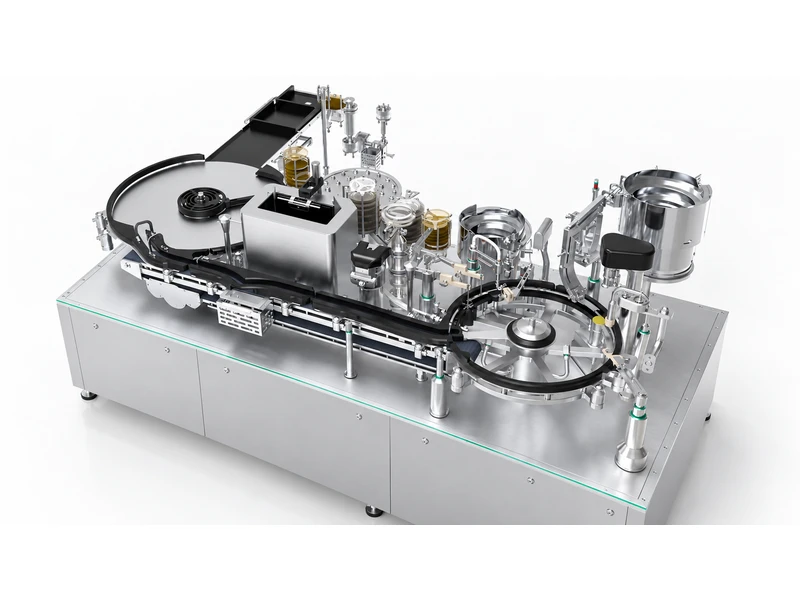
Process changes — A different radionuclide or chemistry can change shielding, materials, ventilation and waste requirements. Flexibility comes from a defined design envelope rather than a generic multi-isotope label.
Monitoring — Environmental and radiological measurements have different purposes. Their sampling locations, access and records must correspond to the conditions the project needs to assess.
Ergonomics — Manipulator reach, viewing angle and tool movement determine whether setup and recovery are practical. A layout trial can expose blocked views or unreachable connections before the enclosure is built.