Steam-user review
Map feedwater, heating utilities and the pressure and demand of each user. Separate generation, distribution and receiving-process responsibilities.
Learn moreProcess expertise. Chinese manufacturing. Global perspective.

Equipment & technology
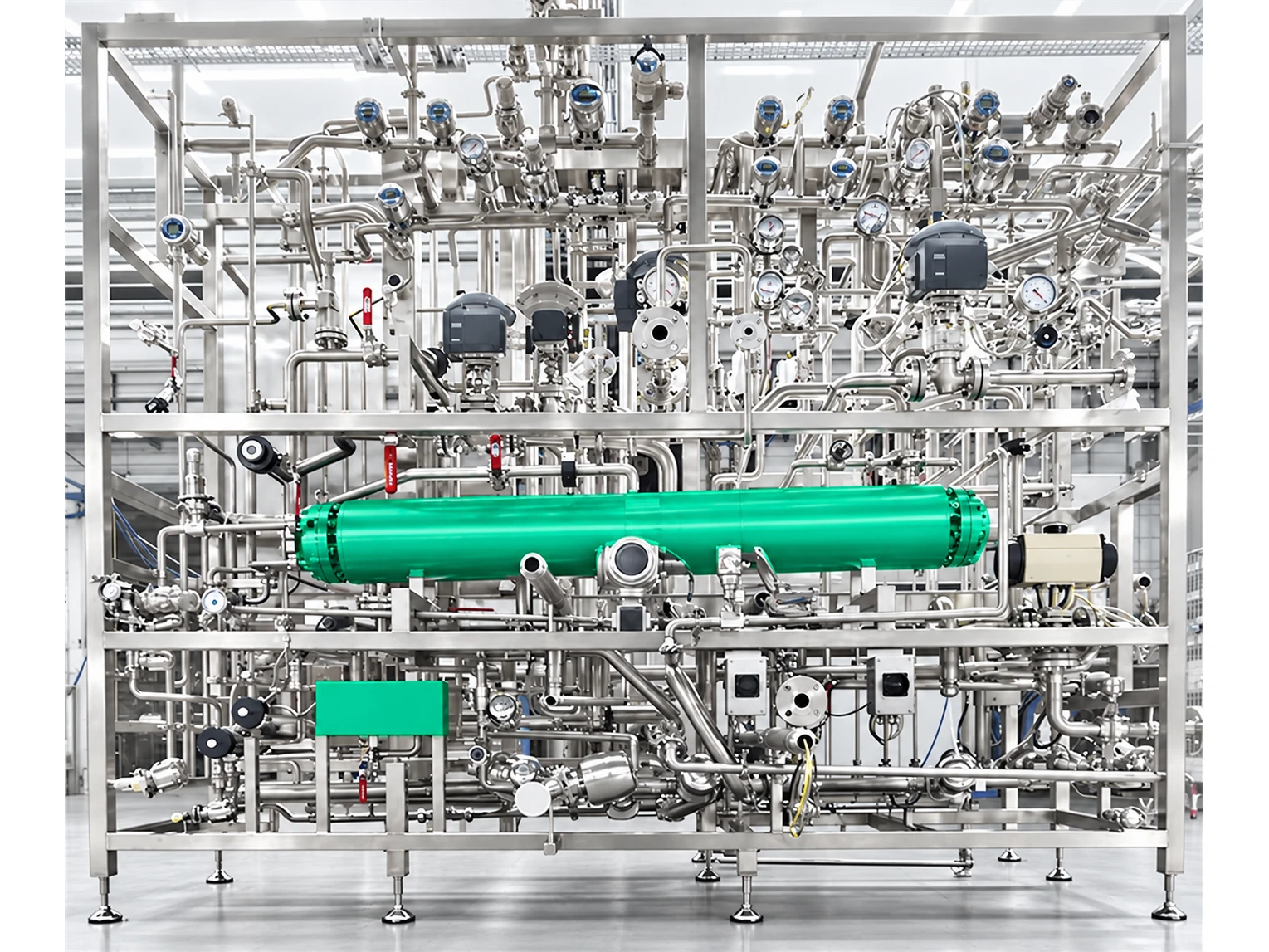
A pure steam generator converts a specified feedwater supply into steam for defined process or sterilization users. Selection connects feed quality with steam demand, delivery pressure and the chemical and physical steam quality required at those points of use.
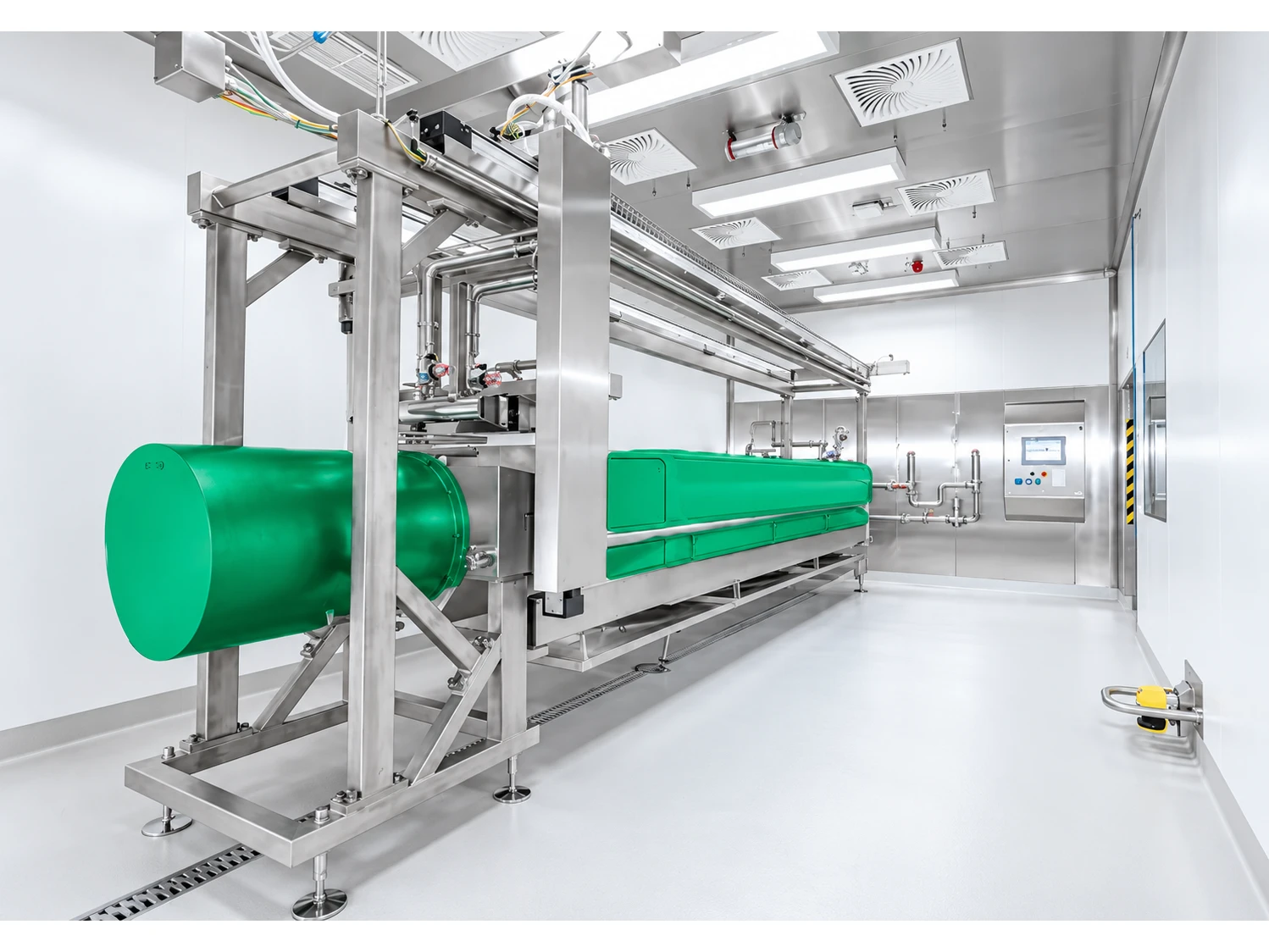
Heating produces vapor, while the generator arrangement must limit liquid carryover into the steam outlet. The downstream piping then carries that steam to the users and removes condensate along the route. A generator and its distribution therefore need to be assessed together: suitable steam at the source does not automatically establish the condition at a distant sterilizer or process connection.
Example project input
This is demand at the users. Add warm-up and distribution allowances and state the supply pressure before sizing the generator.
3
Steam users drawing together
20 kg/h
Steam draw per user
60 kg/h
Simultaneous process demand
—
Process options
A dedicated pure-steam duty distinguishes the process-contact utility from general plant heating steam. The useful specification describes the user load, pressure and quality rather than only generator output. Startup and coincident demand can change the condition delivered to the user, making distribution and drainage part of the performance boundary.
Feedwater quality and the heating and separation arrangement determine the generation duty. Materials, instruments and sampling access must suit the selected process, and the discharge or blowdown boundary needs to be coordinated with the facility.
Chemical quality is examined through suitable condensate sampling, while dryness, non-condensable gases and superheat may need assessment for the intended steam application. These are different questions; calling steam gaseous WFI does not establish every property needed by a sterilization process.
Specify the user duty and operating states before selecting the generator. The following inputs concern the connected feed, steam and sampling boundaries, not an assumed universal steam rating.
| Project input | What to record and why |
|---|---|
| Feedwater quality | Identify the water source, representative analysis and variation. Confirm what the site supplies and which conditioning steps belong to the generator package. |
| Peak steam draw | List simultaneous users and the duration of their demand, including startup where relevant. Peak steam duty differs from average daily consumption. |
| Delivery pressure | State pressure at the receiving user while the expected load is flowing. Account for the distribution route, pressure losses and condensate handling. |
| Condensate sampling | Identify representative condensate-sampling locations and handling conditions for the required chemical tests. Define separate physical steam-quality tests where the intended use requires them. |

Assess the generator separation and operating conditions together with suitable condensate tests. Then assess the physical steam properties required by the user; acceptable condensate chemistry alone does not establish dryness or the absence of problematic non-condensable gases.
Use the credible combination of steam draws and measure conditions at the relevant connections, including the difficult or distant user. Compare steady operation and startup with the specified pressure, drainage and quality requirements.
The upstream boundary supplies specified feedwater and heating utilities. Downstream distribution delivers steam, handles condensate and connects to the receiving equipment. Agree sampling, drainage and shutdown responsibilities at each interface; the receiving autoclave or SIP process retains its own cycle-development and acceptance scope.
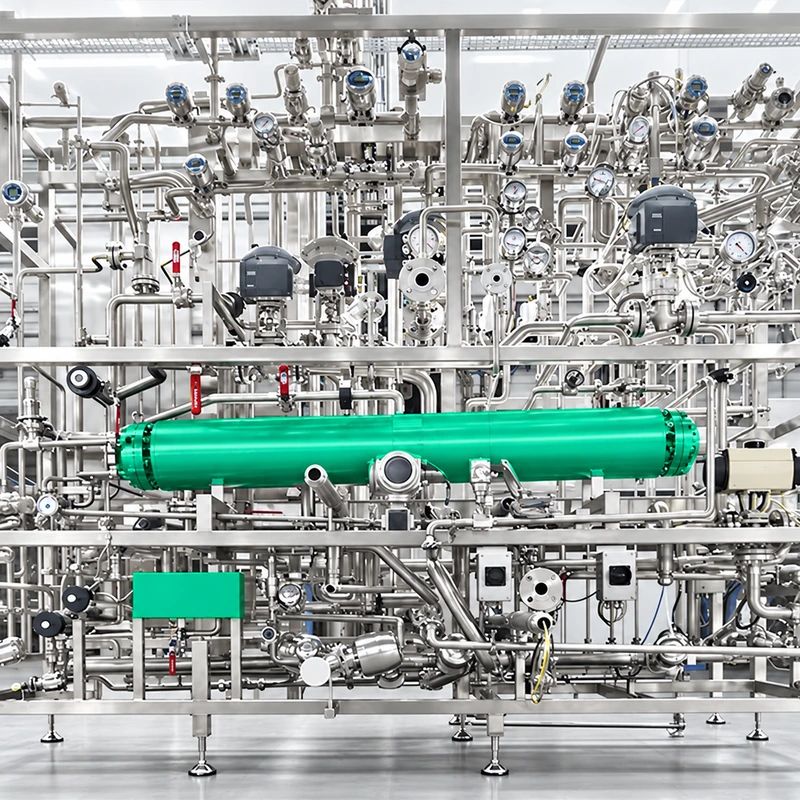
Map feedwater, heating utilities and the pressure and demand of each user. Separate generation, distribution and receiving-process responsibilities.
Learn moreAgree condensate and relevant physical-quality tests, representative sampling and load-change conditions. Assess the supply at the actual user interface.
Learn moreDocument startup, drainage, monitoring and maintenance. Include the checks needed after prolonged shutdown or an abnormal feedwater condition.
Learn moreShare feedwater quality, peak steam draw and delivery pressure.
Request product information
Brochure
Pure Steam Generator (PSG)
Available by enquiry
Request product information2 resources
Not by assumption. The feed, generation equipment, distribution and required chemical and physical qualities must be suitable for the intended process-contact duty.
No. Condensate testing addresses chemical and other specified water-quality requirements. Physical steam properties such as dryness and non-condensable gases may need separate assessment for the receiving application.
No. It supplies a defined utility. The autoclave and its load require separate cycle development and qualification, including the conditions achieved within that load.
Several users can draw steam together and require a minimum pressure while flowing. That combination and its duration, together with startup and distribution allowances, determine a different duty from average consumption.
Share feedwater analysis, available heating utilities and the simultaneous steam-user schedule. Specify pressure and quality at the user connections, the distribution route and the required sampling access.
Discuss your project