Skip to content

Process expertise. Chinese manufacturing. Global perspective.

PREASYS

Equipment & technology

Flowability Tester

Powder flow testing characterizes how a material moves under a defined condition. Orifice discharge and angle of repose are useful observations, but no single flowability number predicts every hopper, feeder or transfer route.

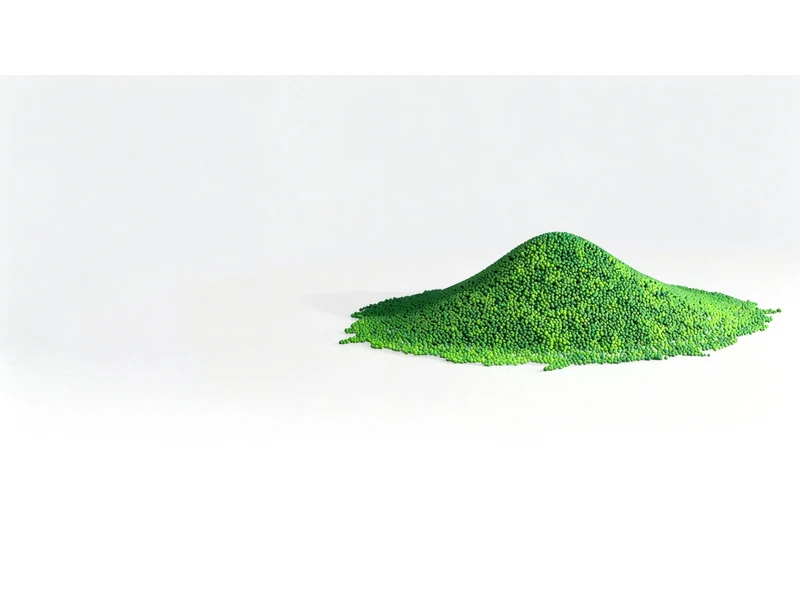
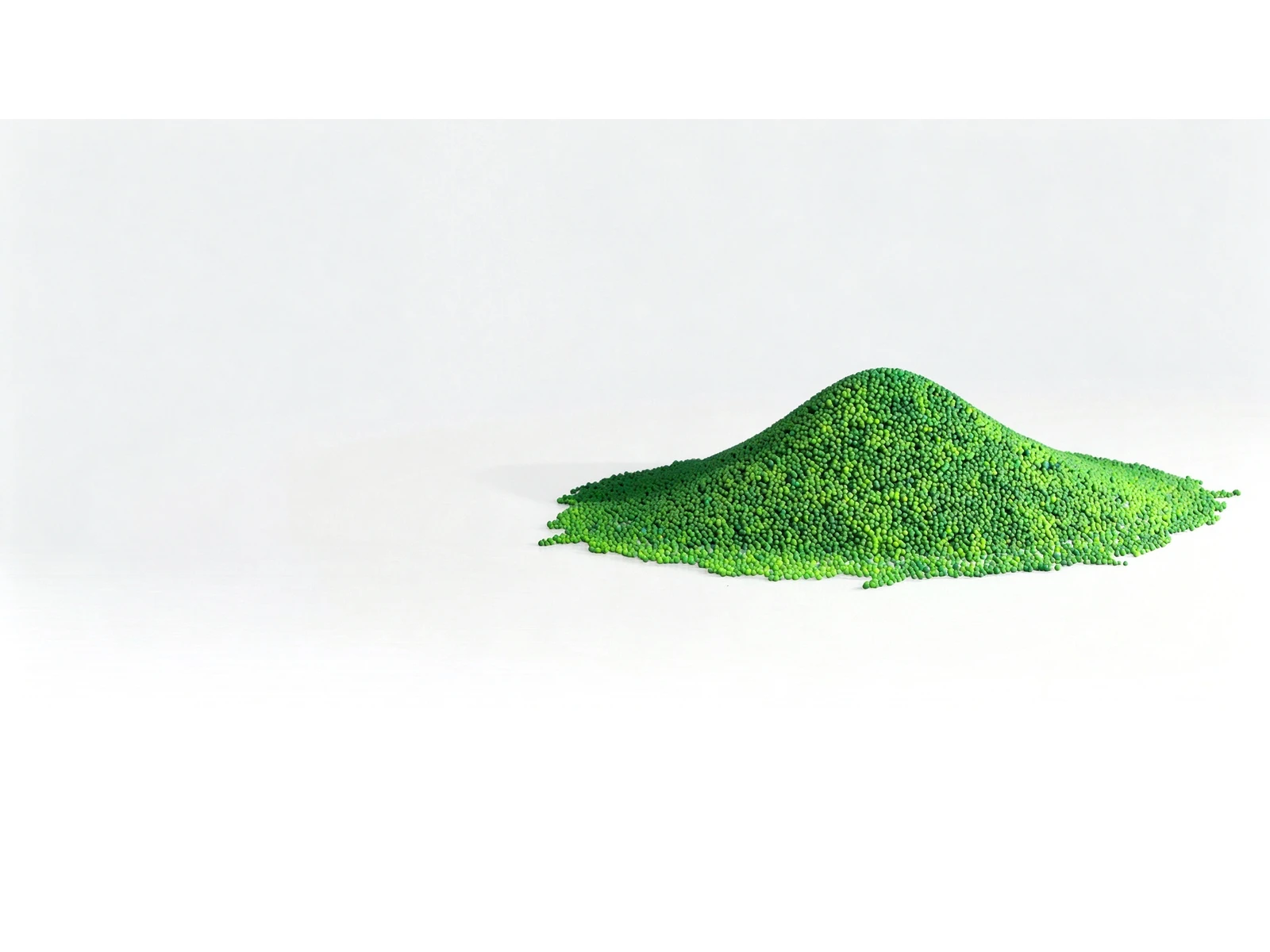
Fine green powder shown in a loose pile
Process context · Fine green powder shown in a loose pile

Flowability Tester

Match the powder test to the handling problem

Observe discharge behaviour under controlled conditions

In an orifice test, the outlet geometry and sample loading influence whether powder flows and how quickly it discharges. The resulting mass or volume per unit time describes that test arrangement. Angle of repose examines the pile formed by a defined pouring procedure. Cohesive powders under consolidation may need a different, stress-based assessment; a no-flow observation can itself be useful evidence.

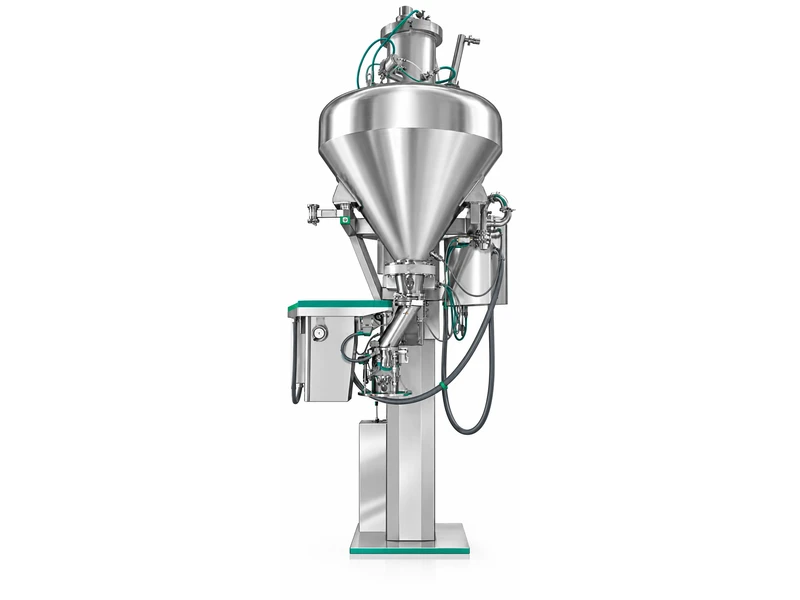
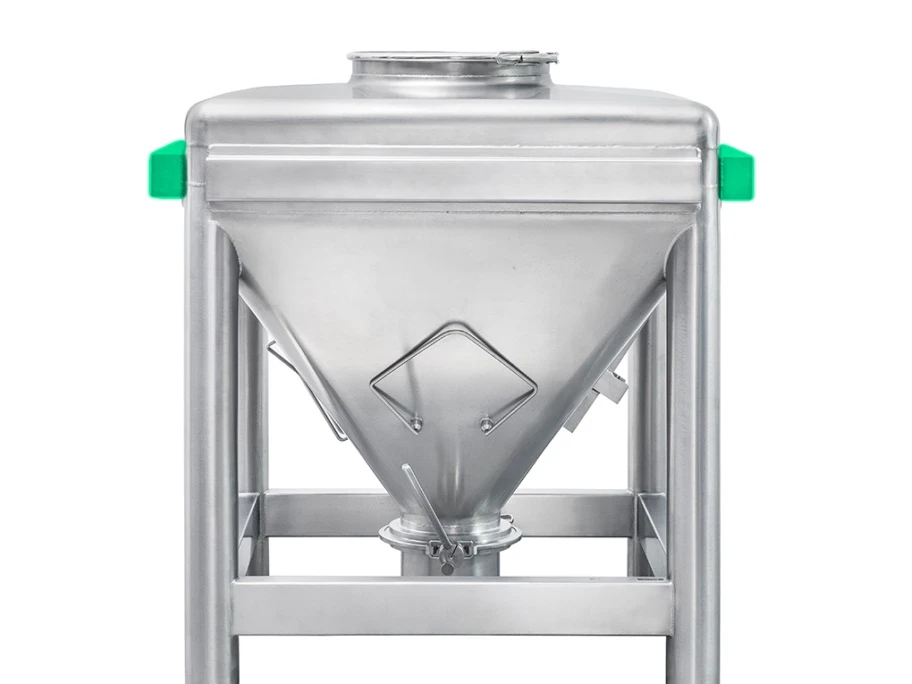
Intermediate powder container with a tapered discharge outlet
Process context · Intermediate powder container with a tapered discharge outlet

Example project input

Use the same outlet, powder condition and start/stop rule for comparisons. Record a blocked orifice as a no-flow observation instead of extrapolating a rate.

120 g

Mass collected at the outlet

30 s

Measured discharge time

4 g/s

Mean mass flow through the orifice

Process challenges

Handling relevance: relate the laboratory condition to the production problem, such as intermittent discharge, bridging or changing feed rate.

Read details

Handling relevance: relate the laboratory condition to the production problem, such as intermittent discharge, bridging or changing feed rate.

Repeatability: control powder conditioning, loading and outlet geometry before comparing results between lots.

Test configuration: different discharge or pile-forming arrangements measure different responses; retain the method identity with the result.

Packing information: bulk and tapped density provide additional evidence about settling, but their indices do not replace direct observations of flow.

Method suitability: match the apparatus and procedure to the selected laboratory method rather than treating a general chapter as proof of instrument performance.

Technical data & features

Choose the test to reflect the actual problem, such as inconsistent die fill, bridging or discharge from a bin.

Intermediate powder container with a tapered discharge outlet

Flow measurement choices

Orifice discharge can be recorded as mass or volume over time; state the outlet and timing rule with the reported rate.

Angle of repose depends on how the pile is formed and measured. Optical measurement is an option whose geometry and analysis must be specified.

A modular setup is useful only when each arrangement can be assembled reproducibly and its dimensions are recorded.

The supplied apparatus, operating procedure and verification records need separate review against the applicable method.

Balance, timing and dimensional checks support the test; include powder condition and any no-flow result in the record.

Test element Meaning and limitation
Orifice discharge Measures the response to the stated opening and loading procedure.
Angle of repose Describes a pile formed under a defined pouring and measurement method.
Method record Identifies apparatus geometry, powder preparation and calculation procedure.
Configuration change Re-establish dimensions and setup after exchanging test components.
Interpretation Compare results with the relevant handling condition; retain no-flow observations.

How it works

How can lot comparisons be made useful?

Condition and load samples consistently, use the same outlet and timing rule, and record moisture or storage differences. Repeat the test sufficiently to distinguish variability from a single unusual discharge.

What should be recorded when the powder does not flow?

Record the outlet, loading and sample condition and report the no-flow observation. Do not shake or prod the powder unless the chosen method explicitly requires it, because that changes the test.

When is another flow method needed?

A hopper problem involving consolidated or cohesive powder may not be represented by free discharge through a small funnel. Select a stress-based or other appropriate method that addresses the actual handling condition.

Line integration

Powder / granule samples (development, incoming, in-process) ↓ Representative sample → Defined discharge or pile-forming test → Flow observations and method-specific results → Comparison with handling performance

↓

Characterization evidence → Formulation or equipment evaluation → Confirmed process trial

Support throughout your project and production

Define the equipment scope

Choose the test to reflect the actual problem, such as inconsistent die fill, bridging or discharge from a bin.

Learn more

Agree the acceptance test

Record sample conditioning and compare the laboratory result with observations at the equipment feed point.

Learn more

Prepare for operation

Identify the contact parts and format tooling for Flowability Tester. Agree access for cleaning, the spares to hold and the operating records the site will need.

Learn more

Knowledge hub

2 resources

Frequently asked questions

Is angle of repose a universal flow rating?

No. It depends on the pouring and measurement procedure and describes one response. Hopper discharge and feeding can impose different stresses and boundary conditions.

Is a no-flow result invalid?

Not necessarily. It may be an important observation for that opening and powder condition. Document it rather than forcing a result by changing the procedure.

Are bulk and tapped density enough to select a hopper?

They contribute packing information, but hopper design also depends on wall interaction, consolidation and the required discharge pattern. Use tests appropriate to those questions.

What does a reported flow rate mean?

It is the measured mass or volume divided by the defined discharge time for the stated arrangement. It should not be transferred directly to a production feeder capacity.

Contact

Describe the powder, handling problem and test condition of interest. Include sample conditioning, expected moisture range and the production hopper or feeder context.

Discuss your project →
Intermediate powder container with a tapered discharge outlet