Skip to content

Process expertise. Chinese manufacturing. Global perspective.

PREASYS

Equipment & technology

cGMP Pharmaceutical Warehouse Management System (WMS)

Warehouse management software maintains inventory identity, location and status as materials move from receipt to dispatch. It coordinates put-away, picking and replenishment through defined interfaces, while equipment controls execute physical motion and the designated quality process owns release decisions.

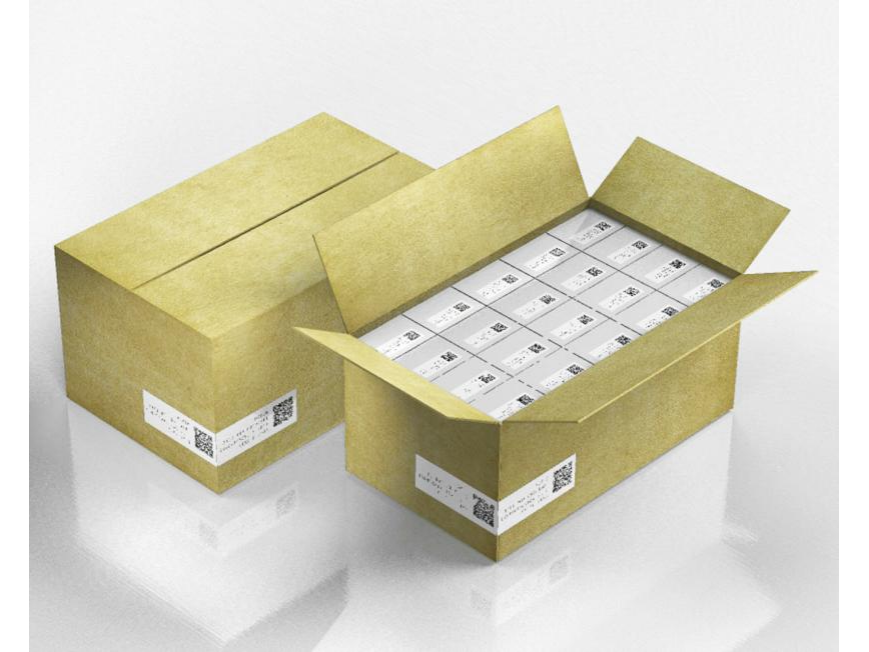
Opened shipping case showing the arrangement of individual cartons
Process context · Opened shipping case showing the arrangement of individual cartons

Warehouse Management System

Connect warehouse decisions with inventory records

Identity, eligibility and movement confirmation are separate parts of the workflow.

A warehouse record must describe what the handling unit contains, where it is and whether it is eligible for the requested operation. Receipt establishes identity and quantity; put-away and retrieval change location; quality decisions can change availability without moving the load. WMS workflows coordinate these events with host systems, scan points and material-flow controls. The result is useful only when incomplete transfers, duplicate messages and corrections remain visible rather than being recorded as successful stock movements.

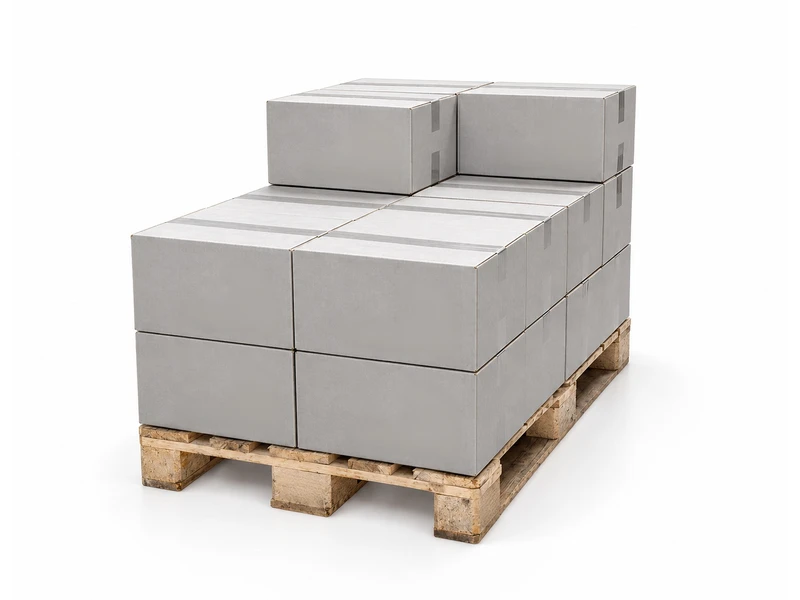
Shipping cases stacked in layers on a pallet
Process context · Shipping cases stacked in layers on a pallet

Example project input

Compare scanned pallet IDs at despatch and receipt. The balance is a movement check; quarantine status must not change simply because a pallet moved.

24

Pallets sent to quarantine

3

Pallets still in transfer

21

Expected receipts in quarantine

Process challenges

Inventory eligibility must remain distinct from physical location

Read details

A location strategy assigns suitable positions to the defined handling units and stock conditions. The WMS records and applies that strategy; rack height and physical storage density belong to the handling-system design.

Picking starts with eligible stock and a specific task. Identity checks at the source and destination help detect mismatches, while exceptions must be resolved before inventory is treated as correctly issued.

Production demand, task priorities and receiving-station availability influence the warehouse queue. Software can coordinate that queue, but movement speed and congestion depend on the physical system and operating profile.

Batch, expiry and any required serialized identifiers must retain their relationships through movement and repacking. Serialization scope depends on the product and connected systems; it is not automatic regulatory compliance.

Order lead time includes release, allocation, picking, packing and dispatch waits. Recording the relevant event boundaries allows the actual delay to be investigated without promising a universal reduction.

An existing warehouse may combine manual locations, scan terminals and automated stores. Consistent identity and confirmation rules are needed at the boundary between these workflows.

ERP, quality systems, WMS and equipment controls have different responsibilities. Explicit data ownership and agreed command, acknowledgment and exception messages prevent one system from assuming another has completed a task.

Every correction needs to remain connected to the load, location and stock state it changes. A transport completion must not silently turn quarantined material into released inventory.

Technical data & features

Define how batch, expiry, quarantine, release and reservation states are exchanged with other systems.

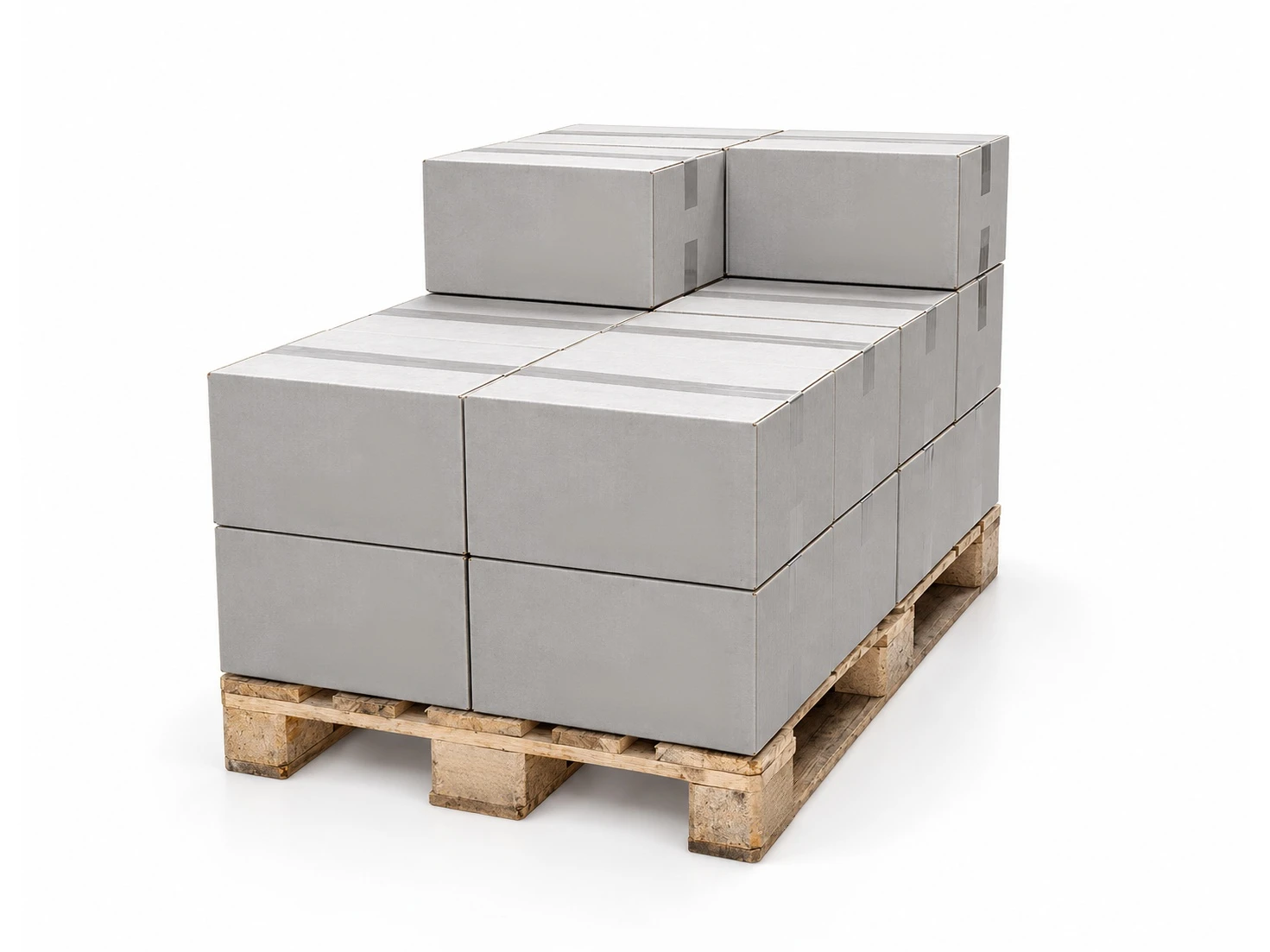
Shipping cases stacked in layers on a pallet

Stock identity and task logic

Inventory records link the handling unit with its contents, batch and relevant expiry information. The required level of item or serial identification depends on the product and workflow.

Location and availability rules govern put-away and allocation. Quarantine, release, rejection and reservation states must have defined owners and permitted transitions.

Movement confirmation and exception handling

Tasks exchange source, destination and identity with scan terminals or material-flow controls. Completion, rejection and interruption must be distinguishable; a repeated message must not create a second stock transaction.

Record history: agree access permissions, timestamps, change history and the evidence needed for the intended use. Recovery: reconcile pending transactions and physical stock after communication loss or restoration. Integration scope: introduce workflows and interfaces with documented data ownership and acceptance cases.

Trace the event that changed stock availability

How it works

Testing inventory decisions and exceptions

How is stock allocated without mixing availability states?

Create representative released, quarantined and reserved records for the same material. Run the intended allocation rule and examine which records are eligible, including the response when status changes before issue.

How are picking mismatches detected?

Compare the scanned handling-unit identity and quantity with the assigned task. Test a wrong unit and a partial pick, then confirm that the inventory transaction reflects the actual accepted issue and preserves the exception history.

How is a task queue connected to production demand?

Identify the demand signal, task priority and destination-readiness message. Test a blocked destination and competing requests so the queue does not record an unreceived transfer as completed production supply.

How are serialized relationships reconciled after a move?

Where serialization is in scope, compare the item and parent identifiers at dispatch and receipt. Test separation or repacking explicitly; a carrier move alone should not invent or remove an item relationship.

How are warehouse lead times measured?

Choose consistent event boundaries such as accepted order, eligible stock, completed pick and confirmed dispatch. Analyze the waits between them to distinguish workflow delay from physical transport time.

How are manual and automated locations combined?

Use a common handling-unit identity and explicit confirmation at each boundary. Test manual corrections and failed scans so the stock record remains aligned with the physical load even when no automation reports the move.

How are duplicate or delayed interface messages handled?

Give each transaction a stable identity and define acknowledgment and retry behavior. Replay and reorder representative messages during testing; stock must not be received or issued twice because a message was repeated.

How is stock reconciled after an outage?

Compare outstanding tasks, accepted transactions and actual load positions before restarting normal work. Resolve unknown states through the agreed recovery process and retain the record of any correction.

Line integration

Inbound identity and expected receipt from the designated host system

↓

Warehouse transaction sequence:

Receipt and status assignment → Put-away task → Physical storage by manual handling or the selected automation → Eligible-stock allocation → Picking or production-supply task → Confirmed handoff → Reconciled host inventory update ↓ Inventory history reflects accepted movements and documented exceptions Upstream interfaces: purchasing or production orders, material identity and quality status Downstream interfaces: production receipt, dispatch and the corresponding host transactions

WMS coordinates inventory; equipment controls execute motion

Define ownership for batch and expiry data, quality status and any serialized relationships. Agree what happens when messages arrive twice, out of order or after an outage, and how the physical stock is reconciled.

Support throughout your project and production

Workflow and data scope

Map the stock states and warehouse tasks, then assign data ownership across ERP, quality, WMS and equipment controls. Identify the required traceability level.

Learn more

Configured-system tests

Use real workflow scenarios for quarantine, expiry, partial picks, duplicate messages and restoration. Evaluate permissions and record history against the intended use.

Learn more

Operational support

Define user access, exception ownership and change control. Include backup, restoration, interface monitoring and the reconciliation needed after manual intervention.

Learn more

Knowledge hub

2 resources

Frequently asked questions

Does WMS directly control cranes and conveyors?

WMS coordinates inventory and tasks. Physical movement is normally executed through material-flow and equipment-control layers. The project must define commands, acknowledgments and exception responsibilities between those layers.

Is a WMS automatically cGMP or Part 11 compliant?

No. Suitability depends on the configured functions, intended use, procedures and supporting evidence. Access, records, changes, interfaces and recovery need assessment; a product name is not certification.

Can the WMS decide that a quarantined batch is released?

It should apply the status supplied or authorized by the designated quality process. The ownership and permitted transitions must be defined, and a completed warehouse move must not imply quality release.

How does expiry affect picking?

The configured allocation rule can consider expiry and other eligibility conditions, including reservations and holds. The site must establish the required rule and test exceptions rather than assuming earliest expiry is always the only criterion.

Are storage height and crane throughput WMS specifications?

No. They are characteristics of the selected physical handling system. WMS response and transaction behavior need separate evaluation against the workflow and integration load.

Contact

Share the receipt, put-away, picking and dispatch workflows together with the systems that own orders and quality status. Include the handling-unit identifiers, batch and expiry rules, exception scenarios and required record history so the software and integration scope can be assessed.

Discuss your project →
Shipping cases stacked in layers on a pallet