Read details

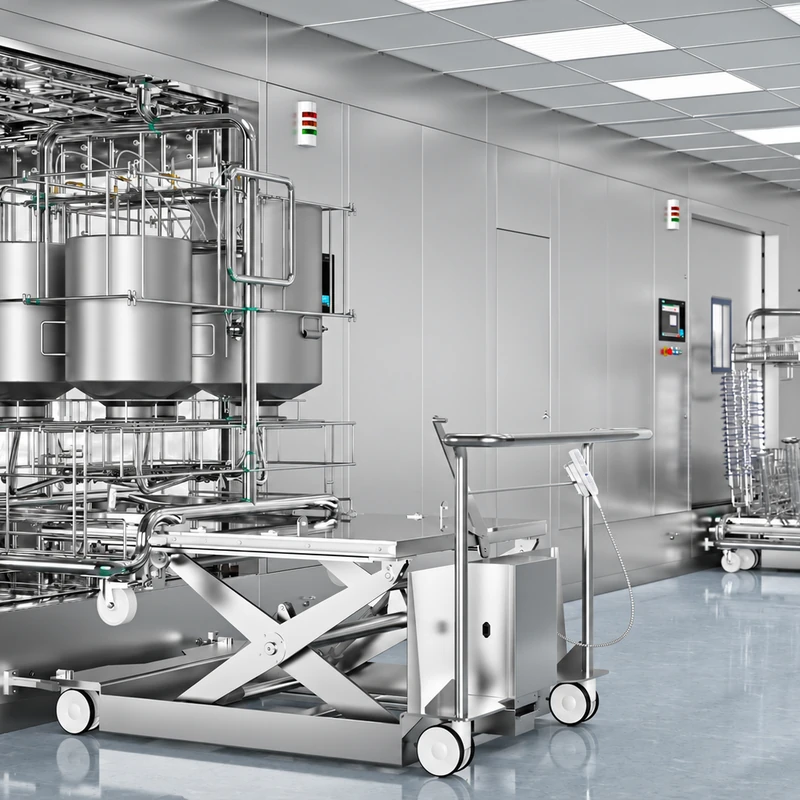
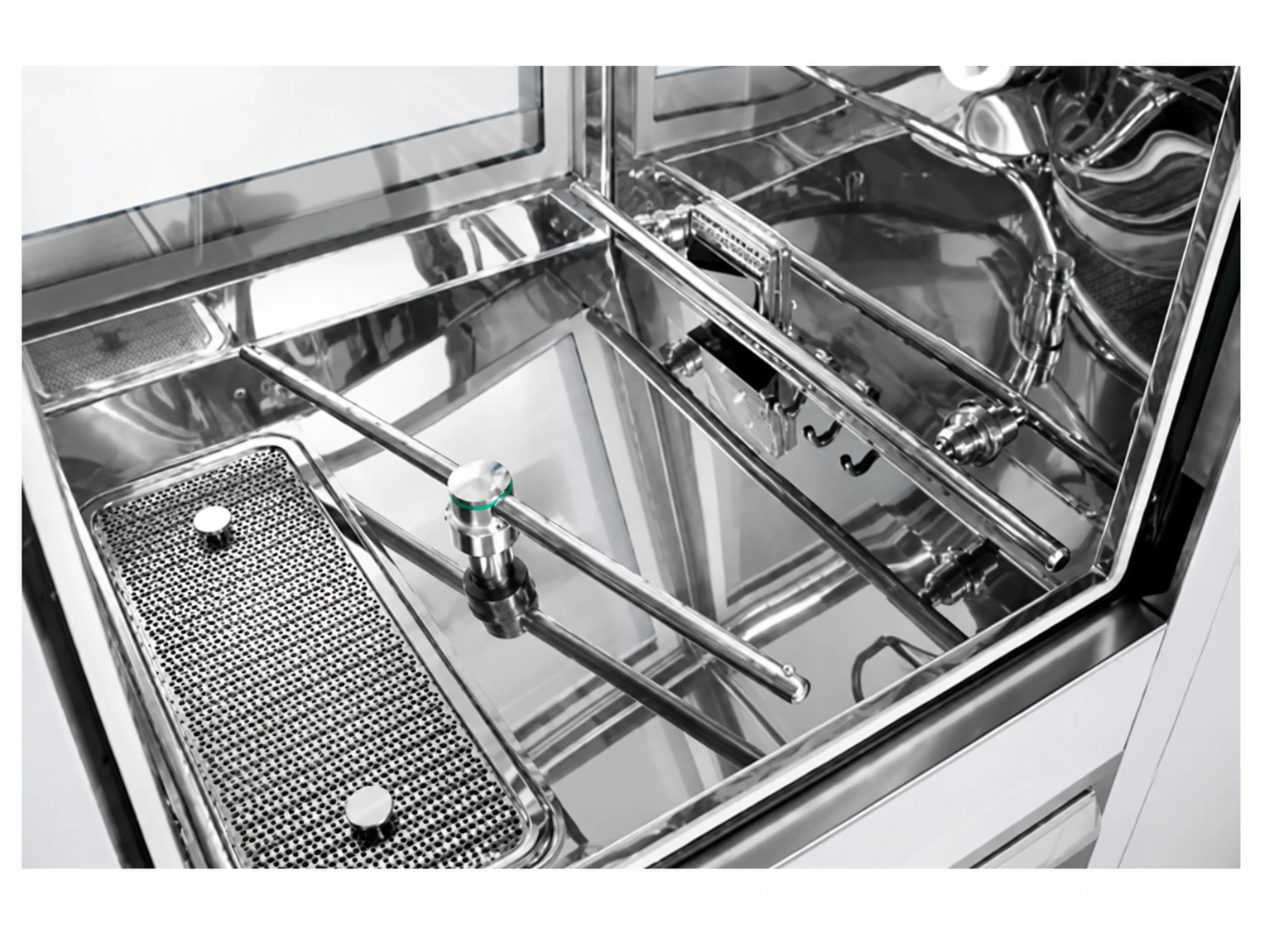
A cavity can remain unwashed even when the outside is wet. Direct internal connections and a repeatable loading position help expose the required passage; coverage and residue testing must confirm the result for the actual part.
The rinse must remove both released soil and cleaning chemistry. Circuit separation, water quality and drainability determine what reaches the part during that stage; their suitability is assessed with the loaded rack.
One part can shield another from spray. Loading positions and clearances should expose the critical surfaces, while any proposed rack movement is assessed for coverage and mechanical stability.
A single-pass final rinse and a recirculated stage have different water-use and carryover characteristics. Selection depends on the soil, cleaning media and acceptance endpoint; neither route is justified by its name alone.
Conductivity can help monitor ionic carryover where it is relevant to the residue. It is not a universal assay for all product soils, so the sampling and analytical method must cover the substances of concern.
Residue properties and part materials determine whether spray washing is sufficient. Ultrasonic treatment or an alternative chemistry may require a separate technology assessment; solvent use needs compatible equipment and a defined safety basis.
A through-wall arrangement can separate dirty loading from clean unloading. Door sequencing, seals and unloading practice must fit the facility; a second door does not by itself protect every cleaned surface.
The load identity, rack arrangement, recipe and cycle result make the cleaning history reviewable. Interrupted cycles and changes to connections or loading patterns need a defined disposition before parts return to use.