Skip to content

Process expertise. Chinese manufacturing. Global perspective.

PREASYS

Explore our solutions

Pharmaceutical Intelligent Logistics & Warehouse Automation Systems

Pharmaceutical logistics connects the movement of a physical load with its inventory identity and status. Automated storage and retrieval handles the load; warehouse management coordinates receipt, locations, stock rules and demand through defined interfaces.

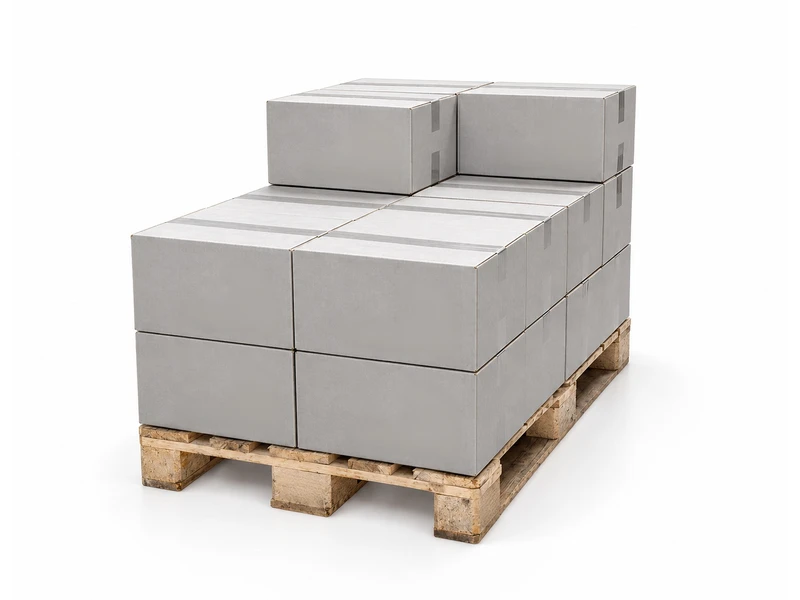
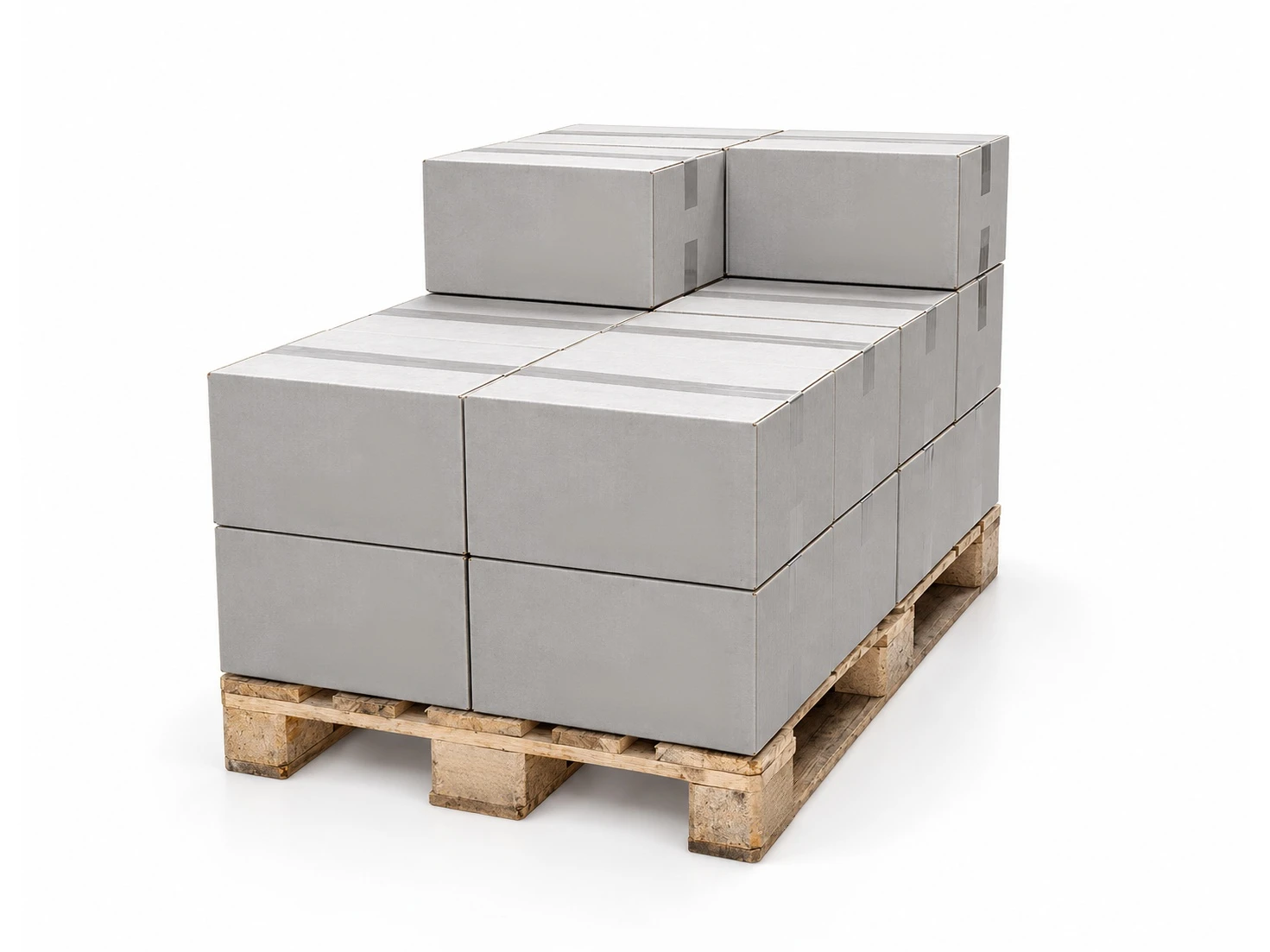
Shipping cases stacked in layers on a pallet
Process context · Shipping cases stacked in layers on a pallet

Your process, your benefits

A pallet can reach a storage position without being released for production. Keeping the physical transfer and its inventory transaction aligned prevents movement completion from being confused with a quality decision. Storage equipment, scan points and system messages must describe the same handling unit.

Separate the load movement from its record

Define the physical carrier and destination together with the stock status the receiving system must record.

2

Logistics systems

View pages : Logistics systems

3

Downstream packing interfaces

View pages : Downstream packing interfaces

2

Integration services

View pages : Integration services

Automated Storage & Retrieval System

ASRS equipment transfers defined pallets, cartons or totes between storage positions and handoff stations. Load dimensions, carrier quality and the building determine the handling technology and access arrangements.

Warehouse Management System

WMS software records identity, location, batch, expiry and stock status and coordinates warehouse tasks. Its rules depend on the systems that own orders and quality decisions; physical motion remains with the relevant equipment controls.

Line integration

Physical movement and inventory state must agree

Receiving identifies the load and its status before put-away. Retrieval supplies a defined transfer station, where physical receipt is reconciled with the task record. Production supply and finished-goods dispatch may use different eligibility rules; quality release belongs to the designated site process rather than to a successful transport command.

A robot gripper handling products above a conveyor

Separate the software and handling responsibilities

Module / Function

Configuration-dependent reference data; confirm the selected model and acceptance limits.
System layer Role and interface boundary
WMS Inventory identity, stock status and warehouse tasks from receipt to dispatch.
Material-flow control Coordinates equipment execution and returns task and exception states.
Operational reporting Uses defined event data; reported delays need a consistent start and end point.
Host integration Exchanges orders and stock information with ERP or quality systems under agreed data ownership.

How it works

How does a load movement update its stock record?

The system identifies the handling unit, source and destination, then receives confirmation from the handoff. The inventory transaction must reflect an actual accepted receipt; failed reads and incomplete moves need an explicit exception state.

What happens if a quality status changes during transfer?

The designated quality process owns the new status. The warehouse workflow must hold, redirect or otherwise restrict the load under the approved rules, while reconciling its physical position and transaction history.

Support throughout your project and production

Flow and system scope

Map receiving, storage, production supply and dispatch. Assign ownership for load identity, stock status, task execution and quality decisions.

Learn more

Interface and exception trials

Trace representative loads through normal movement, failed reads, status changes and interrupted transfers. Reconcile physical location with inventory and task records.

Learn more

Operational readiness

Define safe recovery, manual interventions and inventory reconciliation. Establish responsibilities for equipment maintenance, software access and backup or restore procedures.

Learn more

Knowledge hub

2 resources

Frequently asked questions

Is WMS the same as ASRS?

No. WMS coordinates inventory and warehouse tasks; ASRS moves and stores physical loads. They exchange commands, identity and completion states through the agreed control interfaces.

Does automated storage release stock for production?

No. Quality release and stock eligibility belong to the designated site process. Automation must respect those states and cannot infer release from a completed move.

Can existing manual operations remain in the workflow?

They can be included if identification, confirmation and exception rules are defined at the manual handoffs. The physical and electronic records must remain reconcilable across both manual and automated steps.

What should be settled before choosing the system?

Set the load carrier and dimensions, storage environment, order profile, stock-status rules and transfer points. These determine the ASRS arrangement and the WMS interfaces without treating the directory as a single all-purpose machine.