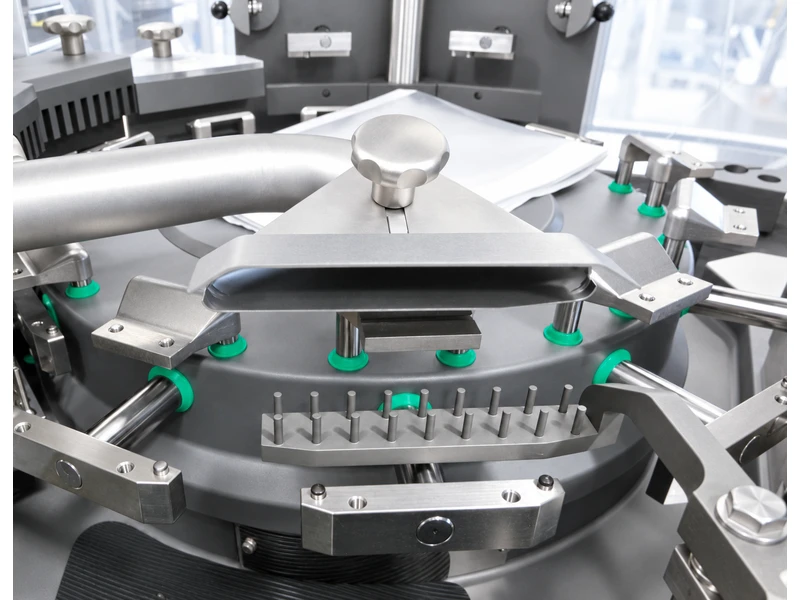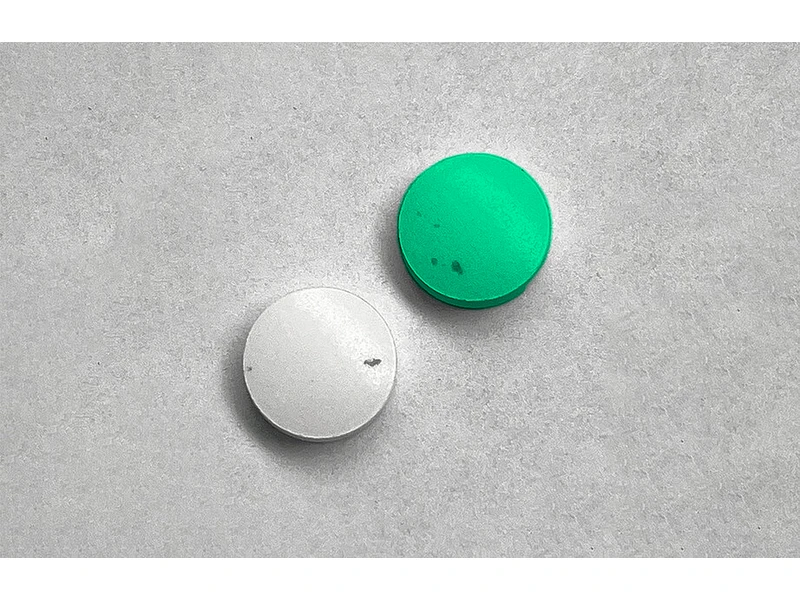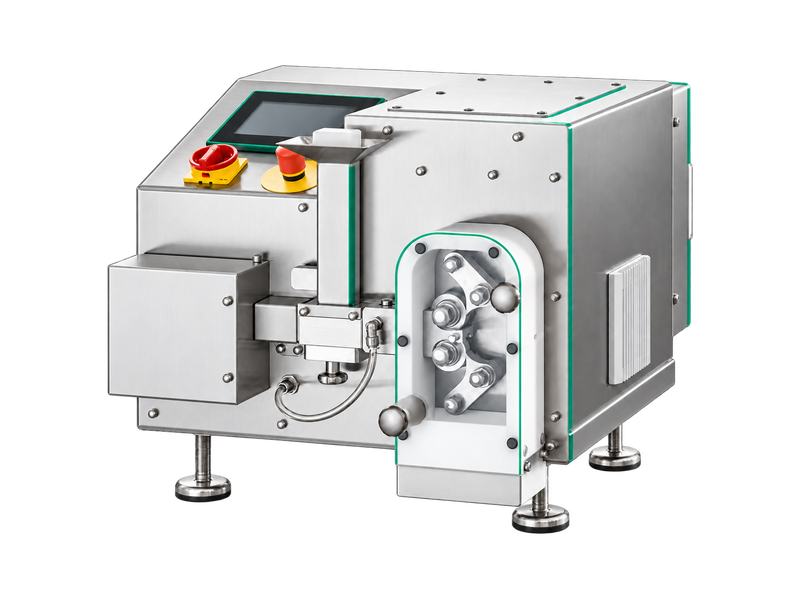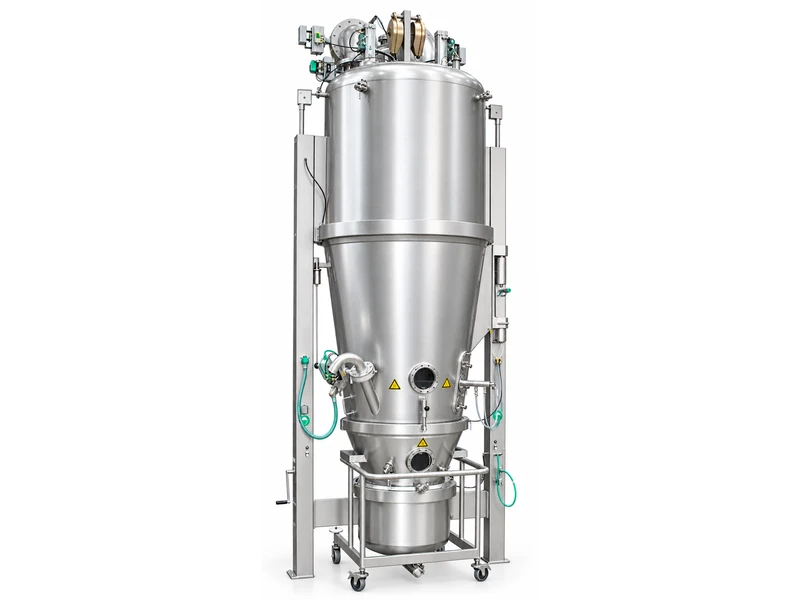
Jet Micron Mill
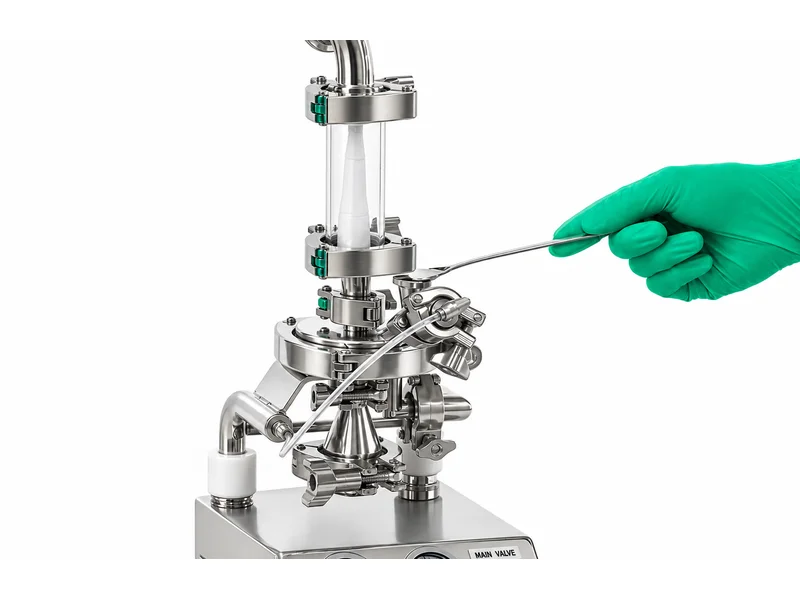
Plan laboratory jet milling trials around particle-size targets, sample quantity, powder characteristics, containment and collection requirements.
Process expertise. Chinese manufacturing. Global perspective.

Explore our solutions
Select laboratory and pilot equipment around the question your development trial must answer. Powder processing, tablet formation, coating and primary-container filling each need a defined input, a useful sample quantity and a measurement that can inform the next scale.
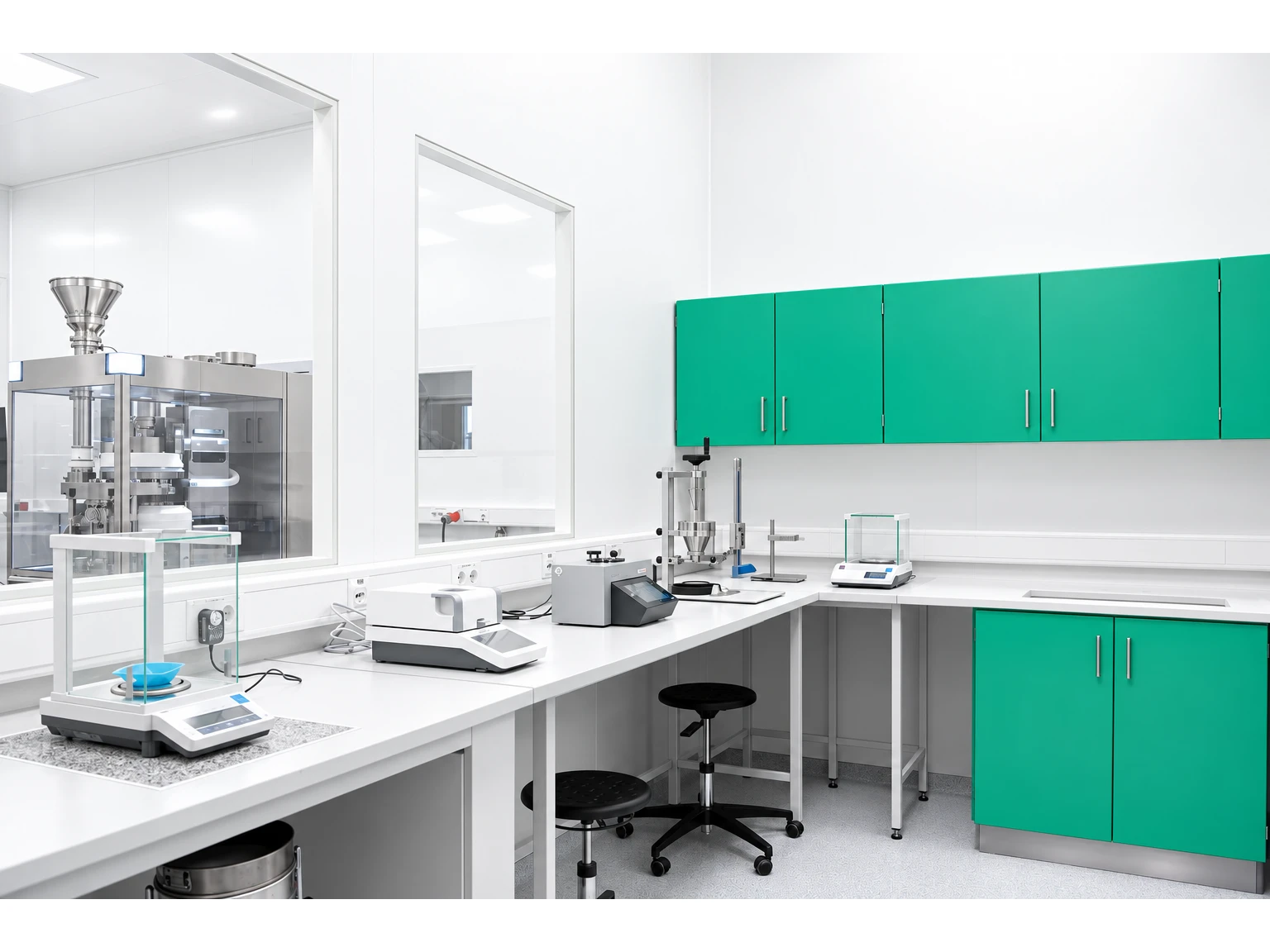
Start with the formulation or component question: powder size, granule behaviour, compaction response, coating performance or filling and closure fit. The smallest machine is useful only when it reproduces the process behaviour being investigated and leaves enough material for analysis.
Plan the development trial
Select the bench operation from the available sample quantity, the measurement to make and the production question it must answer.
6
Powder and tablet development
4
Filling trials by container
—
Process options
Plan laboratory jet milling trials around particle-size targets, sample quantity, powder characteristics, containment and collection requirements.
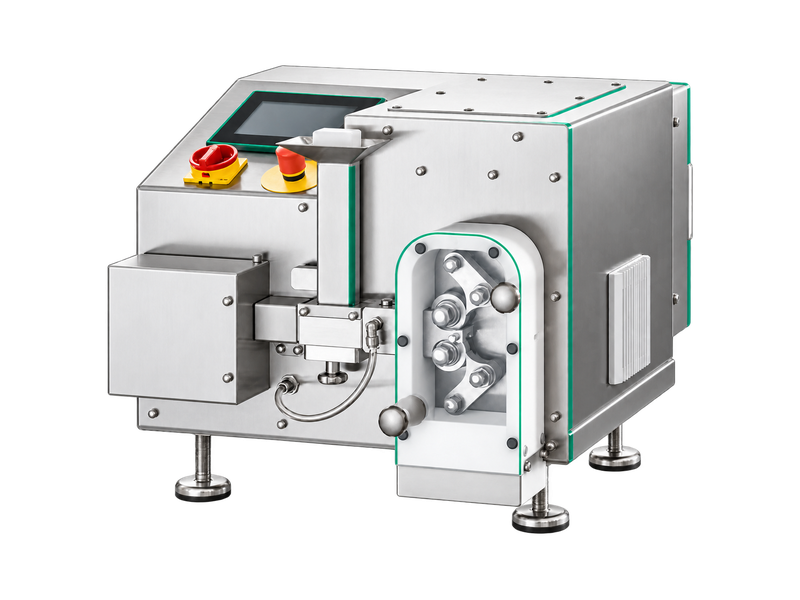
Study dry granulation at laboratory or pilot scale, including feed behavior, compaction and the requirements for scale-up.
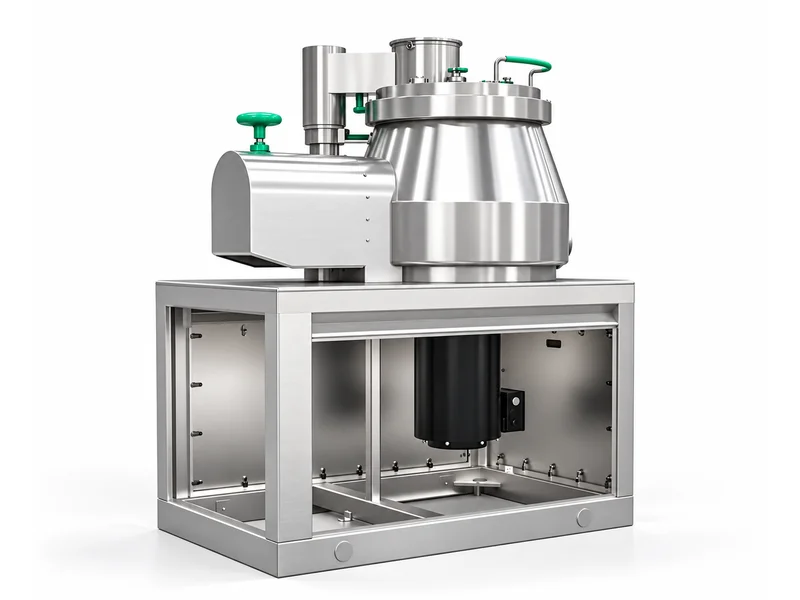
Explore small-batch wet granulation to study formulation and binder addition before defining pilot or production process requirements.
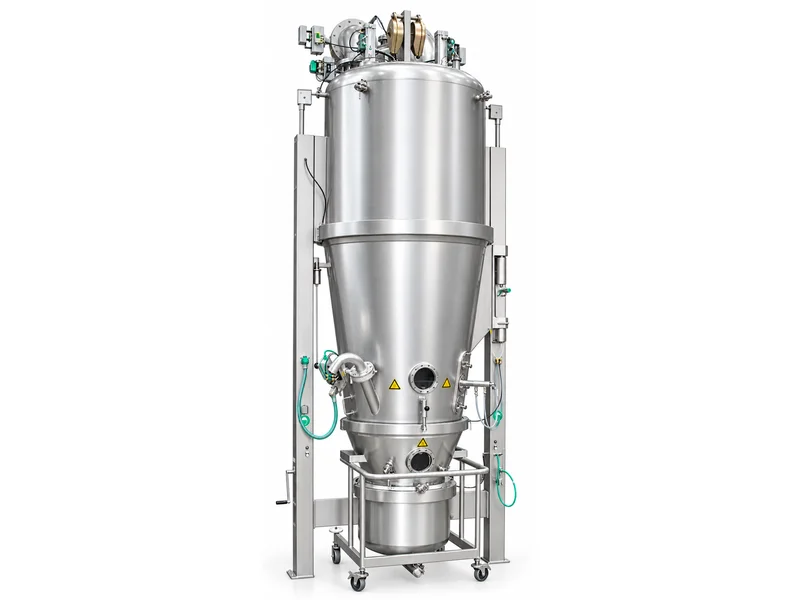
Explore laboratory fluid bed trials for drying, granulation or coating, with formulation needs and production transfer in view.
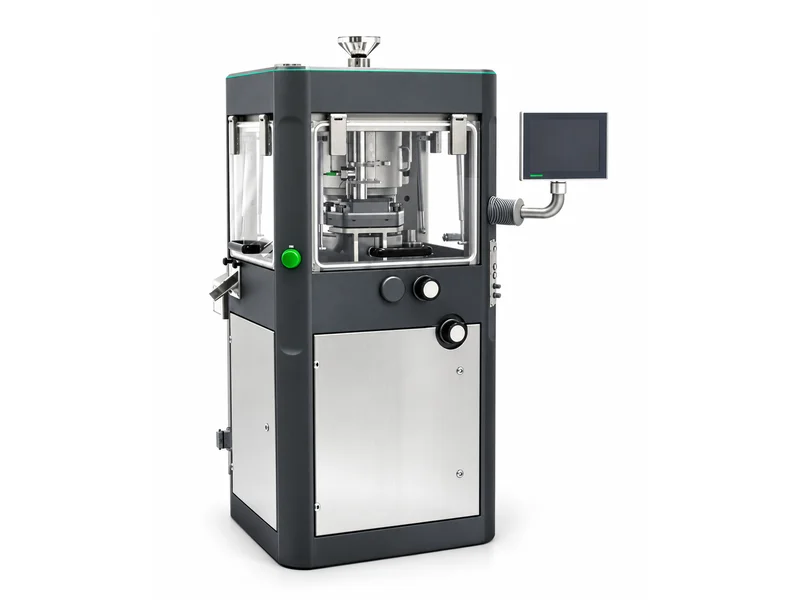
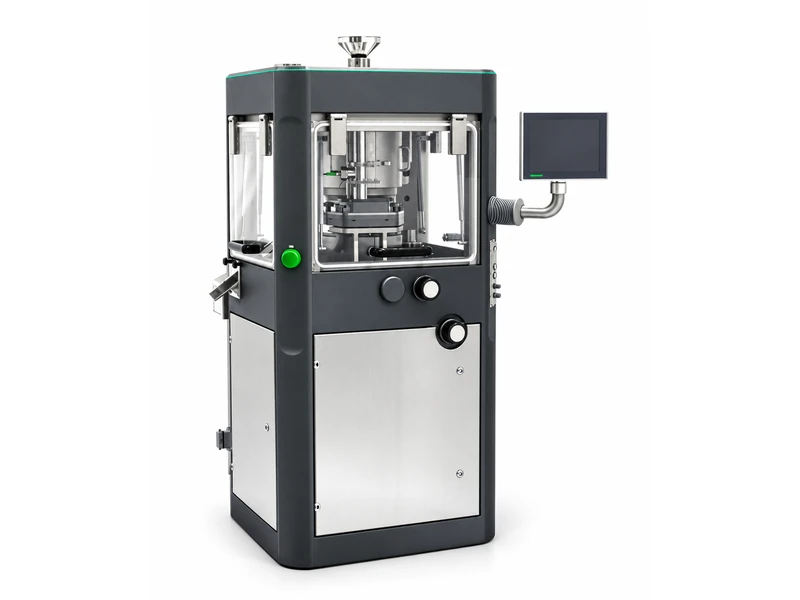
Investigate powder compaction and tablet formation for development work, then relate findings to tablet press and tooling requirements.
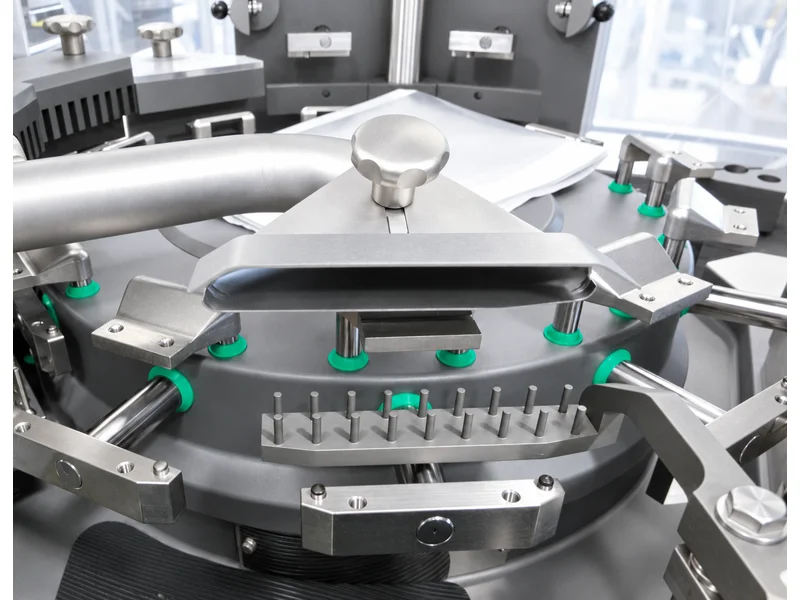
Explore capsule filling for development and pilot batches, including material behavior, small-batch handling and transfer to production equipment.
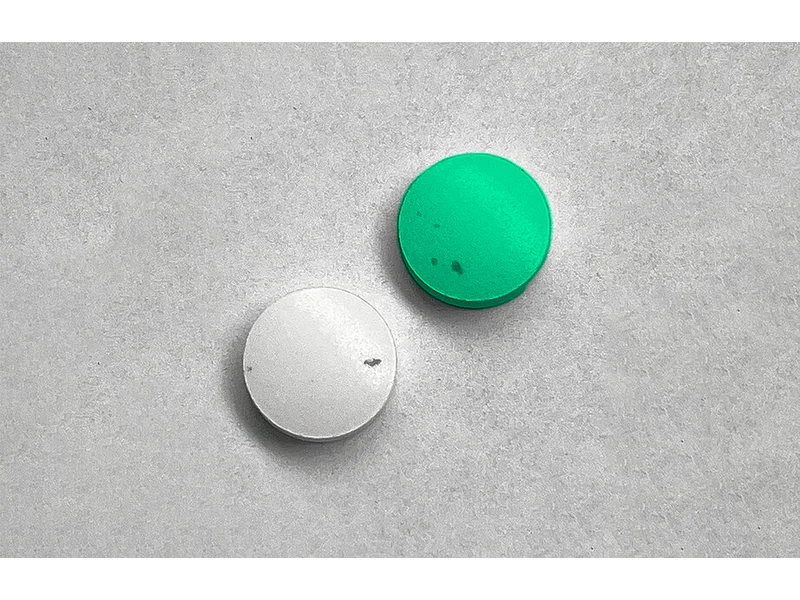
Plan small-batch tablet coating trials around formulation, application and drying needs, with production transfer considered early.
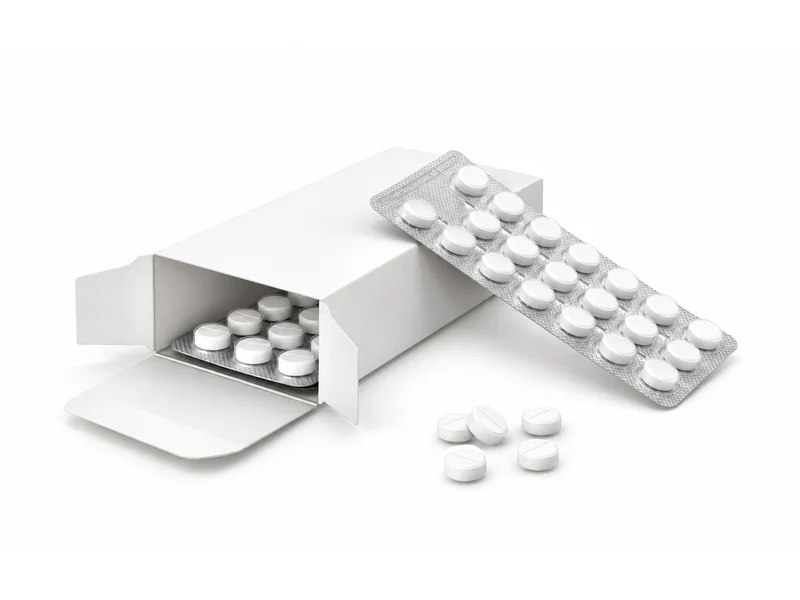
Plan laboratory blister sealing for development samples, including forming materials, pack format and sealing-condition studies.
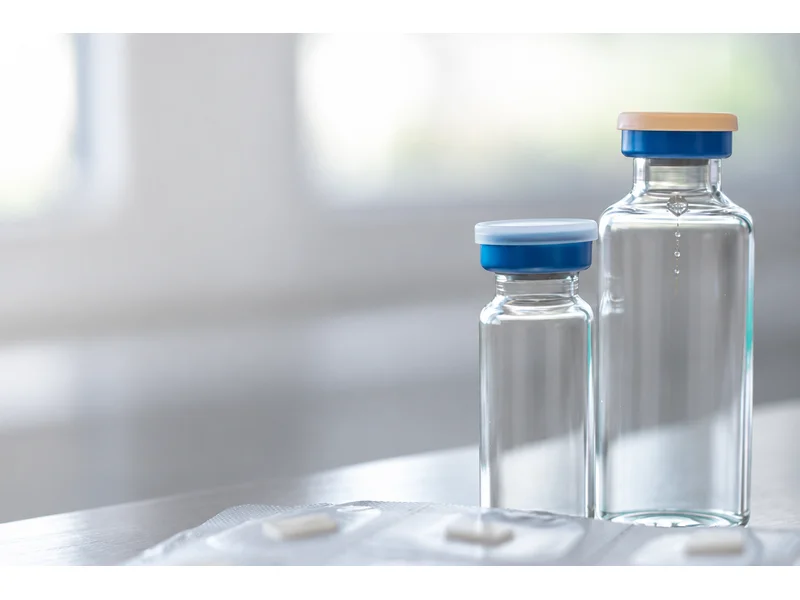
Define laboratory and pilot vial filling for development batches, including small-volume dosing, container handling, closure placement and cleaning.
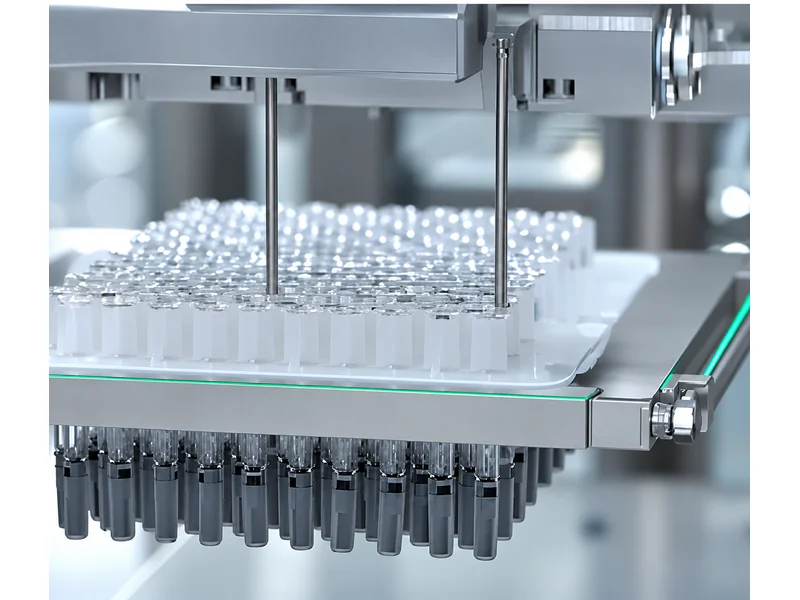
Plan laboratory and pilot prefilled syringe filling with attention to low-volume dosing, syringe presentation, closure insertion and product recovery.
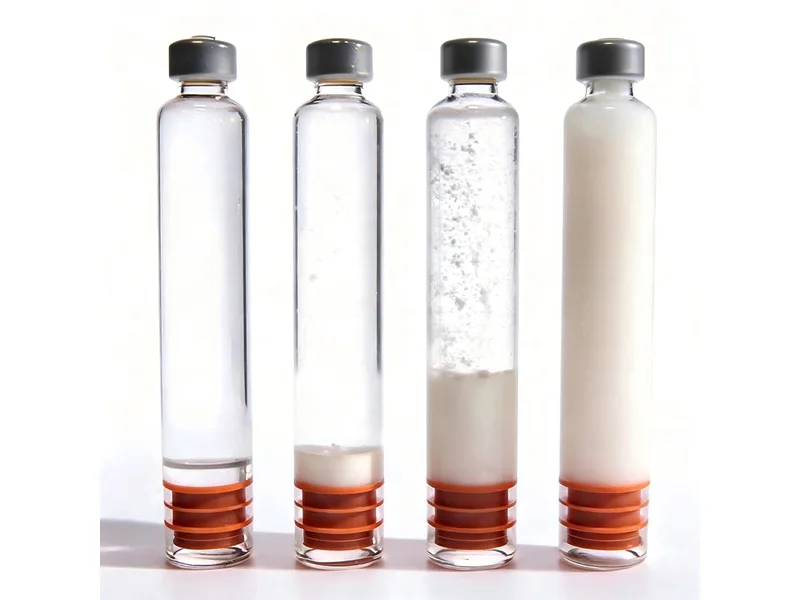
Scope laboratory cartridge filling around cartridge format, dosing, closure handling, trial batch size and interfaces to device development.
Evaluate laboratory high-pressure homogenization using a prepared liquid feed. Compare pressure, pass history, temperature and recovered sample properties; confirm the homogenizing element and fluid-path compatibility.
Carry forward the material identity, equipment configuration, sampling method and measured results. A laboratory condition is a basis for the next trial; it is not an automatic production recipe. Match the operating principle and relevant interfaces before selecting pilot or production equipment.
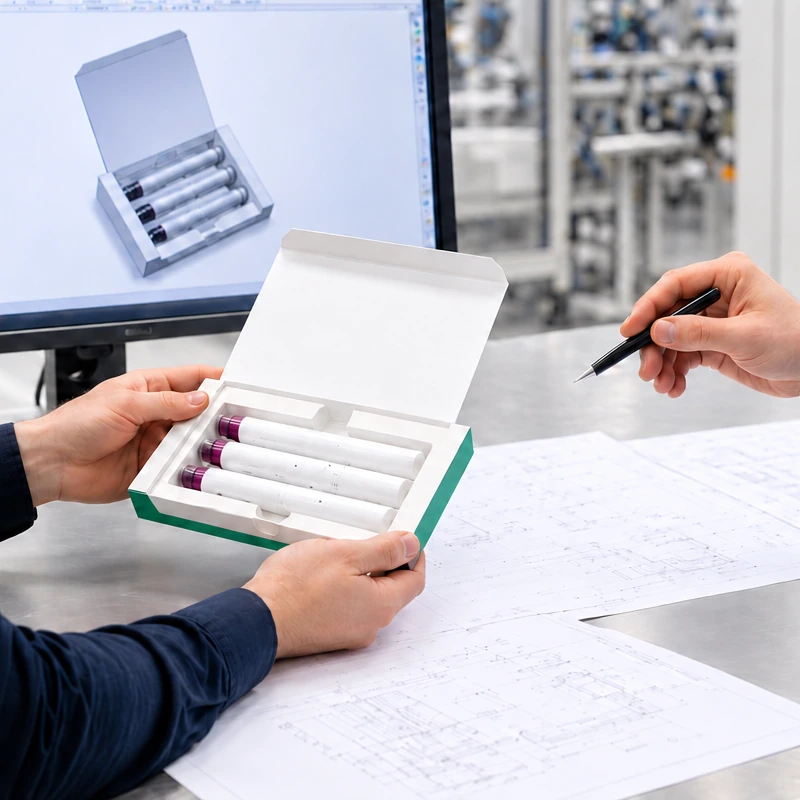

Begin with the formulation decision. A granulation trial explores particle enlargement and handling; a press simulator studies compaction and tablet formation. If both questions matter, define the material handoff and retain a traceable sample from each operation.
Provide the actual container and closure, product properties, dose and available batch quantity. Record startup consumption and residual product alongside accepted units. Keep device-fit or closure tests linked to the component lots and settings used.
Choose a trial scale that exposes the process behaviour of interest while limiting material loss at startup and cleaning.
Learn moreDefine what measurements can be carried forward to the pilot or production equipment.
Learn moreIdentify the contact parts and format tooling for Laboratory & Pilot Equipment. Agree access for cleaning, the spares to hold and the operating records the site will need.
Learn moreShare available sample quantity, trial method and product-contact materials.
Request product information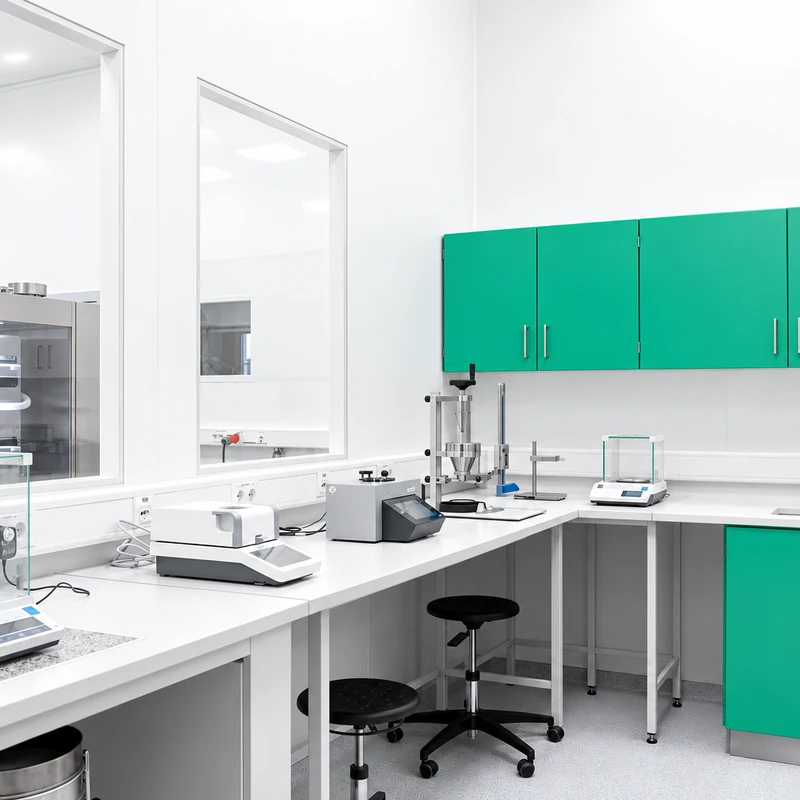
Brochure
Laboratory & Pilot Equipment
Available by enquiry
Request product information2 resources
Allow for equipment hold-up, setup, analytical samples and the material needed for the next operation. Confirm the useful working charge on the selected configuration before committing a scarce formulation.
Some platforms accept different inserts or dosing systems, but each mode needs confirmation. Check the supplied parts, utilities, cleaning method and measurement range for every proposed use.
It addresses a defined production decision with traceable material and settings. Compare the relevant mechanism and measurements with the proposed larger machine, and identify the conditions that still require verification.