Separate pack response from a defect signal
Compare intact samples across the intended fill level and container wall variation. Record surface moisture and temperature with the test settings.
Process expertise. Chinese manufacturing. Global perspective.

Equipment & technology
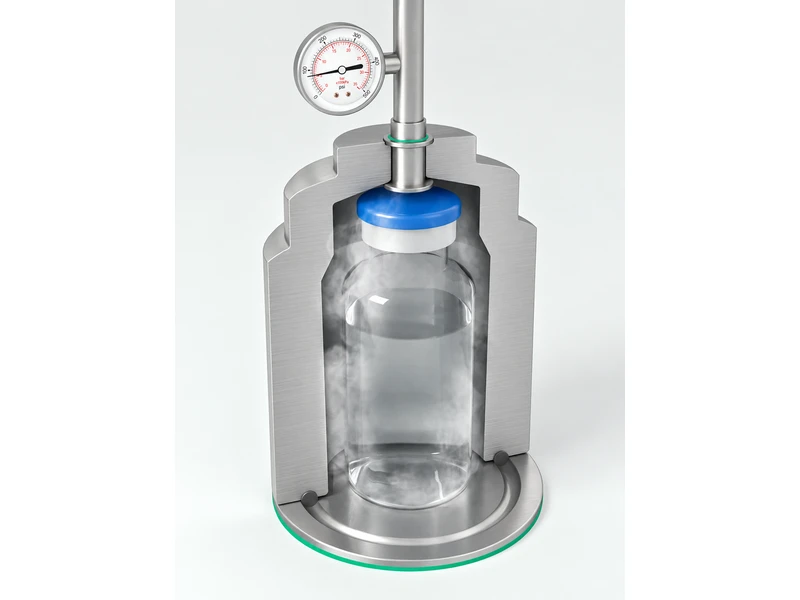
High-voltage leak detection uses electrical response across a suitable filled container to identify paths that differ from intact references.
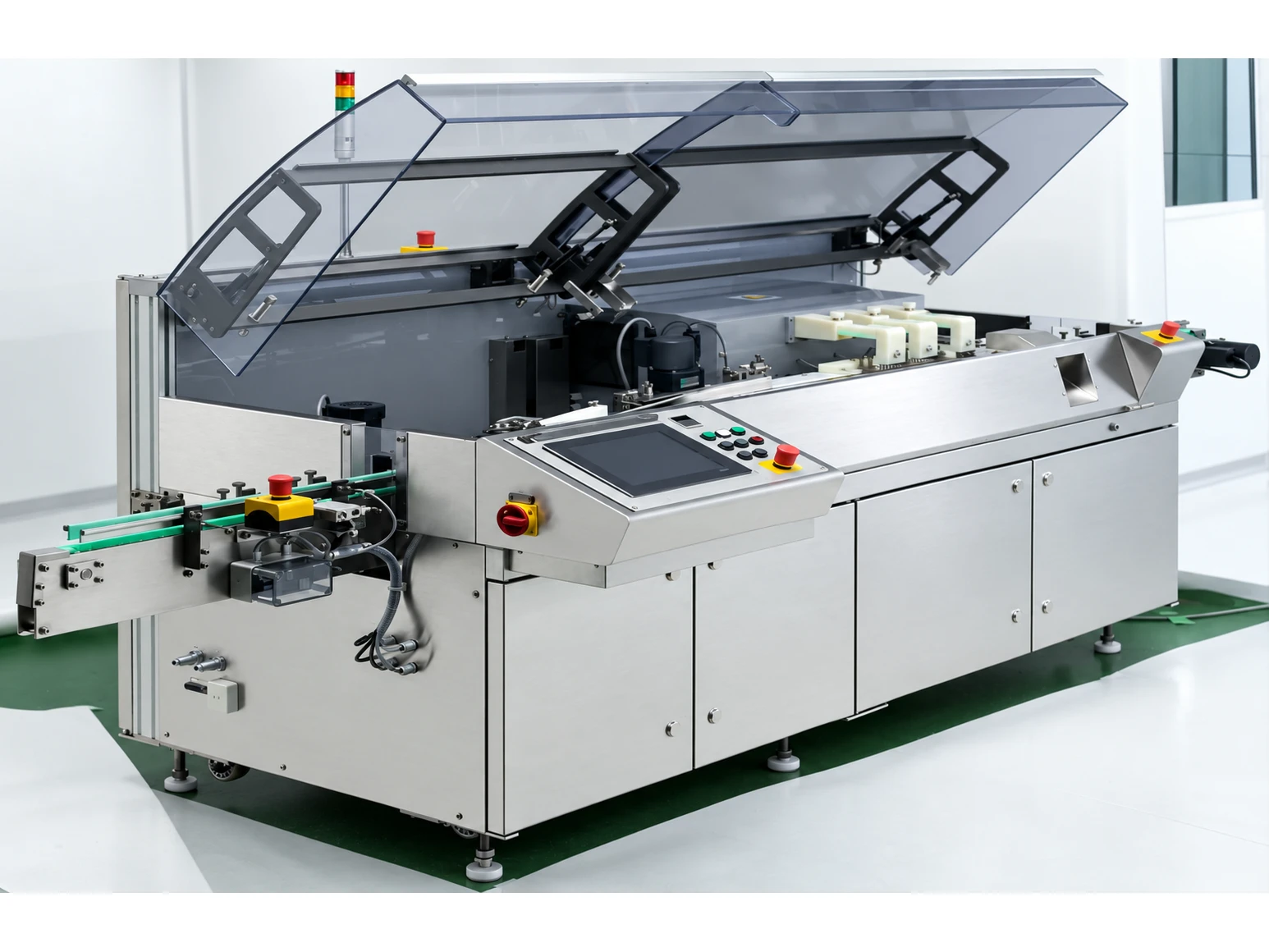
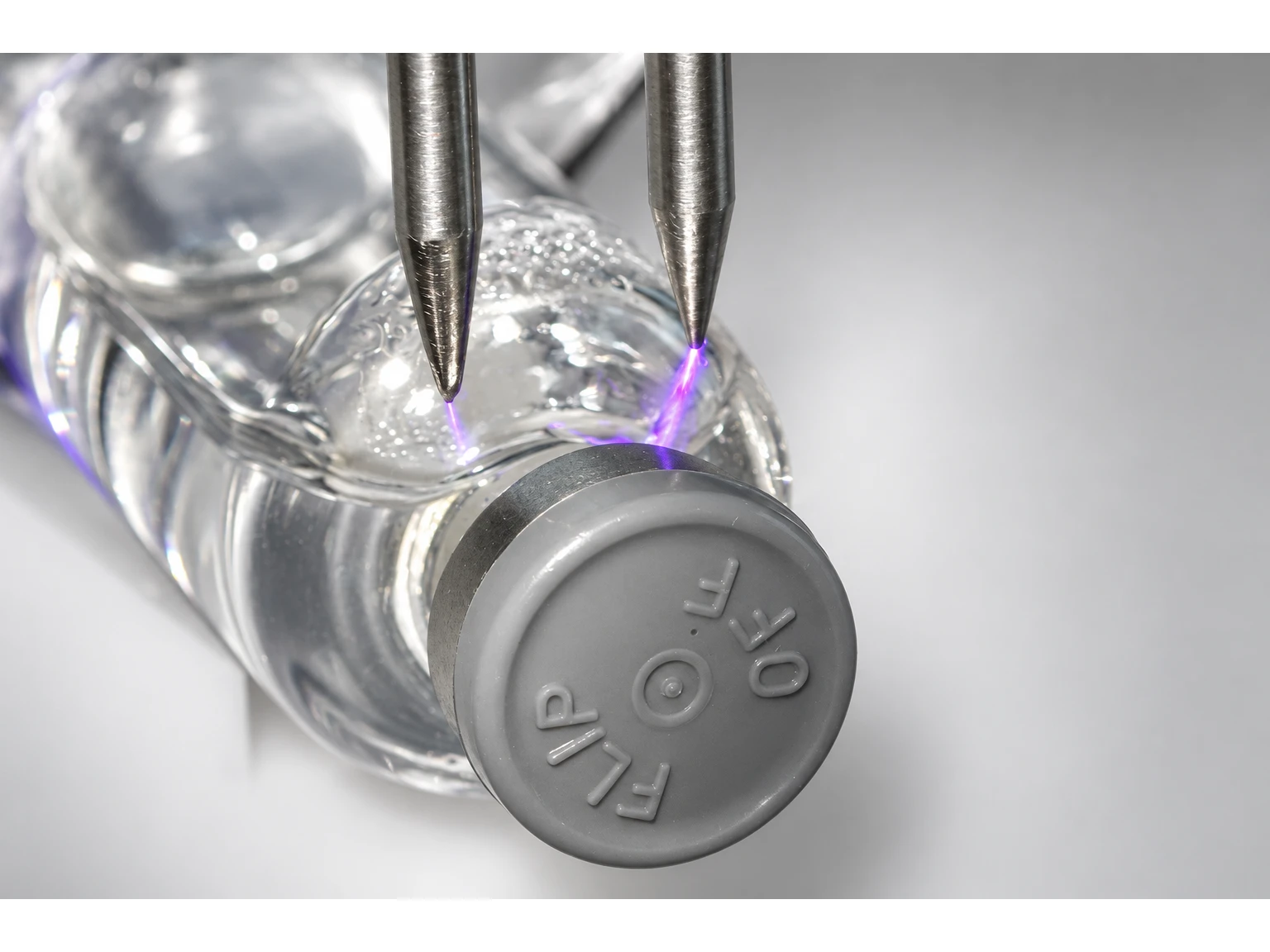
High-voltage leak detection screens a sealed, liquid-filled container by measuring its electrical response. The fill, wall, closure, electrode coverage and surface condition affect that response. Use intact and characterized challenge packs in the actual format to establish whether the method is suitable.
Example project input
Each example pack has one characterized defect. Additional intact controls and repeat runs are agreed separately. This count does not specify a detection limit.
3
Defect locations in the trial
6
Challenge packs per location
18
Identified challenge packs
—
Process options
Compare intact samples across the intended fill level and container wall variation. Record surface moisture and temperature with the test settings.
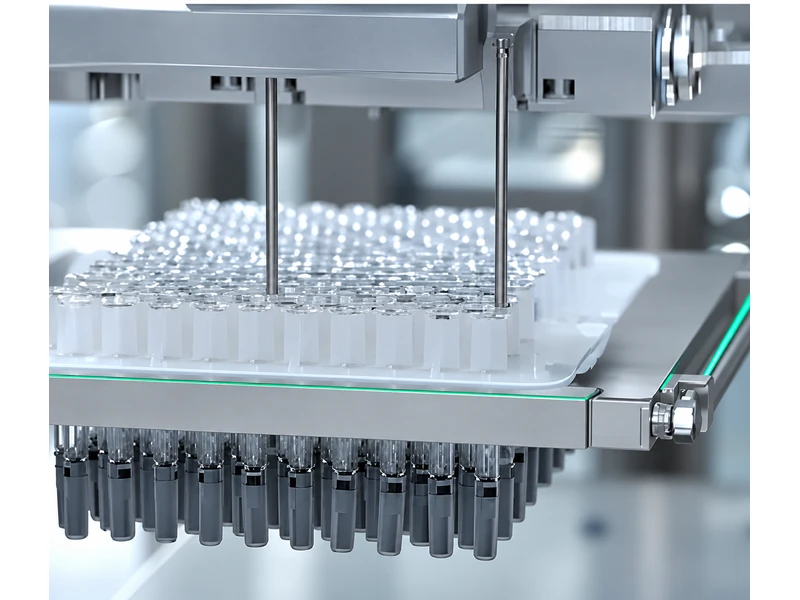
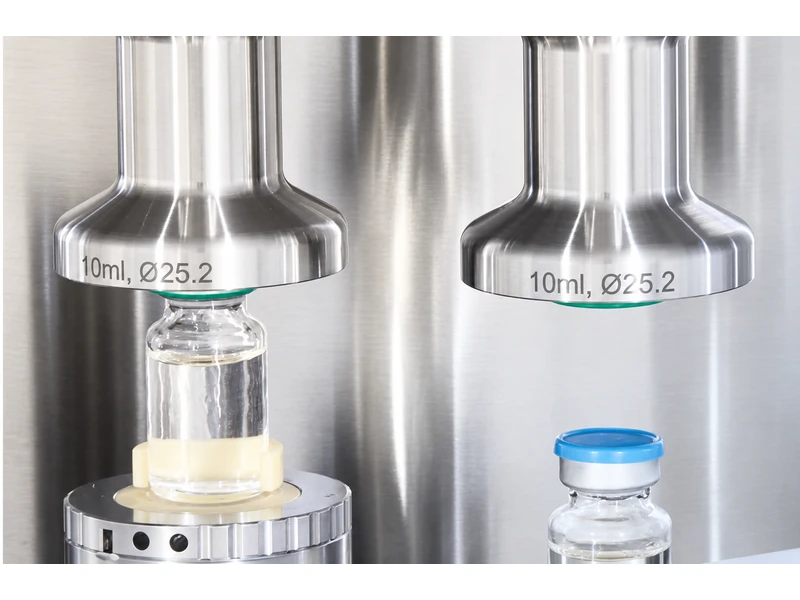
Map the electrode path over the barrel, heel, shoulder and closure areas to be assessed. Identify any area that needs a different orientation or method.
Assign each reference sample an identity before infeed. Verify the electrical decision and the physical outcome at the reject outlet.
| Item to qualify | Evidence needed |
|---|---|
| Container and liquid | Material, wall geometry, closure, fill level, conductivity test basis and sample conditioning. |
| Reference defects | Known defect location and size, independent characterization, intact controls and handling history. |
| Detection threshold | Agreement on the decision signal and the procedure for assessing detection probability and false rejects for the actual format. |
| Electrodes and transport | Electrode arrangement, container motion, exposure at the intended speed and the areas covered. |
| Batch and reject records | ID of the challenged sample, recipe, test decision and confirmation at the reject outlet. |

Select intact containers and characterized defect samples in the intended format. Apply the same conditioning and fill level, and keep each result linked to its sample.
Compare the electrical response of representative filled packs under the agreed temperature and surface conditions. Repeat the study when the formulation or container changes.
Place known challenge defects at different locations on the pack and track each position through the electrode arrangement. Identify regions that are not reliably covered.
Retain rejected intact controls and compare their surface condition, presentation, fill and test settings with accepted controls. Document changes before repeating the trial.
Trace identified packs from the measurement station through the reject device. Reconcile the test decision with the sample physically collected.
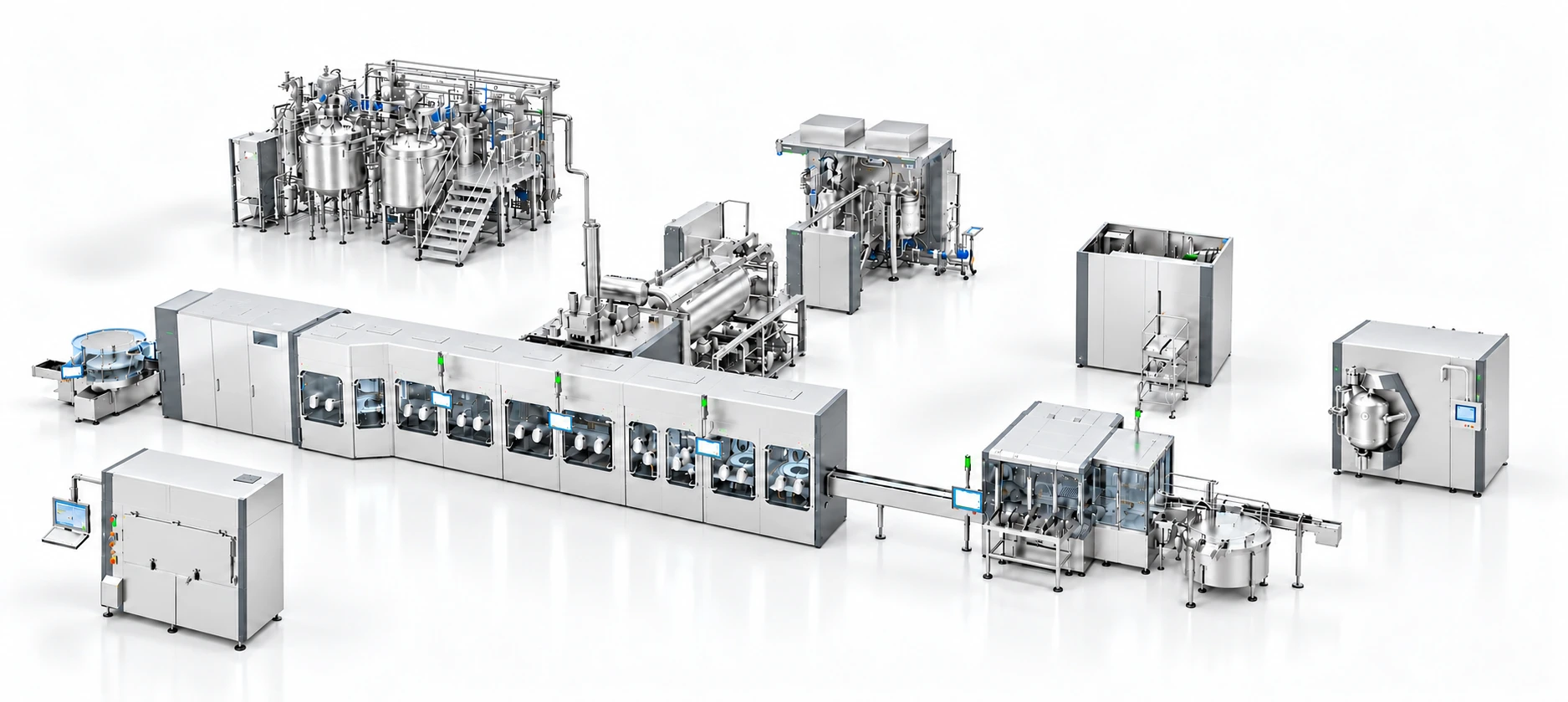
Production line · Equipment context
Explore the process areas on the production line associated with this equipment.
Follow the preparation, washing, tunnel and vial filling stations. The separate drying equipment serves lyophilized presentations. The line provides process context; the individual product is not identified as a separate station in this view.
Related production lines: Liquid Vial Filling & Packaging Lines · Antibody-Drug Conjugate Manufacturing & Fill-Finish · GLP-1 Filling & Drug-Delivery Equipment · Lyophilized Vial Production Lines · Pharmaceutical Cartridge Filling Lines
Define the state of the pack after closure, washing or drying. Agree orientation, spacing, surface condition and time from closure to the electrical test.
Send accepted packs to the specified labeling or packing step. Agree how rejects are retained, reconciled and linked to test records.
Product conductivity, container material and electrode contact geometry determine method feasibility.
Learn moreChallenge the setup with characterised reference samples and confirm that the reject mechanism follows the tested unit.
Learn moreIdentify the contact parts and format tooling for High Voltage Leak Detection (HVLD). Agree access for cleaning, the spares to hold and the operating records the site will need.
Learn moreShare container and closure format, product characteristics and reference defects and test arrangement.
Request product information
Brochure
High Voltage Leak Detection (HVLD)
Available by enquiry
Request product informationCase
High Voltage Leak Detection (HVLD)
Available by enquiry
Discuss project references2 resources
Ask for the method study for the specified container, fill and defect location. A size quoted for another sample cannot establish the limit for this pack.
Compare wall geometry, closure, product and electrode coverage on each format. Define the evidence required before a recipe is shared.
Choose a position where the pack is closed, its surface condition is controlled and it can be oriented correctly. Allow access for known challenge samples and reject checks.
Specify format, target speed, test zones, sample set and the required electronic records. Agree the acceptance method before selecting tooling and electrode positions.
Review the product and pack with the method team. Consider another integrity method and compare performance on representative intact and challenge packs.
Send the container and closure drawings, liquid properties, required test regions and available reference samples. Identify the proposed position between closing and the next packing operation.
Discuss your project