Skip to content

Process expertise. Chinese manufacturing. Global perspective.

PREASYS

Equipment & technology

Gummy Molding

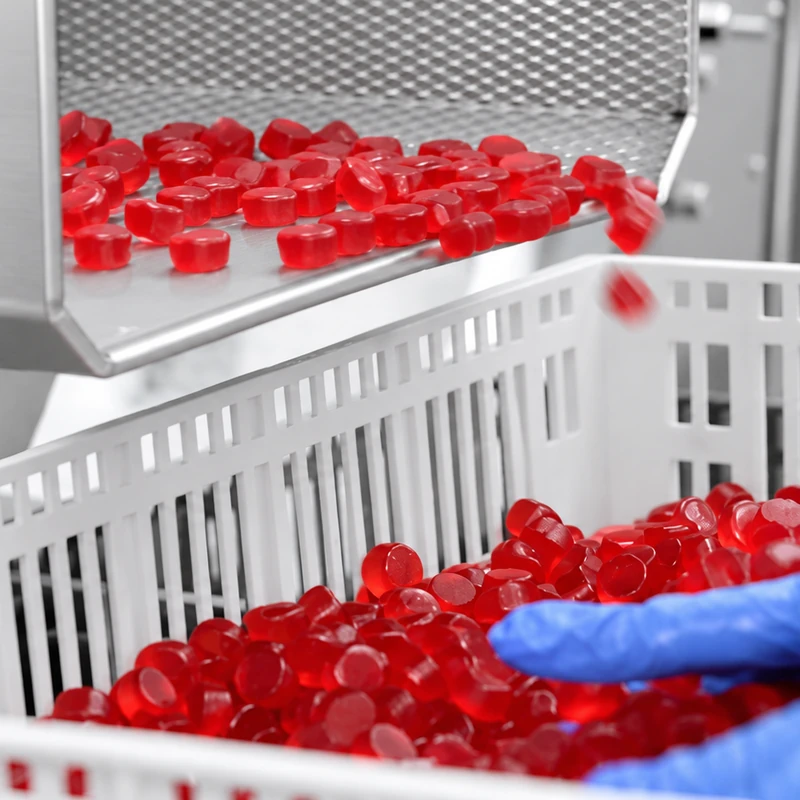
Gummy molding deposits conditioned mass into cavities, allows the formulation to set and releases the pieces into the selected finishing and packing route.

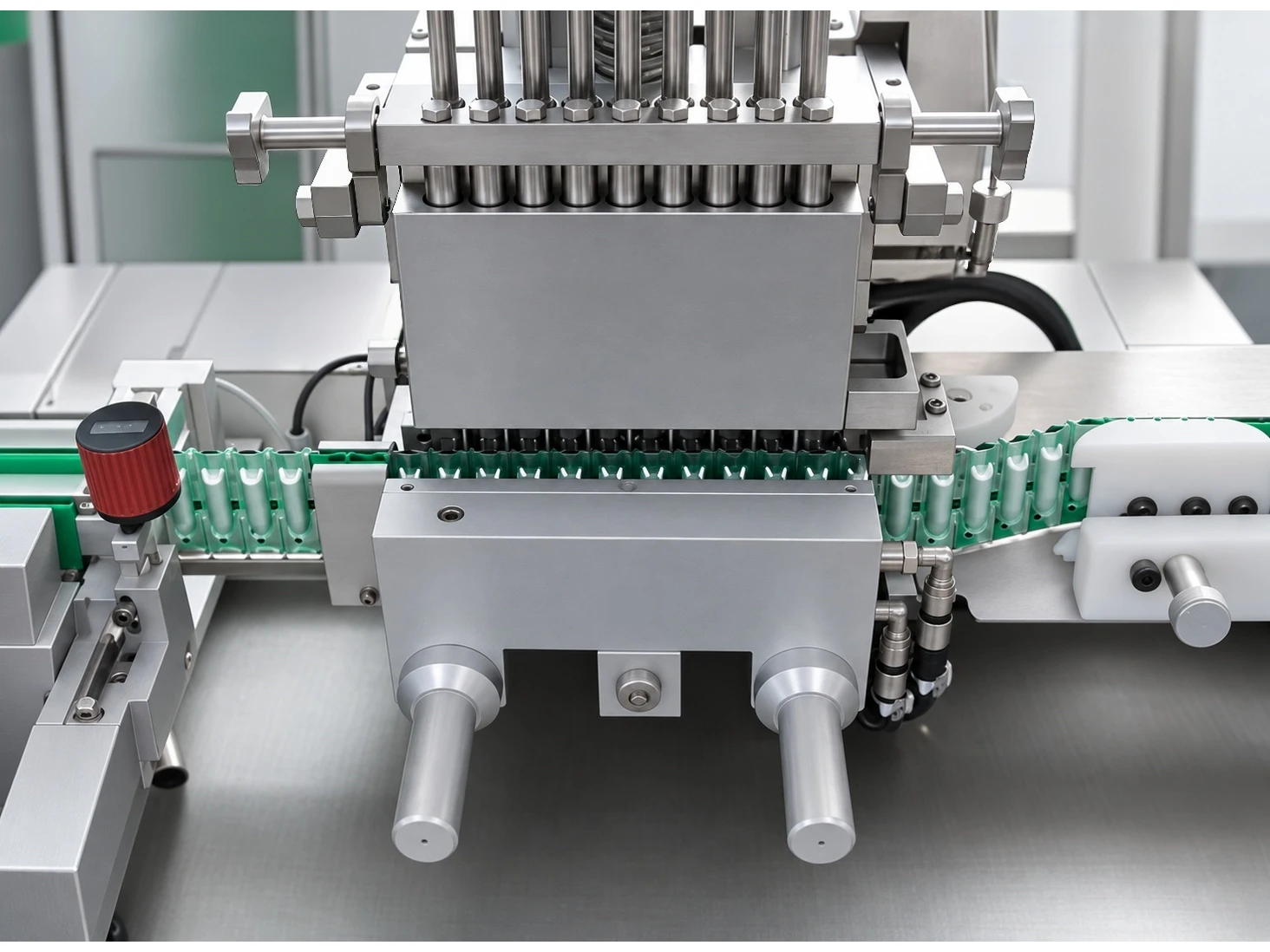
Array of nozzles aligned with a moulded suppository strip

Gummy Molding

From conditioned mass to a molded piece

Match the deposit and release sequence to the gel system

The depositor meters mass into aligned cavities while its temperature still permits flow. The mold supports the shape as the product sets; release then transfers the piece without unacceptable distortion. A reusable-mold route and a starch-based route have different handling and conditioning requirements and are selected for the intended formulation.

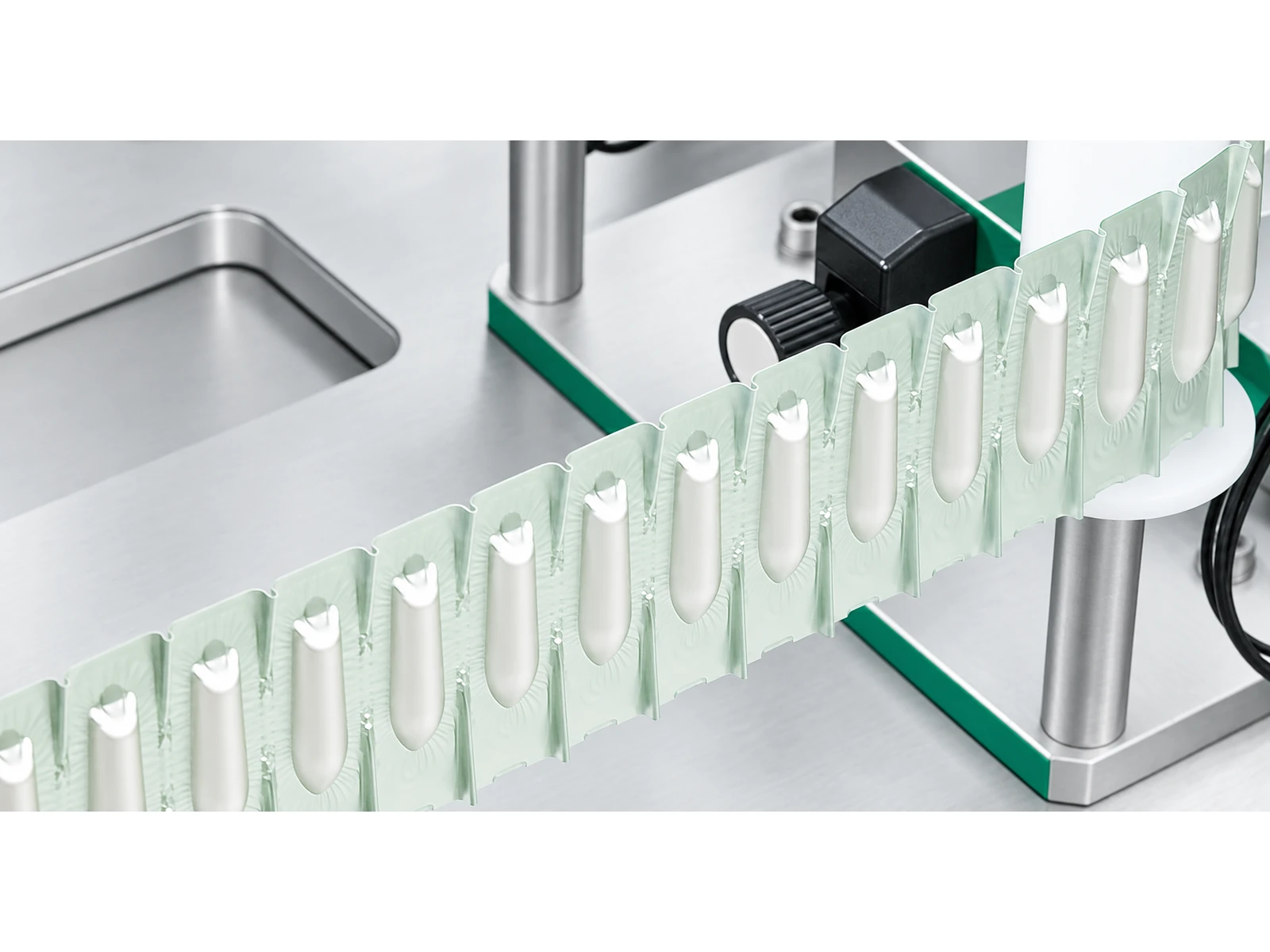
Formed suppository cavities advancing below the dosing section

Process at a glance

Piece mass, setting and release are assessed together with the actual formulation and cavity layout.

Deposit

Meter the conditioned mass into its selected mold

Process challenges

Reusable molds avoid the starch-bed operation, but they still require effective cleaning and controlled product handling.

Read details

Reusable molds avoid the starch-bed operation, but they still require effective cleaning and controlled product handling.

Release depends on the gel strength, mold surface and demolding motion. A piece that has not reached its handling condition may stick or deform.

Deposit mass depends on the metering cycle and the condition of the mass at the nozzle. Different cavity positions are assessed separately.

Setting is a product process, not a fixed property of the depositor. Geometry, formulation and thermal conditions determine the useful residence time.

Functional ingredients introduce content and uniformity requirements in addition to appearance and mass checks. Molding alone does not establish those attributes.

A filled or layered piece needs a coordinated multi-stream deposit. Relative viscosity and timing influence the internal structure.

Mold change and product change affect different parts of the line. The nozzle path and retained colour require clearance as well as tooling replacement.

Technical data & features

The mould geometry, fill temperature and cooling path depend on the formulation and its release behaviour.

Formed suppository cavities advancing below the dosing section

Mold and depositing choices

Reusable molds define cavity geometry and the release surface. Their material, release treatment and cleaning condition affect the resulting piece.

A starch-based route forms cavities in prepared starch and requires its own tray, conditioning and starch-handling equipment. It is a separate process choice.

Single-mass or combined deposits use tooling matched to the intended piece structure Setting time follows formulation, piece geometry and the thermal path Release feeds the selected finishing step; oiling, polishing or coating are optional Access to molds, dosing passages and contact surfaces supports cleaning and inspection

Coordinate deposition, setting and release

Choice Reusable-mold route Starch-based route
Cavity Defined by the mold surface Formed in the prepared starch bed
Deposit Matched to cavity and mass condition Matched to cavity and mass condition
Setting Formulation-specific residence and temperature Formulation and starch-conditioning interaction
Product structure Selected single or combined deposit Selected single or combined deposit
Release Mold-specific release method Tray discharge and starch separation
Cleaning boundary Molds and depositing contact parts Depositor plus starch-handling system

How it works

Evaluate depositing, setting and release

How is deposit variation investigated?

Compare samples by nozzle and cavity position at the same mass condition. Record temperature, supply and cutoff before changing the metering setting.

How is the release point established?

Condition pieces for defined intervals, then assess deformation, tack and shape after release. The earliest acceptable release point must still support the next conveyor or finishing step.

How are combined deposits evaluated?

Compare the relative stream quantities and timing, then examine the internal structure of identified pieces. Similar external shapes can hide different filling or layer placement.

How should a mold change be verified?

Identify the mold and recipe, check nozzle alignment and evaluate the first deposits for mass, shape and release. Inspect the mold surface for residue or damage.

Line integration

Conditioned gummy mass → Selected depositing, setting and release sequence:

Mold preparation → Selected deposit sequence → Setting → Release

→ Oiling / polishing / coating (optional) ↓ Conditioned gummy pieces → Selected count- or weight-based packing → Case packing

Prepared mass at the depositor

Released pieces enter the selected finishing and packing route only when their surface and shape suit the next handling step.

Cleaning and environmental requirements follow the product and selected molding route

Recipe, mold and batch identity

Support throughout your project and production

Define the equipment scope

The mould geometry, fill temperature and cooling path depend on the formulation and its release behaviour.

Learn more

Agree the acceptance test

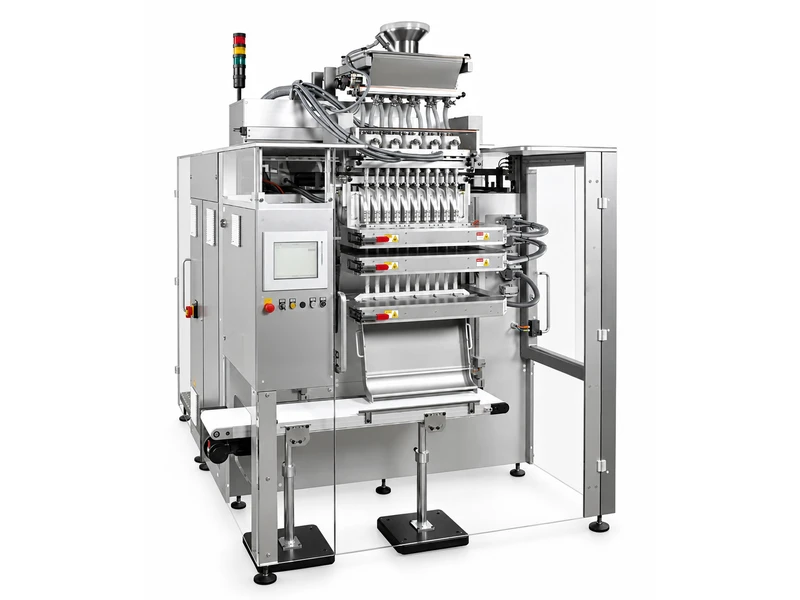
Assess piece mass, shape, tack, setting and release before selecting the finishing and packing handoff. Discrete gummy pieces need suitable handling and counting or weighing; they are not pumped into bottles as bulk gel.

Learn more

Prepare for operation

Identify the contact parts and format tooling for Gummy Molding. Agree access for cleaning, the spares to hold and the operating records the site will need.

Learn more

Knowledge hub

2 resources

Frequently asked questions

Is starchless molding automatically faster?

No. It changes mold handling and removes the starch-bed stage, but the formulation still needs sufficient setting time. Accepted output depends on that complete route.

Can every gummy have a liquid centre?

A combined deposit needs compatible shell and centre behaviour during depositing, setting and storage. The desired structure is developed with the actual materials.

Are oiling or coating mandatory?

No. They are finishing choices for the product surface and presentation. The packing interface must suit whichever finished surface is selected.

Contact

Share the gel system, piece drawing, intended internal structure and the mass condition at depositing. Include setting, finishing and packing requirements.

Discuss your project →
Formed suppository cavities advancing below the dosing section