Skip to content

Process expertise. Chinese manufacturing. Global perspective.

PREASYS

Equipment & technology

Dissolution Tester

A dissolution tester produces a controlled environment in which drug release can be measured over time. The apparatus, medium, agitation and sampling procedure work together; the analytical result is meaningful only when the sample history and method conditions remain traceable.

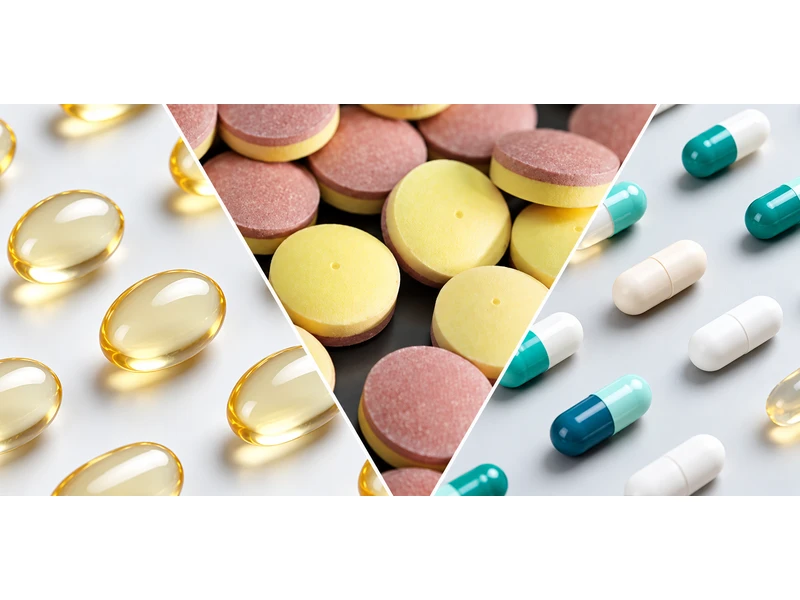
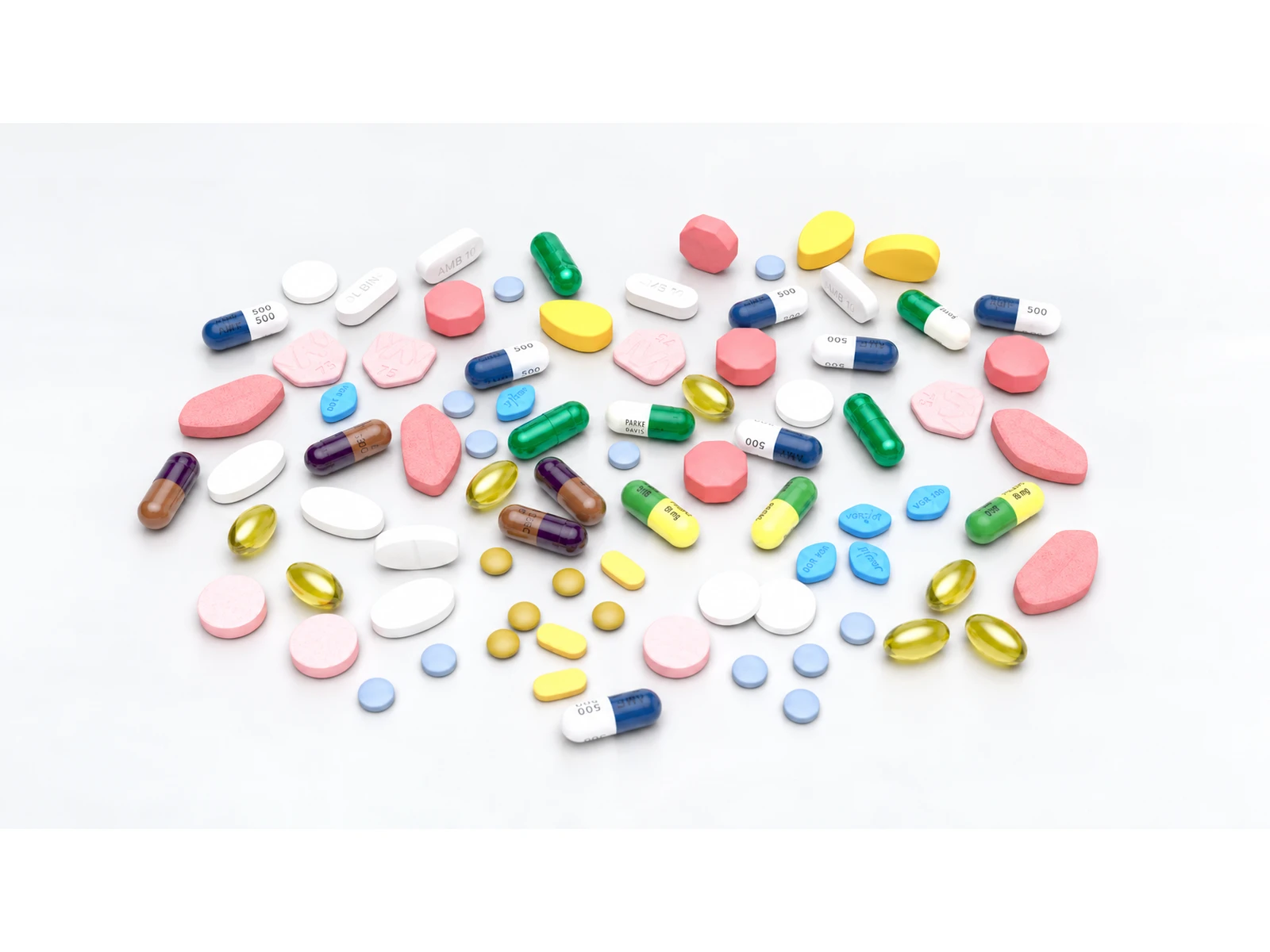
Assortment of tablet shapes and capsule formats
Process context · Assortment of tablet shapes and capsule formats

Dissolution Tester

Controlled release testing and traceable samples

Connect apparatus conditions, sampling and analysis

The dosage unit releases drug into a defined medium while the apparatus maintains the specified movement and temperature. Samples taken at known times are filtered and analysed using a suitable method. Vessel geometry, deaeration, alignment, sampling position and handling can affect the profile, so automation must preserve the validated method rather than simply move liquid faster.

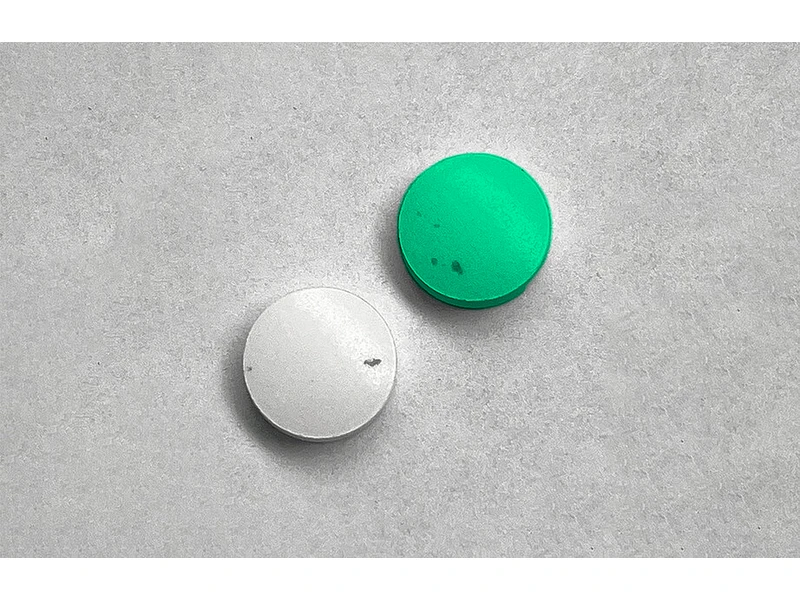
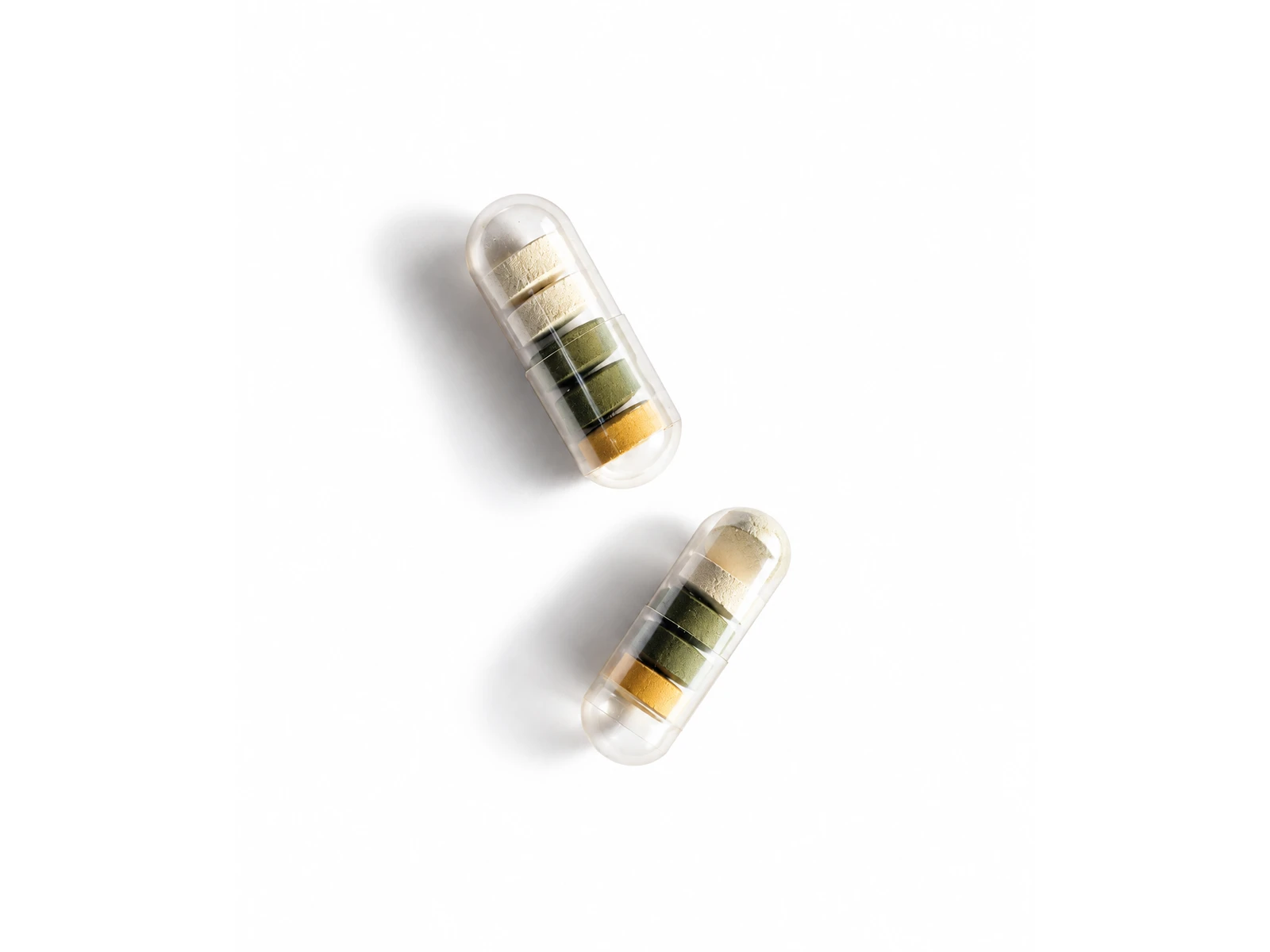
Opened capsule showing the material held inside its shell
Process context · Opened capsule showing the material held inside its shell

A connected measurement chain

Apparatus control, sampling and analysis each contribute to a trustworthy release profile.

Apparatus

Method-defined movement and vessel conditions

Sampling

Known timepoints and controlled sample handling

Analysis

Concentration results linked to the original sample

Process challenges

Manual and automated sampling both require controlled timing, sample identity and handling.

Read details

Sampling time: elapsed time is part of the result. Record collection timing and account for any delay introduced by tubing or a collection sequence.

Temperature: verify the condition in the test vessels, including equilibration before the dosage unit is introduced.

Agitation: speed, shaft alignment and apparatus geometry influence the hydrodynamic conditions around the dosage unit.

Data history: link apparatus conditions, sampling events and analytical results through a controlled record and review process.

Method setup: choose the apparatus and parameters required by the product method and review changes before a run.

Medium preparation: composition, volume, temperature and gas content can affect wetting and release behaviour.

Dosage introduction: define the start event and avoid inconsistent handling or delayed release from a dosing device.

Analytical transfer: sample labels, volumes and timing must remain linked when samples move to offline analysis.

Cleaning: assess residues in vessels, shafts and any sampling lines, especially where an automated path is reused.

Workload: parallel runs require sufficient preparation, sampling and analysis capacity as well as vessel positions.

Workflow consideration Technical assessment
Sampling timepoints Include collection timing, line transit and any sequencing delay.
Test temperature Measure the vessel condition rather than relying only on a heater setpoint.
Agitation Verify speed, geometry and alignment with the specified apparatus.
Data review Retain traceable conditions, sampling events and analytical results.
Method entry Control approval and changes to product-specific parameters.
Medium preparation Verify composition, volume, temperature and the required deaeration procedure.
Dosage introduction Define and record the start event for each position.
Analytical linkage Maintain identity from vessel and timepoint to reported concentration.
Filtration Evaluate adsorption, retention, compatibility and carryover.
Parallel runs Match testing capacity with preparation, collection and analysis capacity.

Technical data & features

The apparatus, medium, agitation and sampling schedule belong to the product method and should be defined together.

Opened capsule showing the material held inside its shell
Apparatus and vessel selection Select the number of test positions for the method and workload, including any separate reference or blank requirements. Basket, paddle and other apparatus types create different conditions and cannot be exchanged without a justified method. The installed footprint includes access for vessels, shafts, temperature checks and maintenance. A manual sampling arrangement can be appropriate when timing, identification and sample handling are controlled.

Method execution and records

Method setup should make apparatus type, medium, speed, temperature and sampling times clear to the operator.

Electronic records should retain relevant actions, changes and run events with attributable identities and timestamps.

Permissions and method approval distinguish routine operation from authorized changes; backup and restoration must be tested for the configured system.

Data export should preserve identifiers, units, timepoints and any excluded or repeated measurements.

Apparatus accessories are chosen for the particular method and dosage form. Their fit, alignment and contact materials form part of the configuration review.

Select agitation capability and vessel volume against the required method, then verify performance on the installed apparatus.

Heating and bath design should allow stable conditions without introducing unacceptable vibration into the test.

Automatic dosage introduction or sampling is a separate capability that must be evaluated for the method.

Installation checks include bench support, services, access and environmental conditions.

Parallel testing

Multiple vessel positions require consistent mechanical and temperature conditions, with each position identifiable in the record.

Parallel batches are comparable only when their method, preparation and actual conditions support that comparison.

Automated sampling and preparation

The automation sequence must provide sufficient time for preparation, testing, sampling, analysis and cleaning between runs.

Sample collection timing includes transit through the fluid path. Evaluate delay, carryover and the effect on the requested profile.

Automatic medium preparation and cleaning require verification of volumes, composition, residuals and fault handling.

A medium-change method needs a controlled removal and addition sequence with an appropriate calculation basis.

Filter selection must address drug adsorption, particle retention and compatibility. Validate the filtered sample against the analytical method.

Sample-handling accessories are selected for the dosage form; floating, sticking or aggregation may require method-specific provisions. System suitability and apparatus verification assess different parts of the measurement chain and should be recorded separately.

Reference standards and analytical checks should remain identifiable through the automated sequence.

A pump, sampler and analytical instrument form a connected measurement path. Their timing, volumes, identification and data transfer must be evaluated together.

Software and analytical interfaces

Software scope should identify which devices it controls and how it handles pauses, faults and interrupted runs.

Review the configured audit history, permissions, calculations and result approval process against the laboratory requirements.

LIMS or report transfer needs verified field mapping and a clear procedure for failed or repeated transmissions.

How it works

How should an automated sampling path be evaluated?

Measure transit time, delivered volume and carryover using the intended tubing and filter. Compare sampled results with a suitable reference procedure and account for replacement medium where the method requires it.

How can apparent profile variation be investigated?

Review medium preparation, temperature, agitation, dosage introduction and sampling history before assigning the change to the formulation. Preserve individual vessel results rather than only a mean curve.

How should the apparatus be prepared between products?

Clean and inspect vessels, shafts, baskets and sample-contact lines. Verify assembly and method setup after reinstallation; residues or alignment changes can affect the next run.

Line integration

Laboratory workflow and interfaces

Stand-alone manual testing uses the method-specific apparatus with controlled sampling, sample identification and analysis. Any electronic export or laboratory-system connection is defined and verified for the selected configuration.

Read more

Manual sampling: controlled timepoint collection followed by identified sample preparation and analysis.

Automated collection: a sampler transfers identified aliquots to containers for later analysis, with timing and carryover accounted for.

Connected analysis: sample handling and the analytical instrument exchange material and data through a verified interface.

Medium preparation → Method-specific apparatus run → Timed sampling and filtration → Analytical measurement → Profile calculation and review

Qualification should cover the supplied apparatus and the complete sampling/data path. The product method also requires its own suitability and validation work.

Support throughout your project and production

Define the equipment scope

The apparatus, medium, agitation and sampling schedule belong to the product method and should be defined together.

Learn more

Agree the acceptance test

Agree how samples are withdrawn, filtered and identified for analysis before comparing profiles.

Learn more

Prepare for operation

Identify the contact parts and format tooling for Dissolution Tester. Agree access for cleaning, the spares to hold and the operating records the site will need.

Learn more

Knowledge hub

2 resources

Frequently asked questions

Does one dissolution system cover every method?

No. Apparatus type, vessel arrangement, sampling and analytical connections must match the intended methods. Confirm each proposed configuration rather than assuming all accessories are included.

Does dissolution establish clinical bioequivalence?

A dissolution profile provides in-vitro release information. Its role in a bioequivalence assessment depends on the product and the applicable scientific and regulatory framework.

Is automatic sampling the same as automatic analysis?

No. A sampler may only collect aliquots for later analysis. Connected UV or chromatographic analysis adds a separate instrument and data interface.

Why does filter choice matter?

A filter can adsorb drug or allow unwanted particles through, changing the measured concentration. Compatibility, adsorption and the discard or conditioning procedure require evaluation.

Contact

Share the dosage form, apparatus method, medium, sampling schedule and analytical workflow to define the appropriate dissolution configuration.

Discuss your project →
Opened capsule showing the material held inside its shell