Skip to content

Process expertise. Chinese manufacturing. Global perspective.

PREASYS

Equipment & technology

Disintegration Tester

A disintegration tester exposes tablets or capsules to a defined medium and mechanical motion, then records whether the specified physical endpoint is reached. The result describes dosage-unit breakdown under that method; it does not measure how much drug has dissolved.

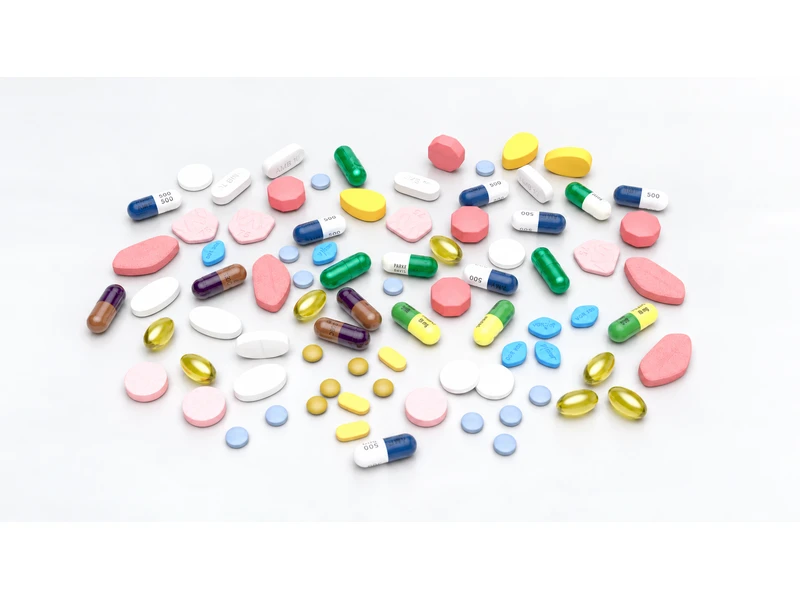
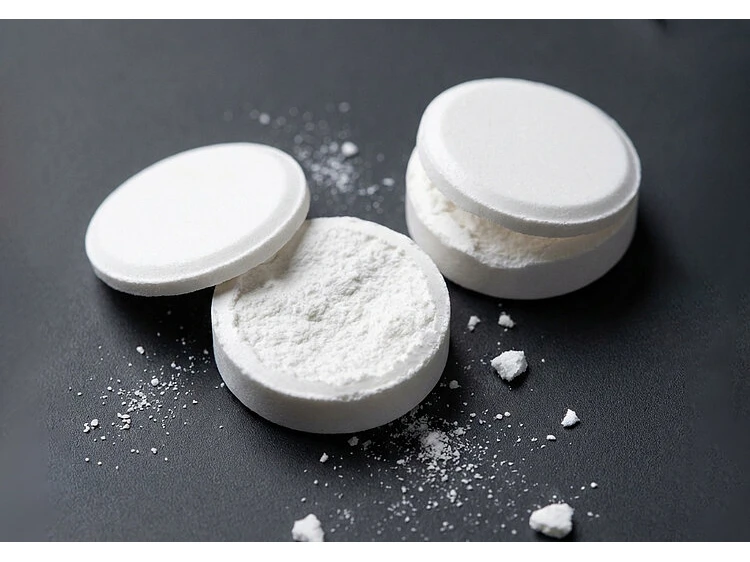
Tablets, hard capsules and softgels shown in several shapes and sizes
Process context · Tablets, hard capsules and softgels shown in several shapes and sizes

Disintegration Tester

Controlled movement and a defined physical endpoint

Observe the breakdown of individual dosage units

Basket geometry, motion, medium and temperature create the test conditions. The endpoint is interpreted according to the applicable product method, which may also specify discs or other accessories. Manual observation and automated detection must address that same endpoint; an automated signal requires a demonstrated relationship to the physical event being assessed.

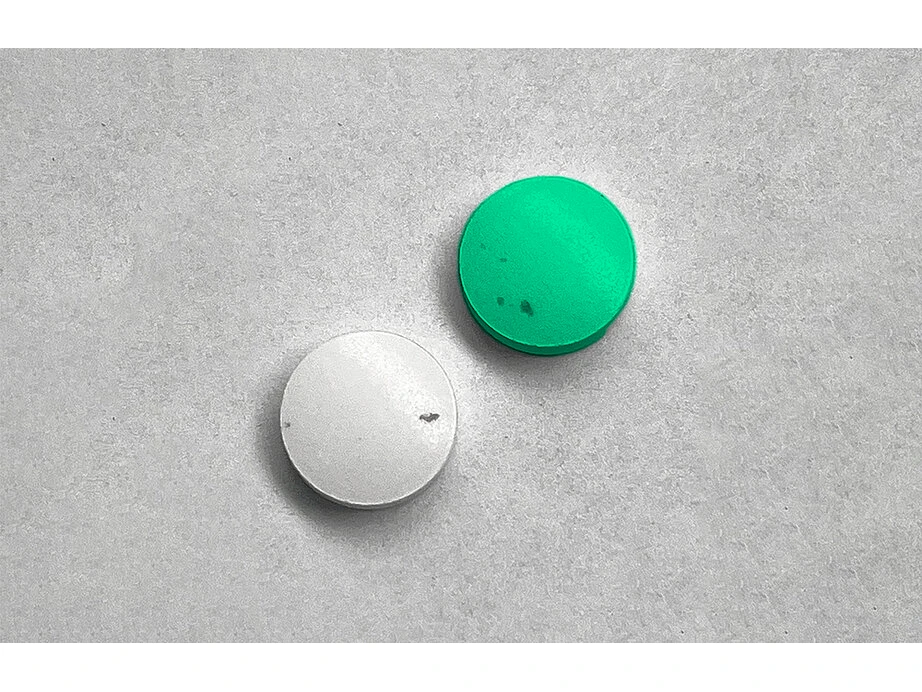
Two round tablets with different surface finishes
Process context · Two round tablets with different surface finishes

Define the disintegration test

Medium, motion and endpoint together define what the result means.

Medium

Specified liquid and temperature condition

Motion

Method-defined basket movement

Endpoint

Physical observation for each dosage unit

Process challenges

Endpoint interpretation: distinguish a softened or fragmented unit from the endpoint specified in the method. Record observations for individual positions.

Read details

Endpoint interpretation: distinguish a softened or fragmented unit from the endpoint specified in the method. Record observations for individual positions.

Temperature: measure the test environment at the required location and time. A displayed bath setpoint is not by itself the sample-medium temperature.

Apparatus: basket dimensions, stroke and frequency affect the applied motion and must be verified against the selected method.

Cleaning: material retained on screens or discs can alter later tests. Examine these parts between samples.

Compatibility: the vessel, basket, screen and any detector must tolerate the medium and cleaning procedure.

Records: sample identity, conditions, timing and observations must remain attributable and reviewable, whether recorded electronically or on controlled paper.

Laboratory workload: independent stations can support different runs only if timing and conditions remain unambiguous for each station.

Installation: provide a stable support, safe lifting clearance and accessible heating and liquid connections.

Test consideration How to address it
Physical endpoint Use the product-method definition and record ambiguous observations.
Medium temperature Verify the actual test condition with a suitable independent measurement.
Apparatus geometry and motion Compare the supplied assembly and measured movement with the required method.
Residue control Inspect screens and discs and use a suitable cleaning procedure.
Medium compatibility Check materials and detector suitability for the intended liquids.
Result traceability Link sample, method, station, time and observations in a controlled record.
Parallel workload Identify each station and its individual run conditions.
End-of-run handling Define when samples leave the medium and how the endpoint is recorded.
Installation stability Use the required support, clearances and safe liquid-handling arrangement.

Technical data & features

Select the test configuration, temperature and observation criteria from the applicable product method.

Two round tablets with different surface finishes
Basket and drive configuration Choose the basket assembly for the dosage-unit dimensions and the applicable test method. Heating control should maintain the required medium condition and allow independent temperature verification. Stroke and frequency determine the repeated mechanical exposure; inspect drive movement and verify the settings. The timer and run-start event must be clearly defined so observations can be related to elapsed test time.

Bath or vessel access should allow cleaning and inspection without disturbing the mechanical setup.

The operator interface should distinguish the selected method, running station and elapsed time.

Reporting and laboratory connections are selected for the actual record workflow. Observation and workload configuration

Independent drives, where provided, allow separate run control; identify each station in the result record.

Basket size and test-position arrangement follow the chosen method and dosage-unit geometry.

Verify medium temperature and basket movement under the loaded test conditions.

Choose a timing range and readout appropriate to the product method.

A lifting function can help separate samples from the medium at a defined point; its timing and effect on the endpoint must be understood.

Removable screens, discs and basket parts should return to a reproducible assembly after cleaning. Preheating, sample loading and observation access affect the repeatability of the test sequence. Bench space must include the movement envelope and access for vessels and baskets. Method records and upkeep Specify the basket, stroke and bath temperature required by the site's disintegration method. Qualification scope should identify mechanical checks, temperature verification, timing and the records supplied for the selected instrument.

Follow the specified bath maintenance and cleaning procedure; additives must not contaminate the sample medium.

How it works

How should the apparatus be prepared for a run?

Select the required basket and accessories, inspect the screen and establish the medium condition. Verify that the basket moves freely before loading the identified samples.

How should an uncertain endpoint be handled?

Use the product method and the laboratory procedure to distinguish allowable residue from an incomplete endpoint. Record what was observed instead of replacing an uncertain observation with an assumed pass.

How is automated detection evaluated?

Compare detector outcomes with the defined physical endpoint using representative products, including difficult residue or capsule conditions. Establish how missed or ambiguous detections are reviewed.

Line integration

From laboratory sample to recorded outcome

Place the instrument on a stable laboratory bench with the required vessel, basket and service access. Automated handling, data export, network printing and connections to other laboratory systems are separately selected interfaces that require configuration review and verification.

Read more

Receive a representative, identified sample in the laboratory and select the controlled product method.

Prepare the medium and apparatus, establish temperature and load the specified dosage units.

Run the prescribed motion and record individual observations or validated detector outputs against elapsed time.

Review outcomes with the method, sample identity and any deviations. Data transfer, if used, must preserve those relationships.

After the run, remove residues and inspect screens, discs and moving assemblies before reuse.

For parallel testing, retain separate station identities and start times rather than assuming every vessel experienced identical conditions.

Support throughout your project and production

Define the equipment scope

Select the test configuration, temperature and observation criteria from the applicable product method.

Learn more

Agree the acceptance test

Record individual outcomes and the sample identity so atypical units can be investigated.

Learn more

Prepare for operation

Identify the contact parts and format tooling for Disintegration Tester. Agree access for cleaning, the spares to hold and the operating records the site will need.

Learn more

Knowledge hub

2 resources

Frequently asked questions

Does a disintegration result establish dissolution?

No. Disintegration concerns physical breakdown; dissolution quantifies drug release into a medium over time. One result does not replace the other.

Can tablets and capsules use the same basket?

Only where the applicable methods and unit dimensions permit it. Basket type, discs and accessories are selected for the dosage form and method.

Is automated endpoint detection always preferable?

It can reduce observation workload, but its signal must represent the required endpoint for the tested product. Difficult products may need an agreed review or observation procedure.

Is compliance established by a product brochure?

No. Assess the supplied apparatus, applicable method and laboratory verification records. Software and data handling require their own review.

Contact

Share the dosage form, unit dimensions, applicable test method and required observation or reporting workflow for a configuration review.

Discuss your project →
Two round tablets with different surface finishes