Read details

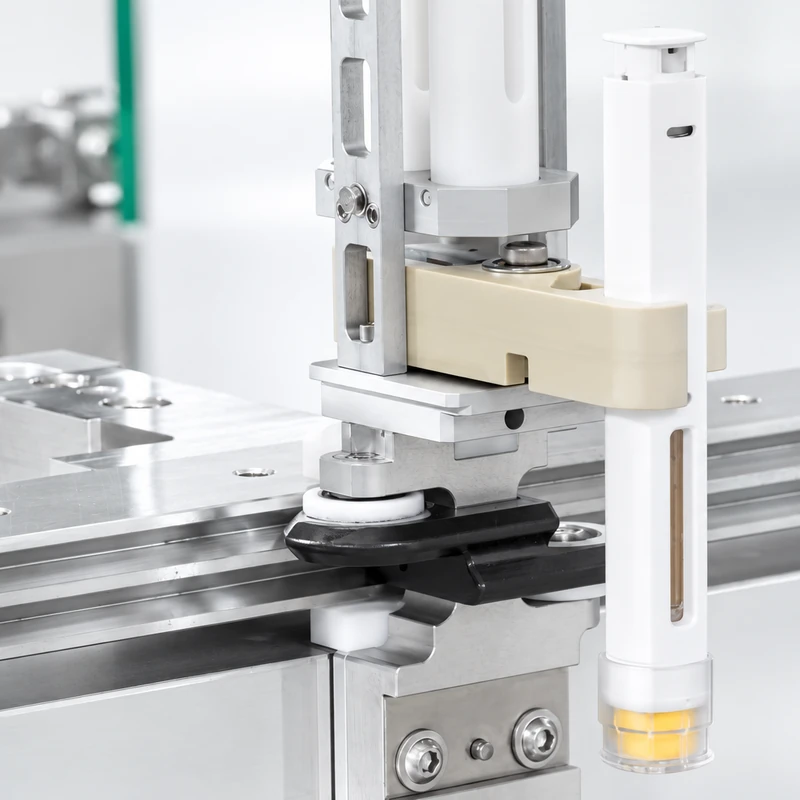
Joint engagement is assessed through the signals and final features relevant to that joint. A force trace is one source of evidence, not a universal defect detector.
Insertion depth and joining resistance describe different properties. The acceptance strategy connects them to the approved component relationship.
A loaded mechanism, an actuated device and a damaged unit can require different reject handling. The actual states determine the guarded recovery arrangement.
Orientation is established by component presentation, tooling and the relevant checks before irreversible joining.
Joining limits are based on the actual joint, tolerances and allowed component response. Changes in these inputs may change the measured signature.
Higher-output handling changes timing, feeding and recovery. Development assembly findings must be assessed in the proposed production sequence.
Component revision and station results remain associated with the assembled device, including its reject or rework history.