Skip to content

Process expertise. Chinese manufacturing. Global perspective.

PREASYS

Equipment & technology

ATMP Isolator

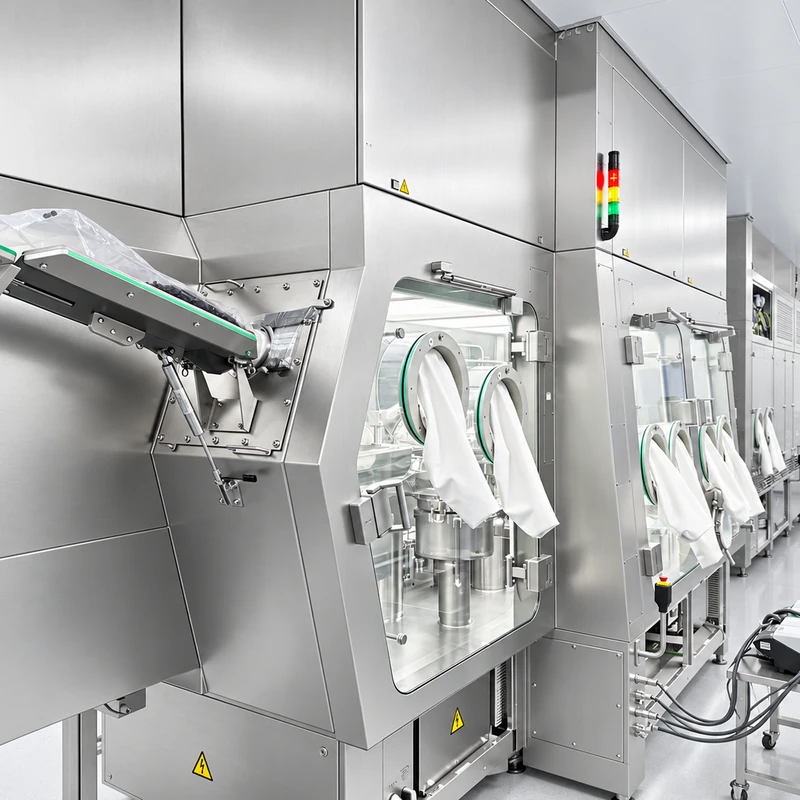
An ATMP isolator is configured around the open manipulations and transfers required by a specific cell or gene therapy process. Workstation layout, material handling and records must preserve the batch or patient identity while supporting the product’s time, temperature and contamination-control requirements.

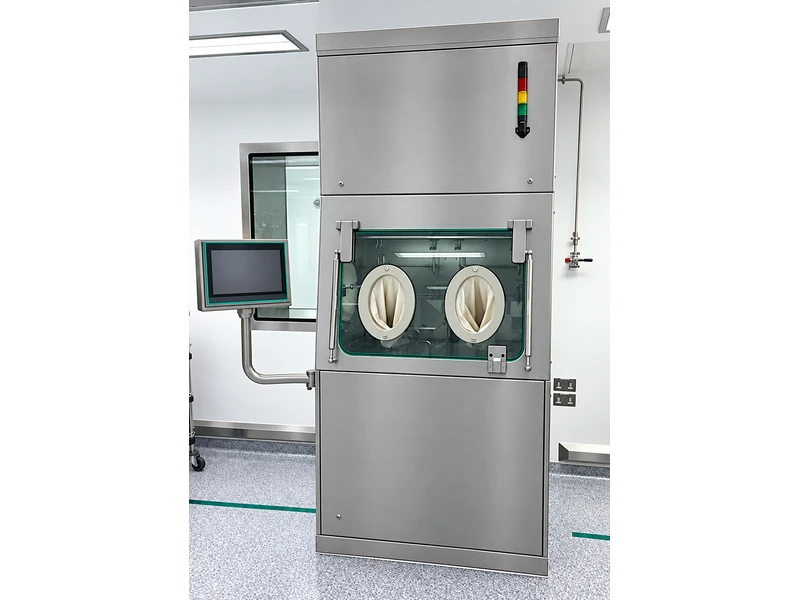
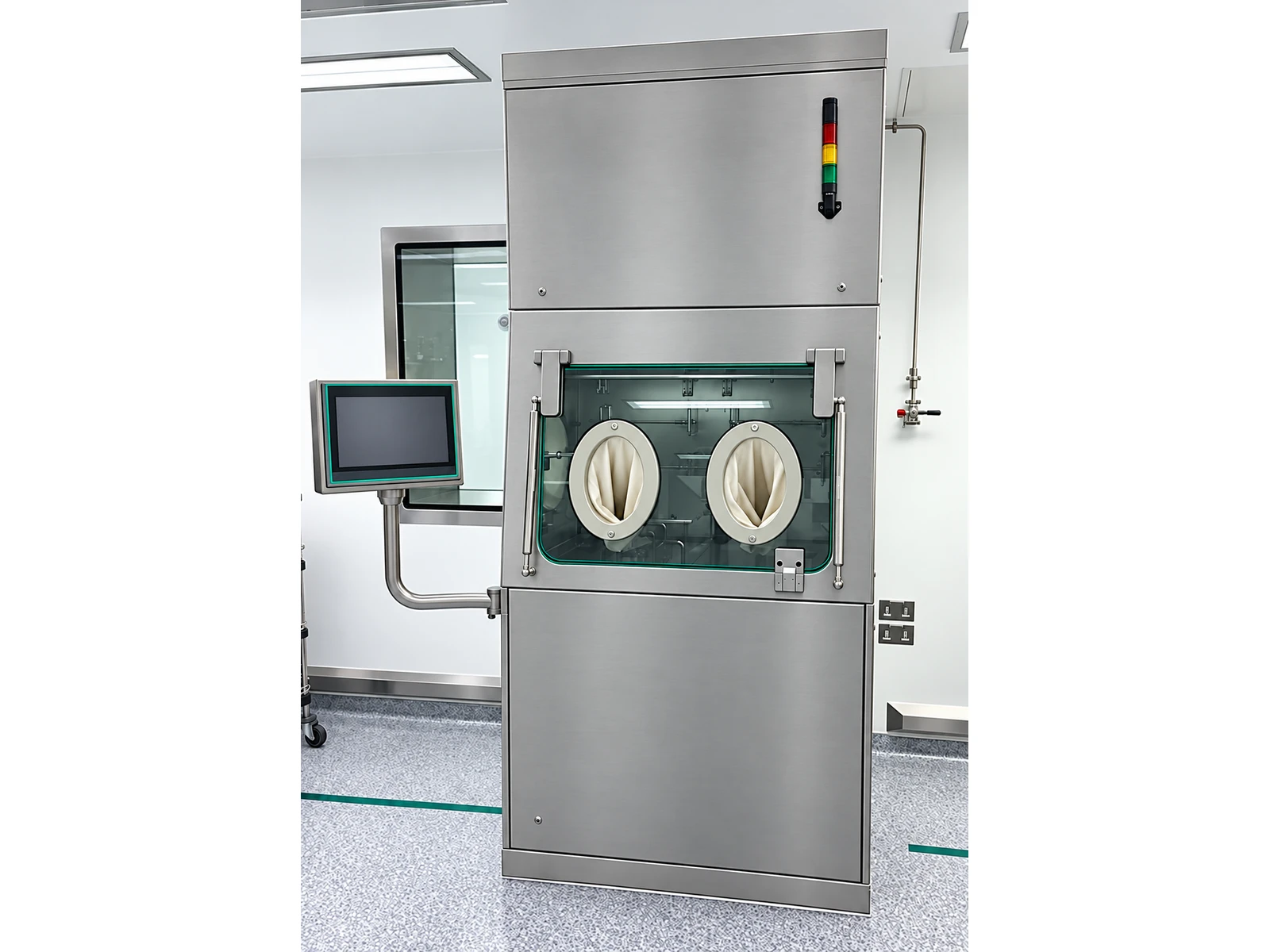
Glove-port cabinet with an operator panel and transfer chamber

ATMP Isolator

A controlled workspace for therapy-specific operations

The relevant boundary may surround an open connection, sampling, formulation or filling step within an otherwise closed process. It does not automatically include culture, centrifugation or every upstream operation. Equipment access, closed-component connections and transfer routes must fit the actual sequence. For living-cell processes, delay, shear, temperature and decontaminant residue may affect product quality as well as the cleanliness of the workspace.

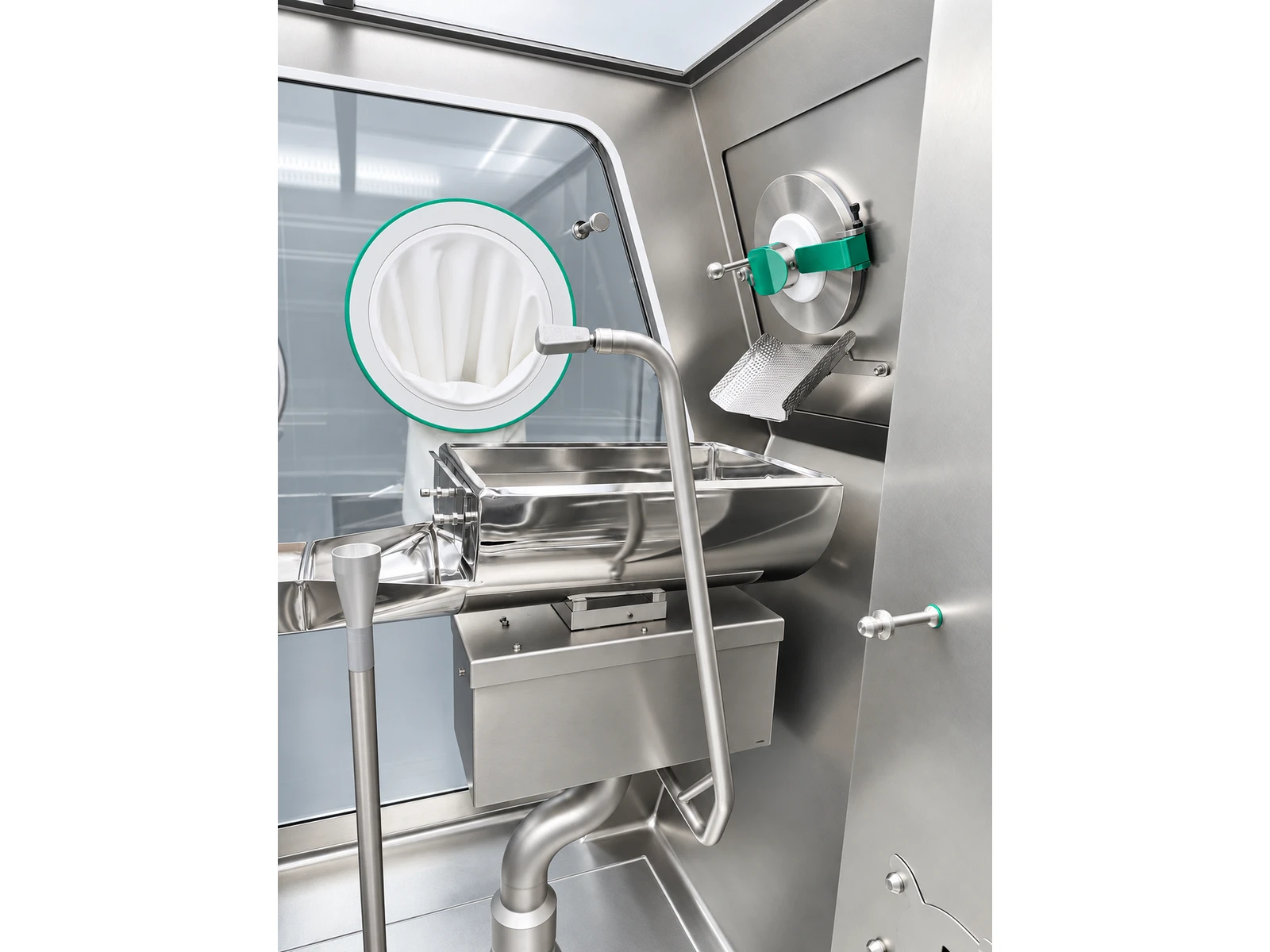
Circular transfer port in the interior wall of an isolator

Design around the therapy process

Protect the exposed operation and preserve identity through its material transfers.

Open steps

Task-specific access and product conditions

Batch identity

Traceable materials, connections and handoffs

Process challenges

Identity and segregation: distinguish materials, components and records for each batch or patient throughout loading, manipulation and transfer.

Read details

Identity and segregation: distinguish materials, components and records for each batch or patient throughout loading, manipulation and transfer.

Product sensitivity: evaluate decontaminant residue and material compatibility before exposing cells or sensitive process materials.

Time and batch scale: layout should suit the actual number of manipulations and permitted hold times, rather than an assumed universal ATMP batch size.

Changeover: separate campaigns or batches through a defined cleaning, line-clearance and material-identification procedure.

Technical data & features

Start with the manipulation sequence, transfer containers and instruments that must fit inside the working envelope.

Circular transfer port in the interior wall of an isolator
Technical data & features · Parameter comparison
Design question Open-operation requirements Transfer and identity requirements
Workspace Provide access and reach for the actual manipulations. Allow clear segregation and identification of incoming and outgoing material.
Controlled environment Define conditions around exposed product. Maintain the assessed boundary during connection and transfer.
Facility interface Coordinate the workspace with the surrounding contamination-control strategy. Define movement of personnel, consumables and waste.
Decontamination Demonstrate a compatible treatment and residue profile before sensitive operations. Assess material entry and outgoing surface treatment separately.
Glove access Evaluate representative tasks, visibility and tools in the proposed layout. Avoid crossing or confusing materials from different identities.
Product conditions Respect operation-specific temperature and hold-time limits. Preserve storage conditions during receipt and handoff.
Process scope Identify sampling, formulation, filling or other included open steps. List upstream and downstream operations that remain outside the isolator.
Connections Select compatible closed or open connection methods. Record the component and batch identities at each connection.
Monitoring Measure the parameters relevant to the operation and product. Link alarms and interventions to the correct batch record.

How it works

How is the isolator scope defined for a therapy process?

Map the complete sequence and identify where material is actually exposed. Separate those manipulations from closed operations, then define the tools, access and transfers needed inside the barrier.

How should residue and cell sensitivity be evaluated?

Identify the exposed materials and the decontamination method, then establish suitable residue and compatibility studies. A microbiologically effective cycle is not automatically compatible with a living-cell process.

How is identity preserved through manual work?

Use a defined material layout and identification checks at receipt, connection, processing and handoff. Record interventions and prevent mixing of components or records from different batches or patients.

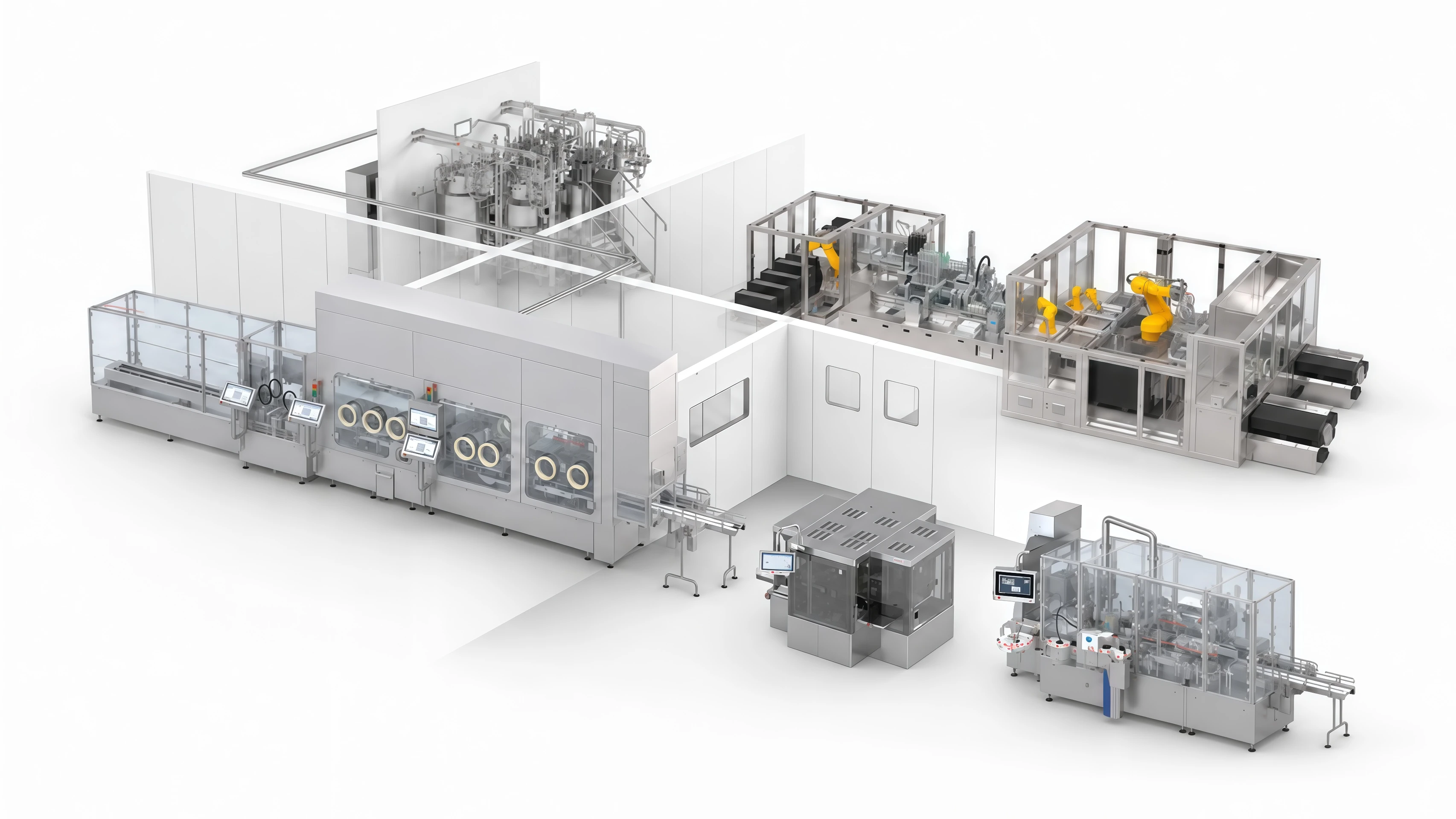
Advanced therapies · RTU fill–finish. This example covers the ready-to-use primary-container route for an applicable therapy. Cell processing, expansion and cold-chain operations are not shown. The line provides process context; the individual product is not identified as a separate station in this view.

Production line · Equipment context

Advanced therapies · RTU fill–finish

Explore the process areas on the production line associated with this equipment.

Skip tour
Production layout 7 equipment areas · Scroll to explore

This example covers the ready-to-use primary-container route for an applicable therapy. Cell processing, expansion and cold-chain operations are not shown. The line provides process context; the individual product is not identified as a separate station in this view.

Related production lines: Advanced Therapy Manufacturing Equipment

Line integration

Interfaces along the therapy process

Incoming material: receive identified cells, vectors, intermediates or components through the assessed transfer route, preserving required storage and hold conditions.

Outgoing material: transfer the processed intermediate or final container to its specified next stage, such as filling, controlled storage or QC sampling. Incubators, centrifuges and cryopreservation are included only where the actual process requires and the project scope provides them.

Records should link material identity, operation time, relevant environmental conditions, interventions and transfer events to the correct batch or patient.

Support throughout your project and production

Define the equipment scope

Start with the manipulation sequence, transfer containers and instruments that must fit inside the working envelope.

Learn more

Agree the acceptance test

Walk through a representative batch and changeover to identify reach, storage and waste-removal constraints.

Learn more

Prepare for operation

Identify the contact parts and format tooling for ATMP Isolator. Agree access for cleaning, the spares to hold and the operating records the site will need.

Learn more

Knowledge hub

2 resources

Frequently asked questions

Is an ATMP isolator a sterility-testing isolator?

No. ATMP manufacturing supports the therapy’s processing operations. QC sterility testing follows a sample-test workflow with different equipment, materials and acceptance needs.

Does the isolator include cell expansion and every upstream step?

Not automatically. Culture, centrifugation, formulation and filling are included only when required by the process and specified in the supplied system.

Does a closed process always need the same barrier arrangement?

No. The design depends on where connections, sampling or other exposure can occur and on the process risk assessment. Define the actual open steps before selecting the workspace.

Can a decontamination cycle be transferred from another product?

Not without assessing the new load, materials and product sensitivity. Residue, uptake and operational timing may differ substantially between therapy processes.

Contact

For a configuration review, include container drawing, product-contact materials, intended dose, closure format, batch size.

Discuss your project
Circular transfer port in the interior wall of an isolator