Access for service
Review space for inspection, adjustment, cleaning and replacement without overlooking surrounding equipment or room constraints.
Process expertise. Chinese manufacturing. Global perspective.

Equipment lifecycle
Consider maintenance, adaptation and resource use alongside the first production requirement.
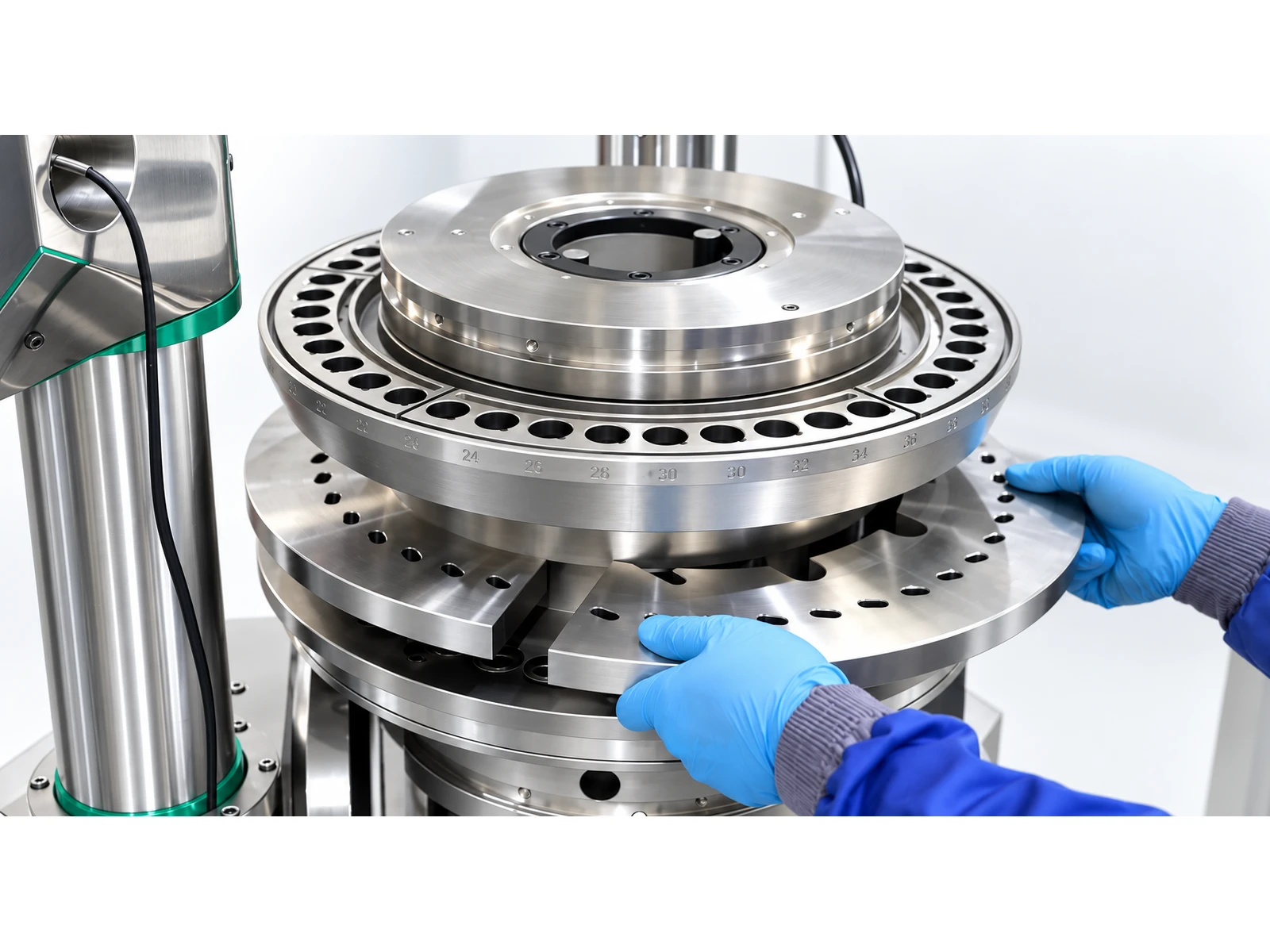
An equipment project makes choices that affect years of operation: how parts are reached, how a product path is cleaned, which components can be replaced and how the system can be adapted.
PREASYS considers those choices alongside the initial production requirement. Our lifecycle approach connects the equipment configuration with maintenance, documentation, parts and the support needed to keep it useful.

Maintain: Identify recurring tasks, access constraints, component records and spare-parts needs. The review starts with the way the equipment is actually used.
Adapt: Define the new product, format or operating requirement. Check the existing design, connected equipment and evidence needed to assess an upgrade.
Compare: Record the current operating duty and measurement boundary before comparing resource use or evaluating replacement options.
Review space for inspection, adjustment, cleaning and replacement without overlooking surrounding equipment or room constraints.
Keep the installed component information and parts list aligned with the delivered configuration.
Provide the agreed operating and maintenance information in a form that supports the people responsible for the equipment.
Identify routine tasks, specialist interventions and the parts that should be considered in the maintenance plan.
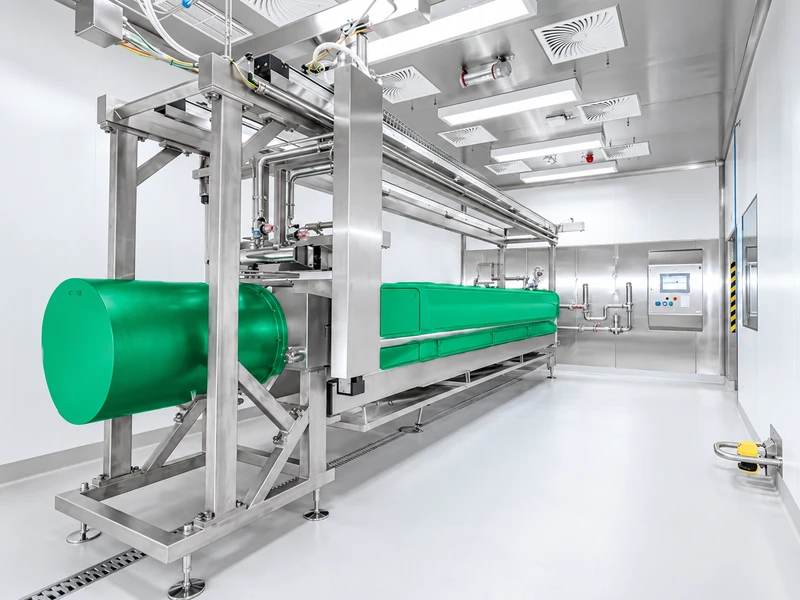
New products, pack formats or control requirements do not always call for a completely new line. An upgrade review starts with the existing equipment condition, documentation and the limits of its design.
We consider the proposed change, the effect on connected equipment and the work required for testing and qualification. Retrofitting or relocation is an option to assess, not an assumption that every machine can be economically adapted.
A useful comparison states what the equipment is doing and what is included in the measurement.
Improvement claims should be supported by measurements from comparable conditions. We do not publish a general percentage saving that would apply to every product, site or operating pattern.
Product and material: Where do start-up, changeover, sampling and residual quantities occur? Which losses are measured and under what conditions?
Water and cleaning: What is cleaned, how often, with which procedure, and which utilities are included in the cycle?
Energy and services: Are heating, cooling, compressed air and auxiliary systems included? What production duty is used for the comparison?
Packaging and transport: Can shipments or protective packaging be coordinated without compromising equipment preservation and installation needs?
Use the same basis for each option, then record where the conditions differ.
The operating cycle: Include production, waiting, cleaning and changeover activities relevant to the comparison.
The system boundary: Identify the auxiliary services, upstream work and downstream work included in the assessment.
The evidence: Separate measurements, supplier estimates and assumptions, and record the conditions behind each figure.
Operator access, handling tasks and maintenance work are part of the equipment review. Containment and isolation choices are considered against the product hazards and the intended operation.
The continuing support model includes training, spare parts, technical assistance and consideration of future changes. Its purpose is to help customers maintain equipment capability as their production requirements develop.